
Last updated November 14, 2026
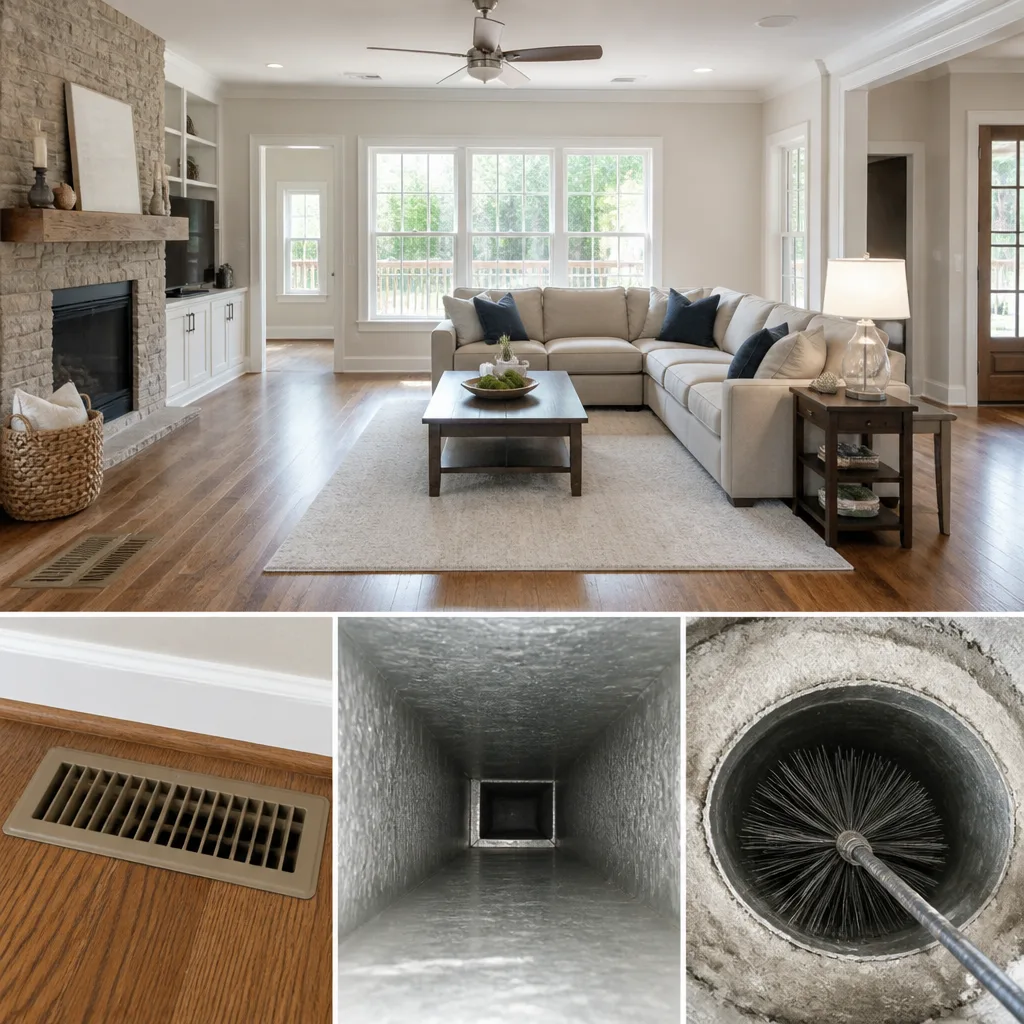 Whole-home duct cleaning
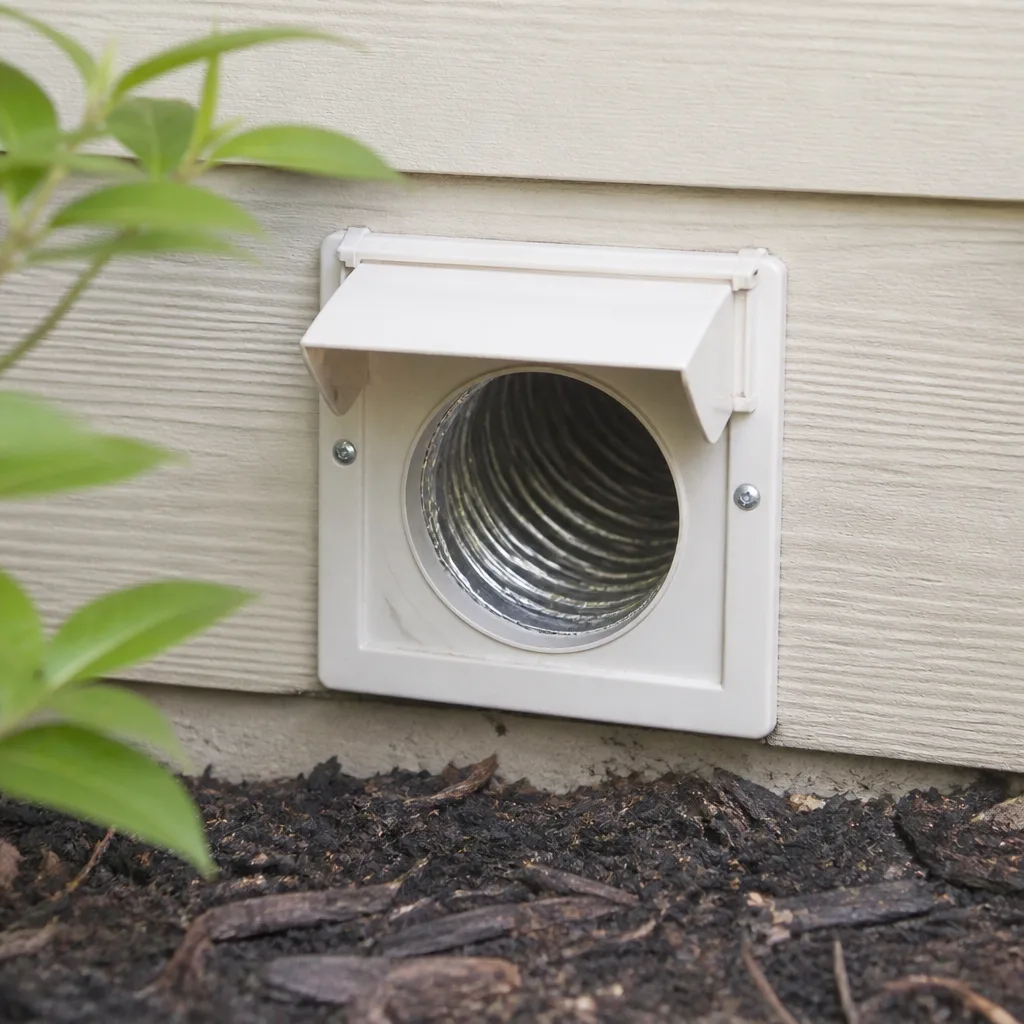 Dryer vent cleaning
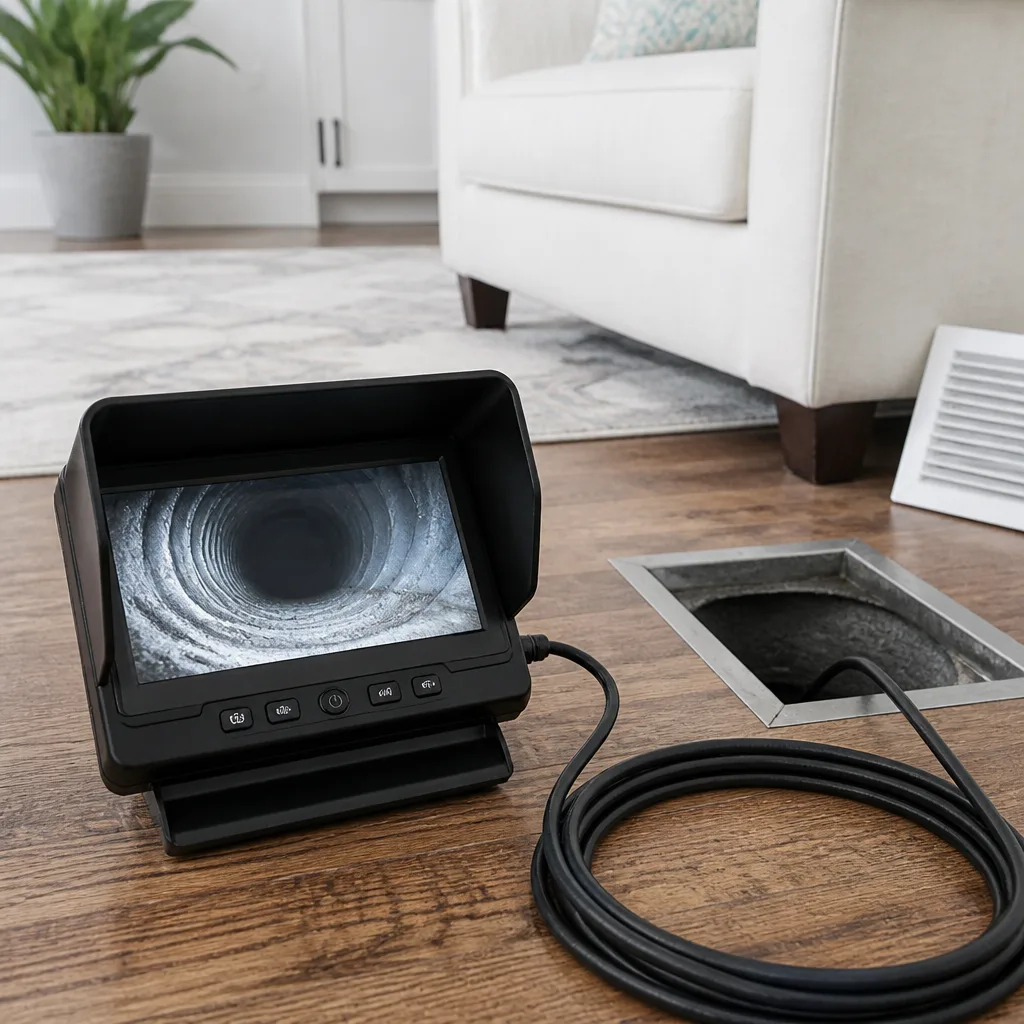 Camera inspection
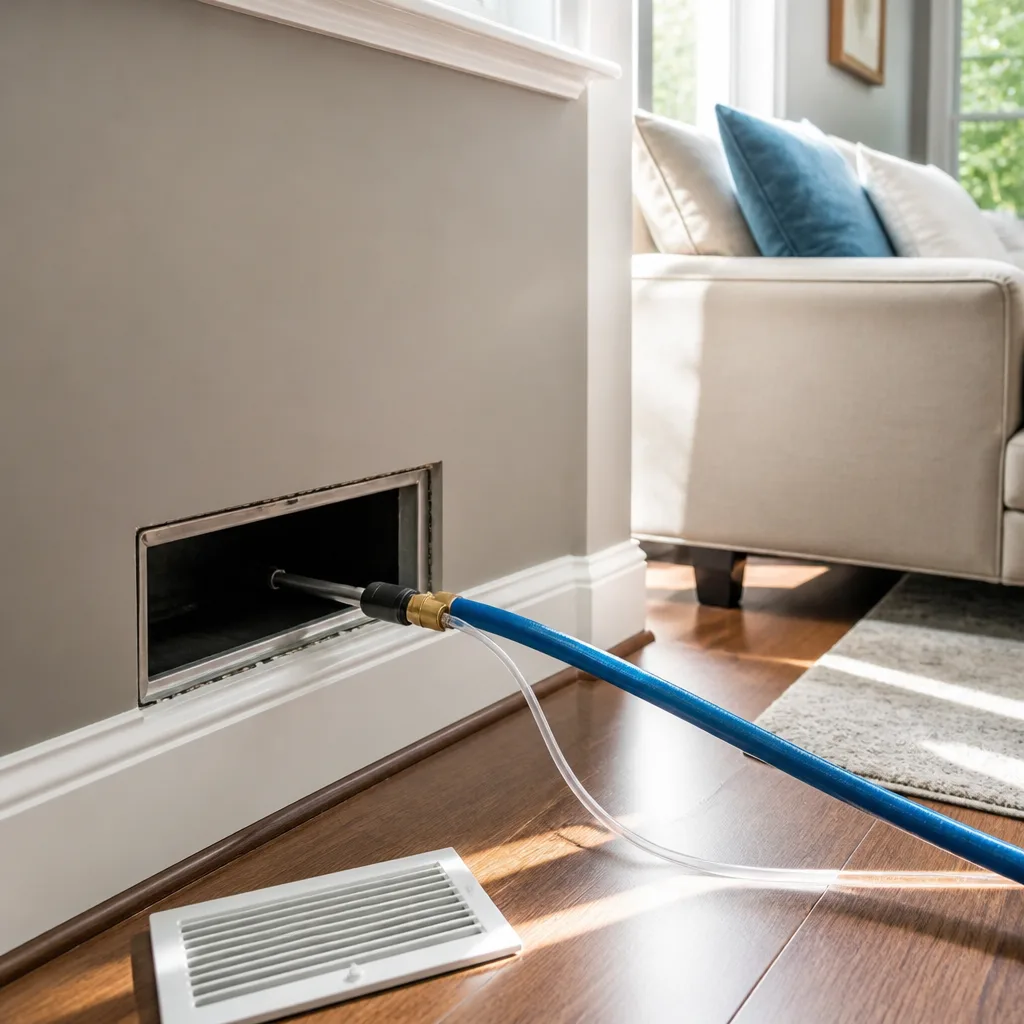 Sanitizing & deodorizing
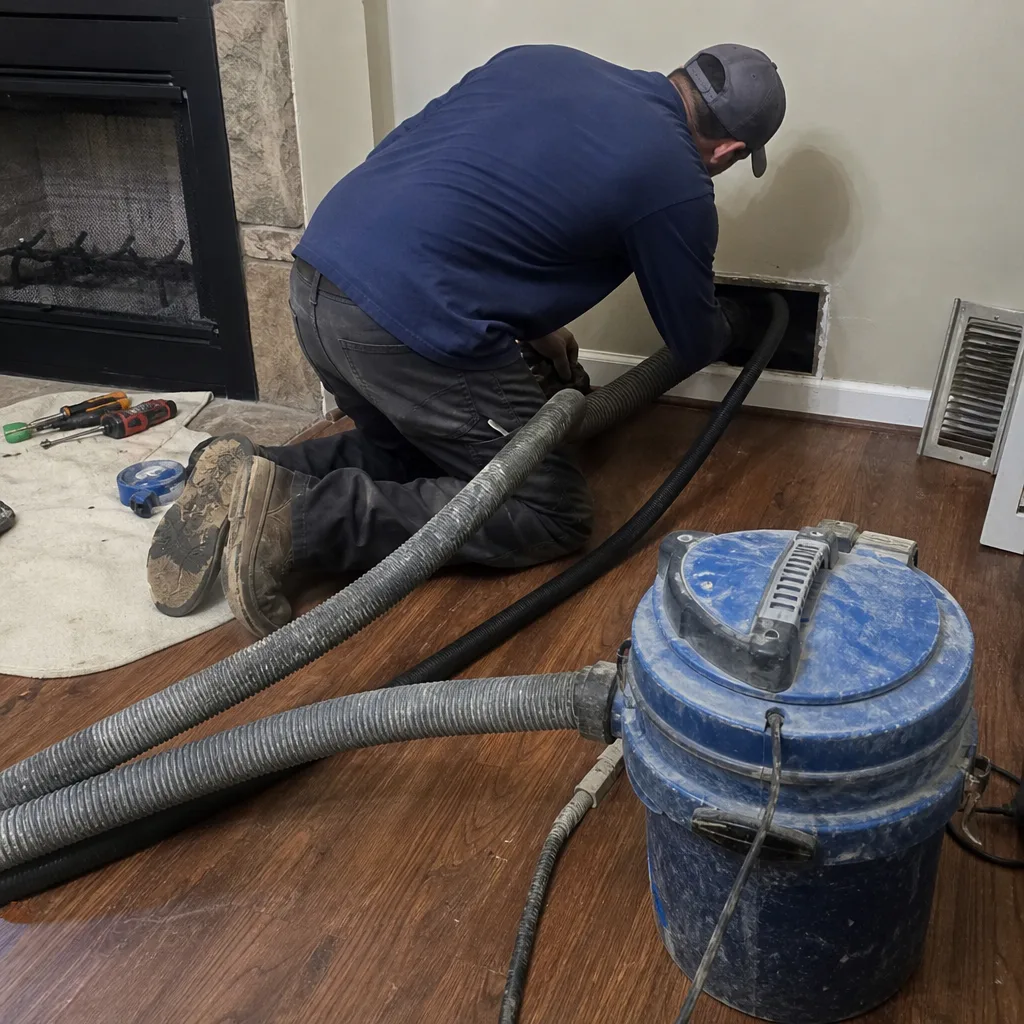
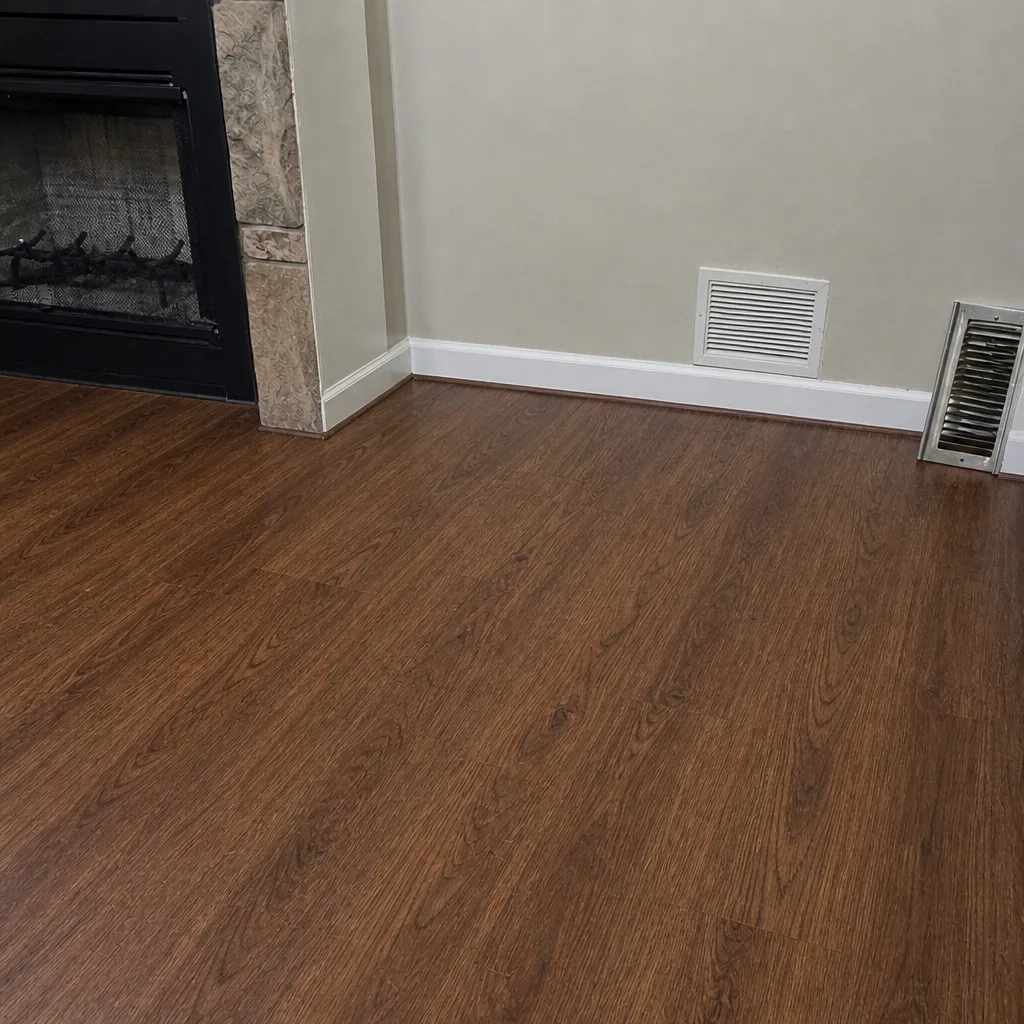
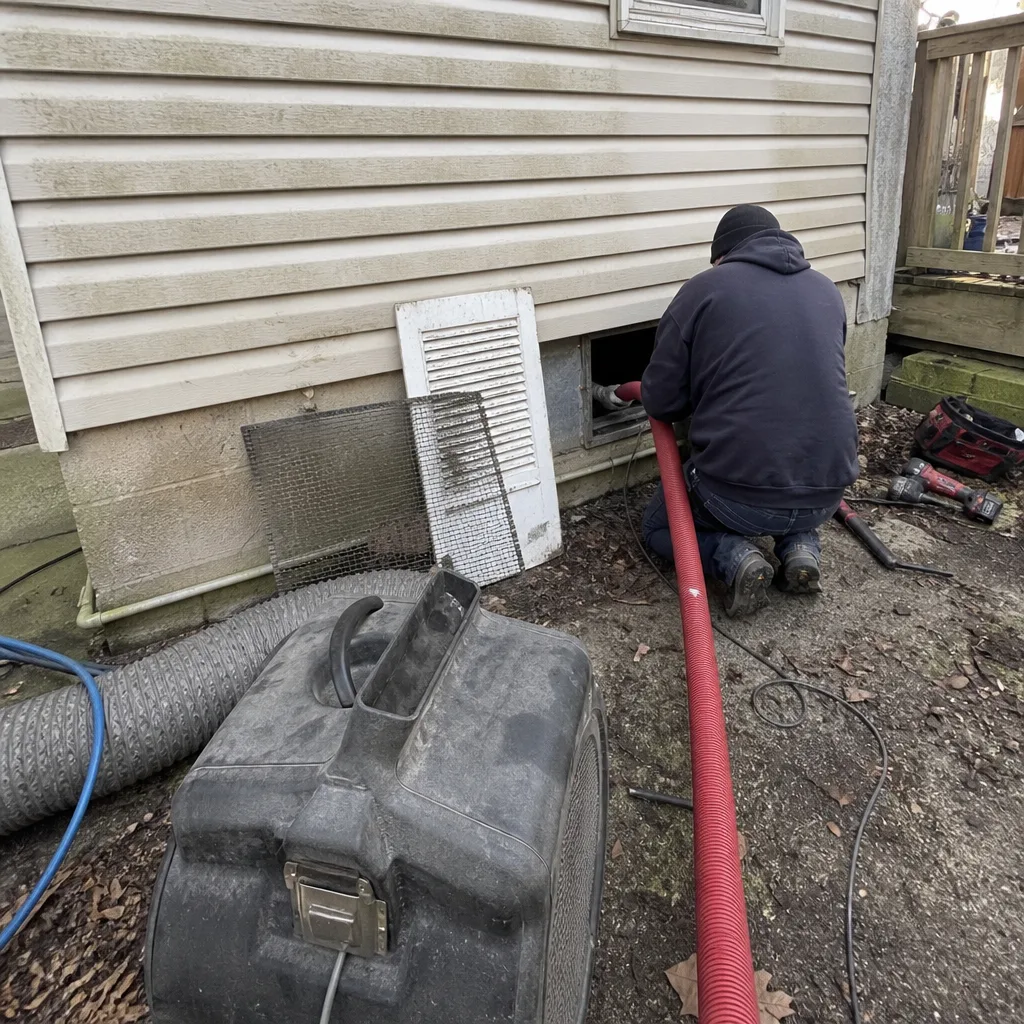
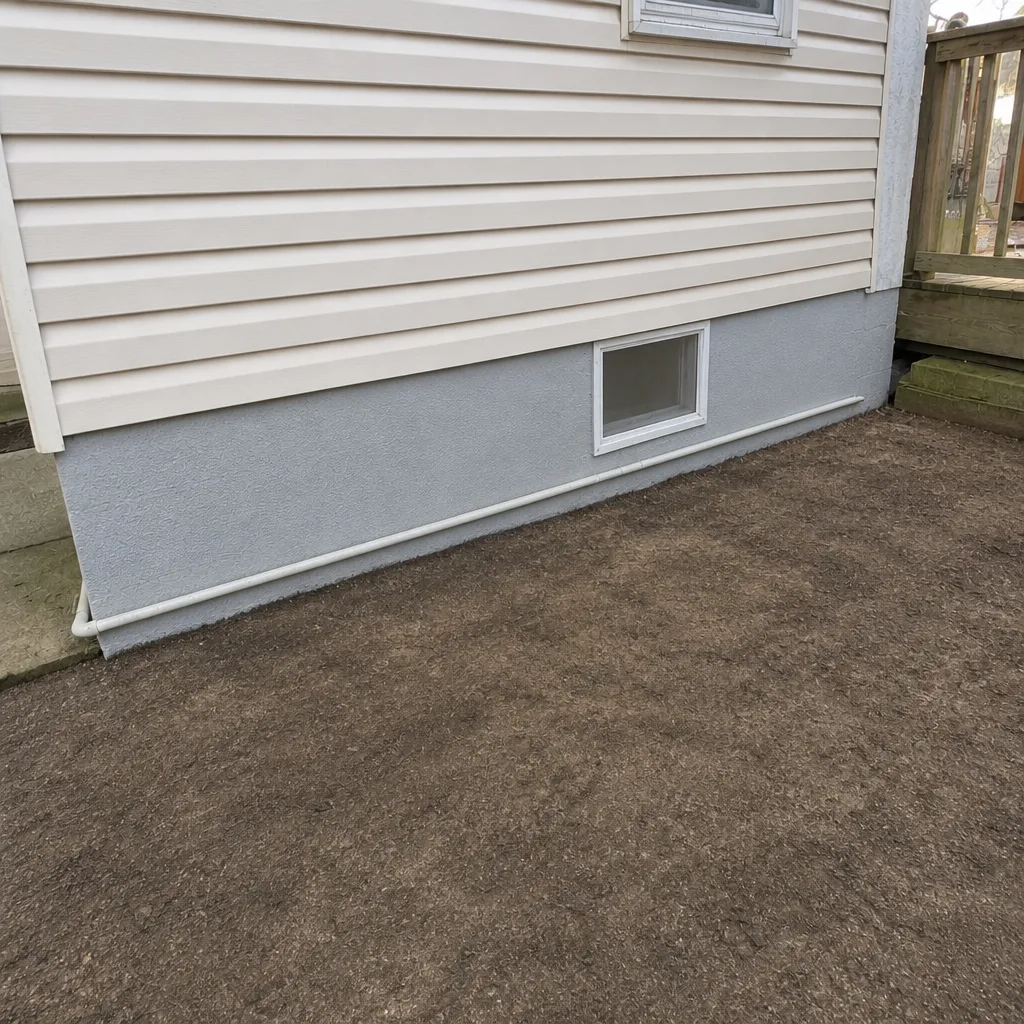
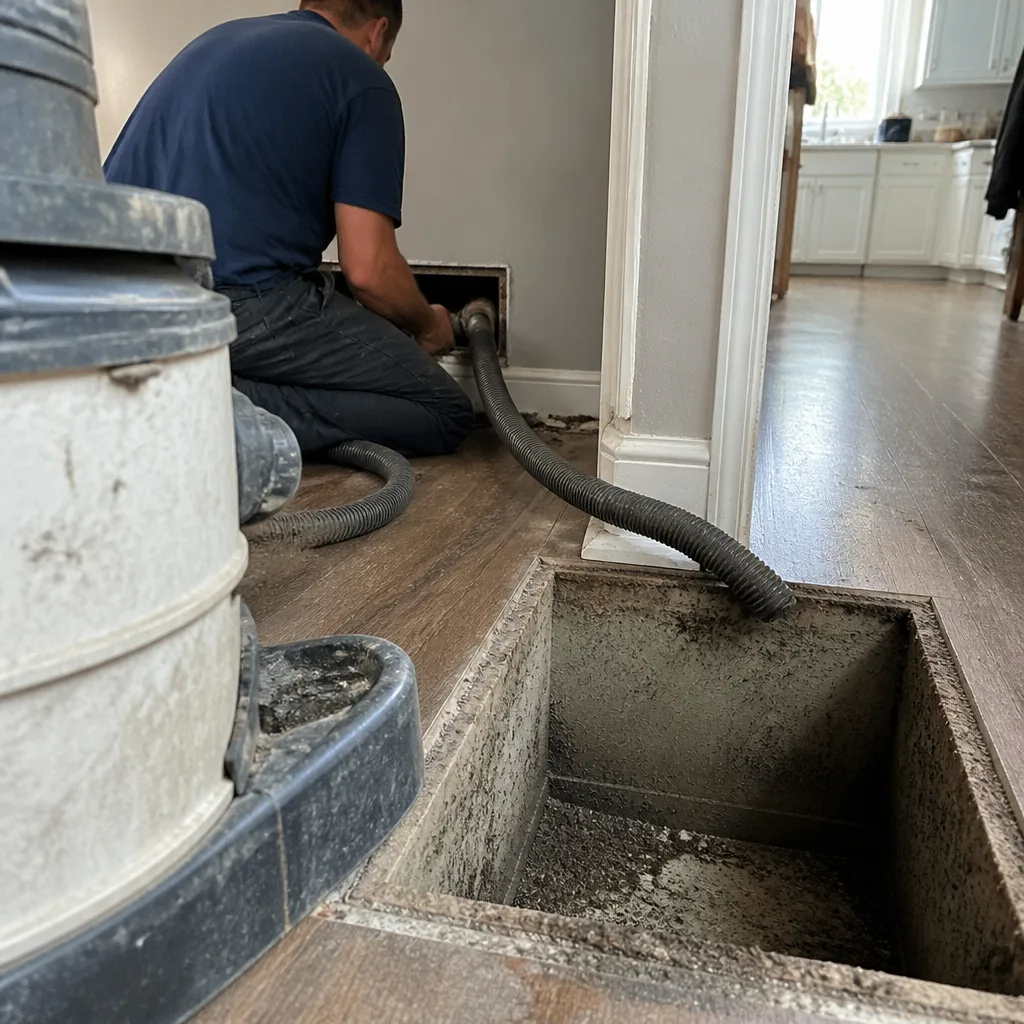
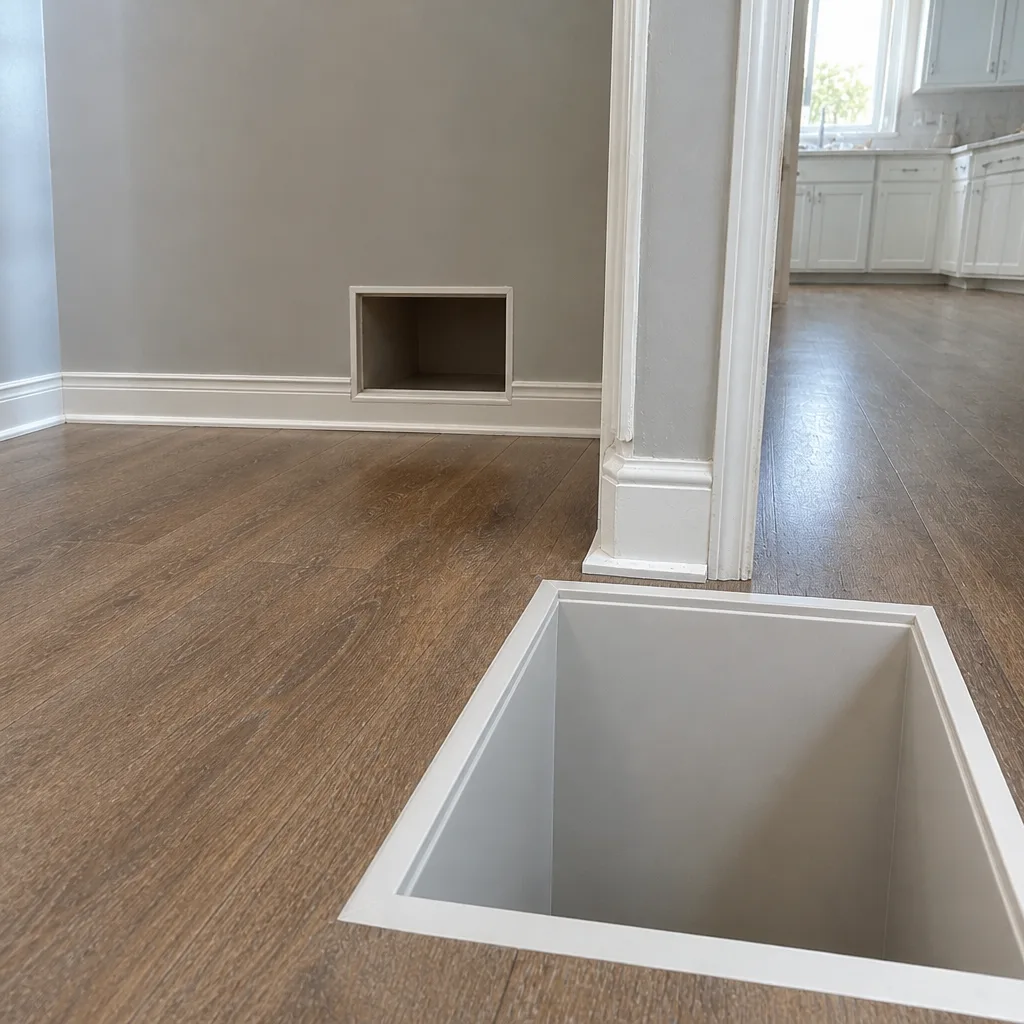
Whole-system duct and dryer vent check with before-and-after photos - you see exactly what came out of your vents
That "$99 whole-house special" is a bait ad - the real number appears once they are in your hallway, or the "clean" is a shop-vac at the register. We photograph the inside of your ducts before and after instead.
Air Duct Cleaning Warning Signs: A Louisville Homeowner’s Reference Guide
If one room in your Louisville home is always warmer in summer and colder in winter than the rest of the house, that’s not a thermostat problem. It’s almost always a ductwork problem, and cleaning or repair can fix what no amount of thermostat adjustments will. That’s the part most homeowners miss: the obvious complaint (a stubborn room, a higher bill, a dust film on the coffee table) is rarely the actual problem. It’s diagnostic data pointing at the ductwork behind the wall. This guide walks you through the signs worth acting on, the ones worth watching, and how to tell the difference, written for the specific climate, housing stock, and air systems we see across Louisville.
Styles & brands we work with
- Whole-home duct cleaning
- Dryer vent cleaning
- Camera inspection
- Sanitizing & deodorizing
Quick Answer
Air duct cleaning is overdue in a Louisville home when you see any of these: visible dust or debris puffing from supply registers, a consistent dust film returning days after cleaning, one room that never matches the rest of the house, allergy symptoms that flare whenever the HVAC runs, or a musty smell at the vents. Those five signs mean schedule a cleaning. Rattling, whistling, mold-like odors, or air blowing from a disconnected joint mean call today, because you likely have a duct repair issue on top of the contamination.
Table of Contents
- The Five Signs You Can See at Your Registers and Return Vents
- Reading Your Utility Bill as Duct Leakage Data
- Health Patterns: When Symptoms Track HVAC Runtime
- Sounds and Smells That Mean Repair, Not Just Cleaning
- Clean Soon vs. Call Today: A Severity Triage Framework
- Why Louisville Homes Show These Signs Earlier Than Most
- Cleaning vs. Repair: Which Service You Actually Need
- Common Mistakes to Avoid
- When to Call a Professional
- Frequently Asked Questions
The Five Signs You Can See at Your Registers and Return Vents
You don’t need a camera or a moisture meter to catch the earliest warning signs. Most of what matters shows up at the supply registers and the return vent, the two places where the system talks to the room. Here’s what each sign actually looks like and what it means.
- Dark striping on the register face or the wall around it. A soft gray or black haze traces where the air leaves the vent. That’s fine particulate settling as air passes over time. If you can wipe it off today and see it again in two weeks, the system is moving debris that didn’t come from the room.
- Dust puffing out when the system kicks on. Watch a register as the air handler starts. A visible cloud means the supply trunk or the run feeding that vent carries loose debris. Cleaner air systems produce a steady flow, not a puff.
- Uneven dust distribution. Counters and shelves near one room collect more dust than the rest of the house. This usually tracks back to one clogged or disconnected branch rather than a whole-house problem, which is exactly the kind of localized issue air duct cleaning is designed to find.
- A dusty return grille with visible buildup on the fins. The return pulls more air than any single supply, so it accumulates faster. Thick matting on the grille and the filter frame shows the system has been working with restricted airflow for a while.
- Discolored or fuzzy edges around the vent opening. A soft gray or green-black growth ring at the joint between the register and drywall is a moisture signal. It means condensation has been forming there, and contamination may have started deeper in the run.
Any one of these is worth a look. Three or more together, especially if the house has been through a renovation or a system change in the last few years, and you have a strong case for a professional inspection and cleaning.
Reading Your Utility Bill as Duct Leakage Data
Your monthly bill is the cheapest diagnostic tool you own. When the bill climbs beyond what the season explains, the ductwork is a leading suspect, because a leaking or blocked duct system makes the HVAC work harder to deliver the same result. The trick is reading the trend, not a single month.
Pull the last twelve months of bills and compare them against the same months a year or two earlier, trying to match for how hot the summer ran and how cold the winter ran. If the year-over-year jump outpaces what the weather can reasonably account for, and there’s no new appliance or rate change to explain it, then duct leakage or restriction is high on the list. This is what we mean when we say your air system works harder than you think: the equipment runs the same cycle, but it takes longer and pulls more current to move the same air.
A few patterns are worth flagging:
- A steady increase in summer cooling costs with no change in thermostat habits or equipment age.
- Costs that jump right after a renovation, especially one that added or moved rooms.
- Longer run times at the same temperature setting, even if the bill hasn’t moved dramatically.
None of these proves a duct problem on its own. What they do is move the ductwork up the list of suspects before you spend money on anything else. If you’re going to schedule an inspection anyway, a full Louisville duct cleaning evaluation will confirm whether the trend lines up with what’s happening inside the system.
Health Patterns: When Symptoms Track HVAC Runtime
The most overlooked warning sign isn’t visible at all. If the people in your home notice allergy or respiratory symptoms that flare when the HVAC is running, that pattern is diagnostic data. Contamination that’s sitting inside the ducts gets pushed into living spaces with every cycle, and the body notices what the eye can’t see.
Here’s the pattern to watch. Keep a simple two-week log of when symptoms show up and when the system runs. If the correlation is strong, mornings are worse in rooms near the air handler, or symptoms calm down when you’re away from the house, the ductwork deserves a hard look. This is especially true in homes that recently had a renovation (fine dust from drywall, flooring, and insulation travels into the returns), or homes with pets or a known damp basement.
We can’t diagnose a medical condition, and we don’t try. What we can tell you is what we see in Louisville homes: contamination that produces a symptom pattern like this almost always has visible evidence inside the ductwork once we open it up. If you want to know before you act on it, the right move is an inspection that includes before-and-after photos of what’s actually inside, not a slap on a register and a sales pitch.
Sounds and Smells That Mean Repair, Not Just Cleaning
Cleaning fixes contamination. Repair fixes the structure. Some warning signs tell you it’s a structure problem, and no amount of vacuuming addresses those.
Sounds to listen for:
- A whistle or whoosh at one supply register while others are quiet. Restriction in that branch.
- Rattling or flapping during a cycle. A loose joint, an interior liner coming free, or a dislodged section.
- Banging or a “thunk” at startup and shutdown. Pressure changes in a disconnected or oversized run.
Smells to take seriously:
- A musty or wet-paper odor that’s strongest when the system runs. Moisture in the ducts, and possibly mold-like growth that requires more than a cleaning.
- A sour or animal smell at one register. Pest intrusion deep in a run.
- A dusty, “driver’s side of a dirt road” smell. Heavy settled debris churning into the air.
When sound or smell points to a structural problem, our take is simple: air duct repair is the right first call, not cleaning. Cleaning contaminated air ducts without fixing the separation just re-contaminates the system. If you’re not sure which you’re dealing with, the safe answer is a professional inspection, since the difference is a ten-minute camera check for a trained technician.
Clean Soon vs. Call Today: A Severity Triage Framework
Here’s the framework we use when a homeowner calls and describes a symptom on the phone. Three buckets, four questions.
Bucket 1: Watch
One visible sign, no smell, no sound, no health pattern. Wipe the register, run a filter change, keep a note. Check back in 30 days.
Bucket 2: Schedule cleaning soon
Two or more visible signs, or a steady utility trend with no other explanation, or a symptom pattern that tracks HVAC runtime, or a recent renovation on a system that hasn’t been cleaned since. Book a whole-system cleaning and inspection. The contamination is real and repair is unlikely to be the only issue, but it’s not urgent.
Bucket 3: Call today
- Visible mold-like growth at a register, or an odor that lingers after the system shuts off.
- Air blowing from a joint, a disconnected run, or a whoosh that gets louder over a few days.
- A dryer that’s taking much longer than usual, a lint smell at the laundry, or a hot dryer exterior. That’s a dryer vent cleaning emergency, not a duct one, but the risk is real and the fix is fast.
- Post-renovation dust that hasn’t settled after a week of normal operation, with visible buildup inside the returns.
For practical purposes, use the numbers: one sign, watch. Two or three, schedule. Structural signs, mold-like growth, or dryer-vent symptoms, call today. If you’re on the fence, call and describe what you’re seeing. A quick conversation sorts the buckets faster than a web form.
Why Louisville Homes Show These Signs Earlier Than Most
Four local factors accelerate how soon a Louisville home shows the warning signs above, and they’re worth knowing because they change how aggressive you should be about scheduling.
Humidity swings. Louisville’s summers bring high humidity, and winters dry out the interior fast. That cycle condenses moisture on cold duct surfaces and inside joints, which feeds the dark striping and growth rings that show up at vents. Homes with return ductwork running through unconditioned spaces see this first.
Housing stock. A lot of Louisville’s neighborhoods have homes with original or partially replaced ductwork, plus additions and renovations that extended the system without matching the original design. That produces the single-room temperature problem more reliably than the brand of HVAC equipment does. Homes in the older neighborhoods surrounding downtown and in the established neighborhoods east of the city are especially likely to have a mix of original and retrofit ductwork in the same system.
Pollen and particulate load. Louisville sees heavy spring pollen, and older homes often have leaky returns that pull air from unconditioned spaces. The system becomes an unintended filtration system for the house.
Contractor traffic. Renovations and re-roofs are common across the city, and construction dust is one of the most reliable triggers for contamination in the ducts. If a home has had work done in the last year and the homeowner is seeing signs at the registers, the two are almost always connected.
None of this makes Louisville uniquely bad. It makes the early warning signs show up more predictably here than in many markets, which is good news, because it means you can catch them before they become a system-level problem.
Cleaning vs. Repair: Which Service You Actually Need
Most homeowners assume cleaning is the fix for every duct problem. That’s wrong about half the time. The two services address two different things, and getting the order right saves money.
Cleaning removes contamination: settled debris, construction dust, pollen, animal material, and the fine particulate that’s been circulating for years. It restores airflow and air quality but leaves the structure exactly as it was.
Repair fixes the structure: disconnected runs, crushed or collapsed sections, torn or failed interior liner, poorly joined retrofit ductwork, and pressure problems that show up as uneven temperatures. A system with a real structural issue will re-contaminate quickly after cleaning if the repair isn’t also done.
In our experience, the cleanest outcome comes from diagnosing both at once. That’s why we handle all three services under one call: cleaning, repair, and dryer vent. You don’t get one service and then discover a second specialist is needed after the first one leaves.
Equipment matters as much as diagnosis. A shop vac and a brush don’t reach the settled debris in a run, and they don’t contain what they pull out. Professional-grade machines from Rotobrush and Abatement Technologies are built for the depth of a full system and the containment of the dust cloud they create. If a quote arrives without a named machine behind it, that’s a hint the price is built around speed rather than scope.
Common Mistakes to Avoid
- Treating a single dusty register as proof of a whole-house problem. One register can be a branch issue. The whole-system evaluation is what sets the scope, and doing that first saves money on a small problem.
- Buying a porous “duct cleaning” coupon price without a scope. A teaser price usually covers one vent or a surface pass. Whole-system work is priced per job, and the written estimate should be what you’re agreeing to.
- Confusing a filter change with a duct cleaning. A fresh filter helps, but it doesn’t remove what’s already settled inside the runs. Filters protect equipment; they don’t clean ductwork.
- Skipping repair when the symptom is structural. If the duct is disconnected or the liner has failed, cleaning alone buys you two or three months at best. The right order is repair, then cleaning.
- Assuming ductwork is a “one and done” service. A home with pets, high pollen, or a recent renovation will need cleaning again sooner than a quiet, well-sealed home. The interval is a function of load, not a fixed calendar.
- Not using a camera or before-and-after photos. If you can’t see what was removed, you can’t verify the work was done. Photos at the register and the return are the simplest proof.
- Overlooking the dryer vent. A dryer that’s taking longer is often the loudest warning in the house. It’s a different service from duct cleaning, but it’s the same call, and it’s worth doing at the same time.
When to Call a Professional
Call a professional when any sign crosses from “watch” to “schedule,” or when any symptom is in the “call today” bucket. That list is short and specific: mold-like growth at a register, a lingering smell after the system shuts off, air escaping at a joint, a disconnected run, a dryer taking significantly longer than it used to, or visible dust buildup inside the returns within a week of normal operation. If you’re seeing more than one of these at once, don’t stack the calls; get one evaluation and let it sort the priorities. For a duct system that also has structural issues, that means cleaning and repair on the same visit. Thrive Air Duct Cleaning offers free estimates in Louisville. Call (866) 875-5603. We answer 24/7. Fast dispatch from 7am to 7pm, Sunday through Friday. Our technicians have up to 10 years of experience.
For an overview of how we approach the whole job, including the equipment and the scope, start at Thrive Air Duct Cleaning. If the symptom list above describes your home, that’s the right first read before the visit.
Frequently Asked Questions
A consistent dust film that returns to the same surfaces within about two weeks of wiping, especially when it tracks back to one specific register, is the single most reliable sign. It shows the system is actively moving debris from inside the ductwork into the room rather than debris coming from the room itself. Call (866) 875-5603 for an exact evaluation if you’re seeing this.
Yes, if the bill was climbing because restricted or leaking ducts were forcing the system to run longer. Cleaning restores airflow; repairing a leak or a disconnected run stops conditioned air from escaping before it reaches the room. Both can show up as lower run times and bills that track the season more closely, though the exact effect depends on what the inspection finds. Call (866) 875-5603 for a free estimate.
Uneven room temperatures, increased dust at registers, and a symptom pattern that tracks HVAC runtime point to ductwork; equipment problems usually show up as a system that won’t keep up regardless of where it delivers air. A professional inspection separates the two. If the equipment is fine but one room never matches the rest of the house, treat it as a duct issue first. Call (866) 875-5603 to book the inspection.
It’s a poor idea to keep pushing air through a system with confirmed or suspected growth, because every cycle spreads spores into living spaces. We don’t offer mold remediation, so if the growth is confirmed we’ll be straight with you about what falls to us and what doesn’t. Turn the system off if you can, and get it looked at. Call (866) 875-5603 for a free estimate.
Cleaning every few years is a reasonable baseline in a Louisville home, with shorter intervals if there are pets, recent renovation dust, heavy pollen intrusion, or an older mixed system. The honest answer is that the interval depends on load, not a fixed schedule. If you’re seeing two or more signs in this guide, you’re past your interval. Call (866) 875-5603 for an exact quote.
Professional-grade duct cleaning uses a dedicated machine, not a shop vac. Our team works with Rotobrush and Abatement Technologies equipment, which are built for full-system reach and proper containment of what’s pulled out. That distinction matters for the outcome; ask about equipment on any quote you get, including ours. Call (866) 875-5603 for a free estimate.
The Bottom Line
Most duct problems in a Louisville home are visible long before they become urgent. Dust that returns to the same surface, one room that never matches the rest of the house, a symptom pattern that tracks HVAC runtime, weird sounds or smells at one register, and a utility trend no weather can explain are the signals worth acting on. Use the triage logic: one sign, watch; two or three, schedule; anything structural, mold-like, or dryer-vent related, call today. The worst outcome is treating any of these as a thermostat problem for another year. If you want the diagnosis and the fix from one team, we clean it, we repair it, we clear it. Call (866) 875-5603 for a free estimate. We answer 24/7. Fast dispatch from 7am to 7pm, Sunday through Friday, and we’re closed Saturday.
Written by the team at Thrive Air Duct Cleaning.
See the difference
 Before
 After
 Before
 After
 Before
 After