
Last updated November 14, 2026
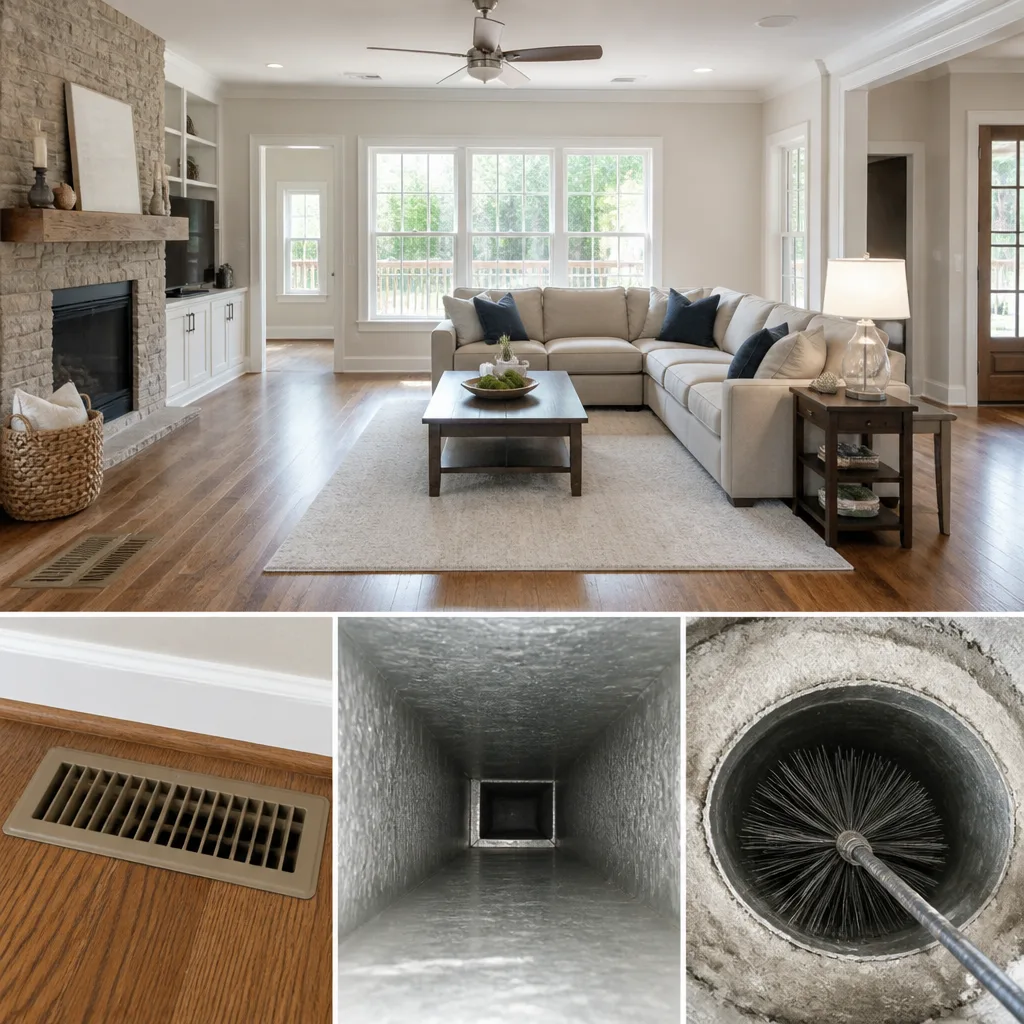 Whole-home duct cleaning
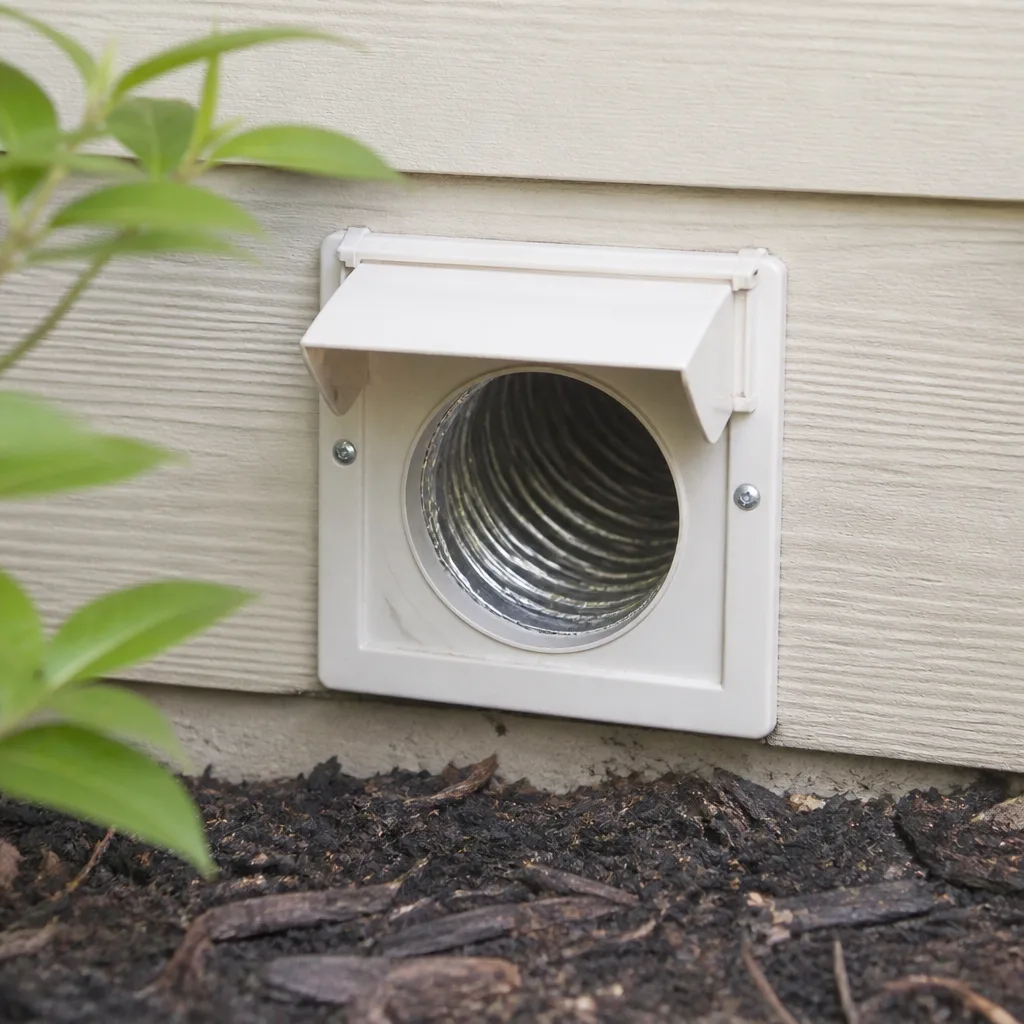 Dryer vent cleaning
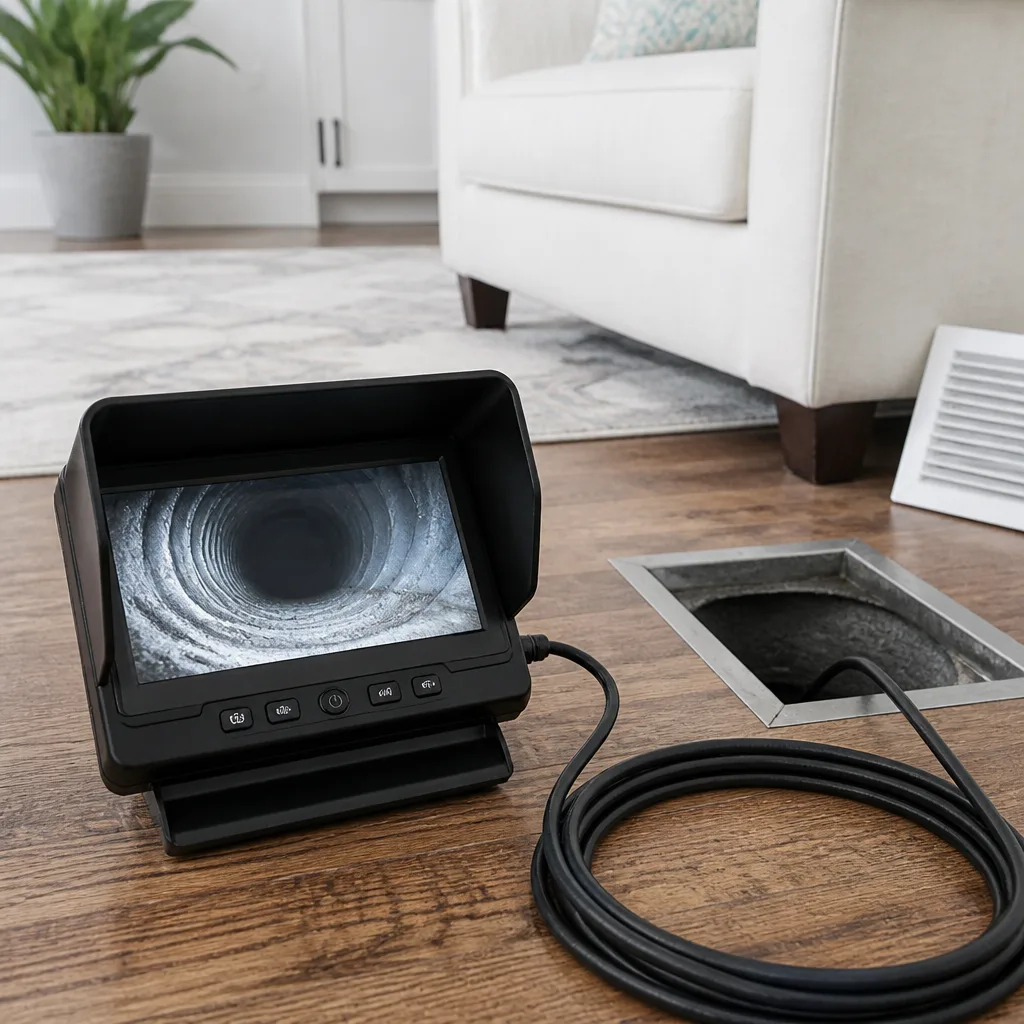 Camera inspection
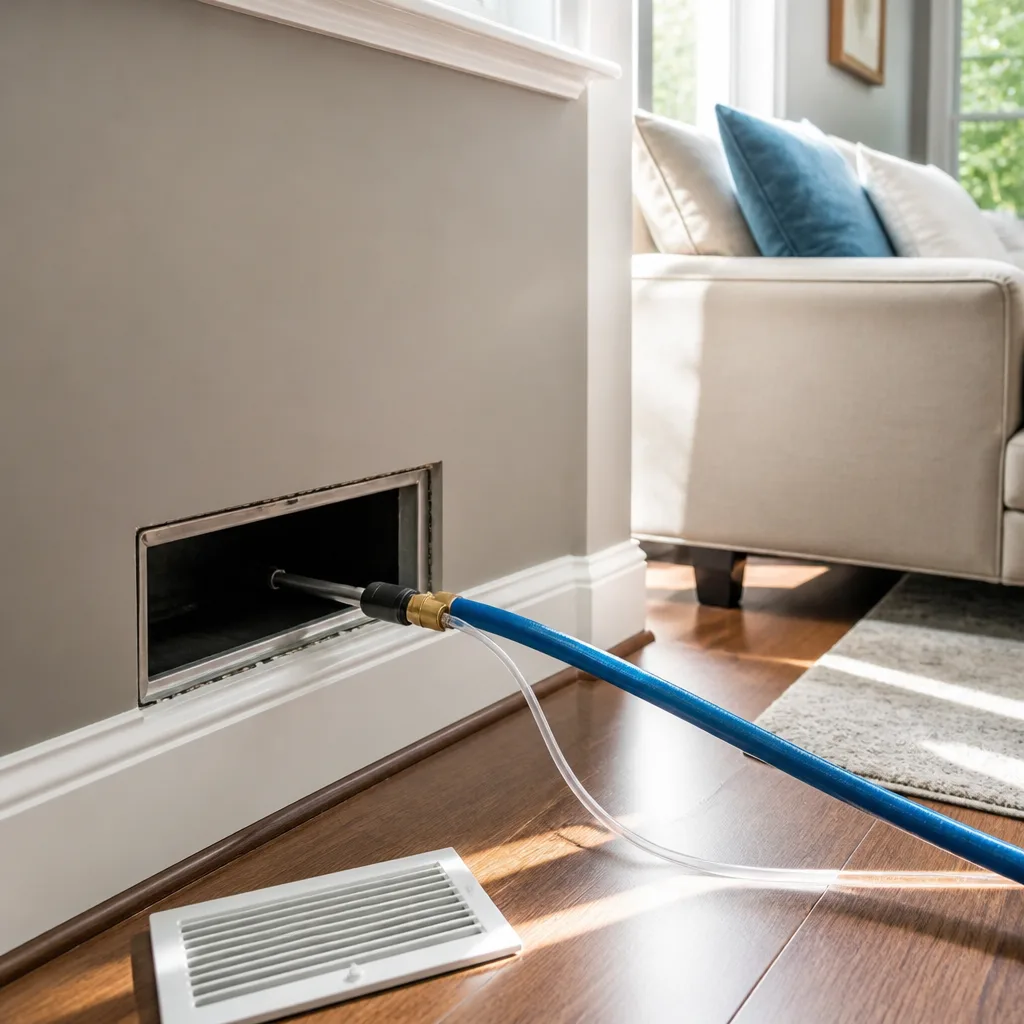 Sanitizing & deodorizing
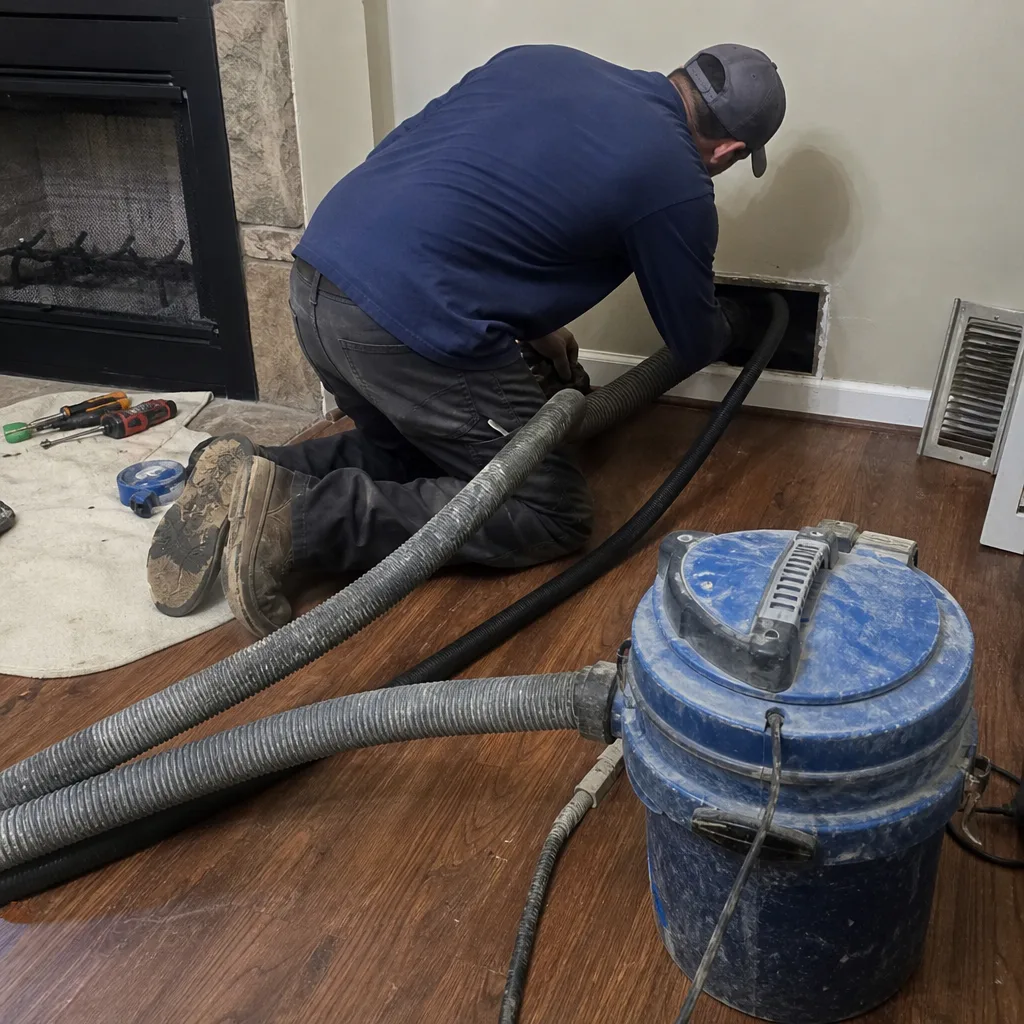
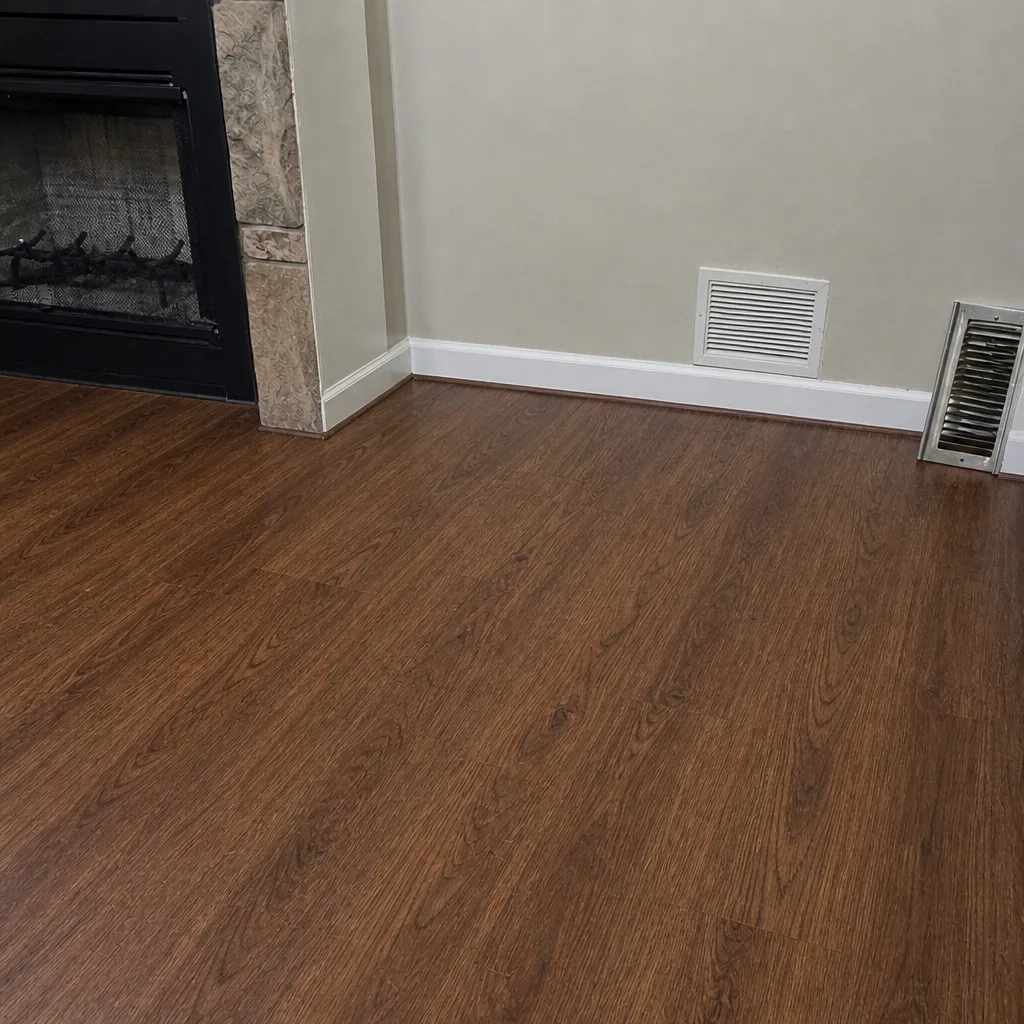
Whole-system duct and dryer vent check with before-and-after photos - you see exactly what came out of your vents
That "$99 whole-house special" is a bait ad - the real number appears once they are in your hallway, or the "clean" is a shop-vac at the register. We photograph the inside of your ducts before and after instead.
The Complete Guide to Air Duct Cleaning in Louisville
Most air duct guides you’ll find online were written for Phoenix or Seattle – places with dry desert air or mild coastal dampness. Louisville is neither. We sit in the Ohio River Valley, where humid continental summers collide with one of the heaviest spring pollen loads in the country, and where a large share of the housing stock was built before 1980. That combination produces duct contamination patterns you won’t read about in a generic national article. What collects inside a Highlands bungalow’s ductwork after a humid July looks nothing like what settles in a new-build out in the East End. This guide covers what actually happens inside Louisville duct systems, how professional cleaning works, what it should cost, and how to verify the job was done right.
Quick Answer
Air duct cleaning in Louisville removes accumulated dust, pollen, pet dander, and moisture-driven biological growth from your home’s ductwork using professional-grade negative-pressure equipment. For most Louisville homes it’s worth doing when you notice visible debris at the registers, unexplained allergy symptoms, a recent renovation, or a system that hasn’t been cleaned in several years. Whole-system cleaning typically runs $300 to $700 depending on home size and duct condition, and the written estimate you receive before work starts is the final price.
Styles & brands we work with
- Whole-home duct cleaning
- Dryer vent cleaning
- Camera inspection
- Sanitizing & deodorizing
Table of Contents
- Why Louisville’s Climate Makes Duct Cleaning Different
- Older Louisville Homes and the Ductwork Problem
- How Professional Duct Cleaning Actually Works
- Truck-Mounted vs. Portable Equipment: Why It Matters Here
- What Duct Cleaning Costs in Louisville
- How to Read a Post-Cleaning Report
- Duct Repair Red Flags Louisville Homeowners Find
- How Often Louisville Homes Need Duct Cleaning
Why Louisville’s Climate Makes Duct Cleaning Different
Louisville sits in a humid continental climate zone, and that single fact changes everything about how ductwork accumulates contamination. Our summers push relative humidity high enough that condensation forms on cool metal surfaces inside the duct system – the supply trunk in particular. That moisture doesn’t evaporate quickly the way it would in a dry climate. It lingers, and it creates conditions where dust mites and mold spores can establish themselves on the dust film coating the inside of the ducts.
Contrast that with a desert market, where the dominant duct problem is simple dry dust accumulation. In Louisville, the problem is dust plus moisture, and that combination is harder to remove. Contaminants bond to the duct walls. They don’t just blow loose.
Spring makes it worse. The Ohio River Valley is known for heavy tree pollen – oak, maple, elm, and ash all release within weeks of each other. When windows are open during mild spring days, that pollen gets pulled into the return system, and once it’s inside the ducts it settles into the same moist dust film. By summer, the system is circulating a mix of pollen, dust, and whatever has started growing in the damp spots.
What this means practically:
- Duct cleaning in Louisville needs to address biological growth, not just visible dust.
- Source-removal matters more than a quick surface pass – the equipment has to actually dislodge bonded material.
- Homes with basements or crawlspaces tend to see more moisture intrusion into duct systems than slab-on-grade homes.
- Late spring and early summer are peak contamination months, which is exactly when most people start noticing symptoms.
Understanding this is the foundation for everything else in this guide. A cleaning method that works in Tucson won’t necessarily work in the Highlands.
Older Louisville Homes and the Ductwork Problem
A significant portion of Louisville’s housing stock was built before 1980 – in neighborhoods like the Highlands, Germantown, Schnitzelburg, Clifton, and Portland, original or partially-updated ductwork is common. That matters because pre-1980s duct systems were designed and installed very differently from modern ones.
Older systems often feature:
- Sheet metal trunk lines with long runs and fewer branch takeoffs than modern designs.
- Flexible duct sections added during retrofits – sometimes with sagging or disconnected joints hidden above finished ceilings.
- Loose or taped joints where original installation used materials that have since degraded.
- Undersized returns for the modern equipment now connected to them.
This creates two problems for duct cleaning. First, older metal ductwork tends to have sharper internal transitions and seams where debris collects in ways a modern, gentler layout won’t produce. Second, retrofitted flex duct in these homes is more fragile – it requires a technician who knows when to use rotary agitation and when to pull back and work more carefully. Cleaning equipment that’s too aggressive can tear aging flex connective fittings.
We’ve seen original 1950s duct systems in Clifton and the Highlands that had never been cleaned since installation. The buildup in those trunks is dense, bonded, and often several millimeters thick. A modern high-efficiency furnace running through that system is moving air through a contaminated channel on every cycle.
If your Louisville home is older than about 1980 and you don’t know the duct cleaning history, the first step is an inspection that identifies duct material type, joint condition, and access points before cleaning begins. Repair and cleaning are often needed together in these homes – and that’s why we handle both. Learn more about our air duct cleaning process.
How Professional Duct Cleaning Actually Works
Professional duct cleaning is a physical source-removal process. It’s not a fogger, not a spray, and not a vacuum attachment waved at your registers. Here’s what a proper whole-system cleaning involves, step by step:
- System inspection and contamination assessment. The technician surveys the duct layout, identifies material types, checks for moisture or biological growth, and photographs the interior of the system.
- Register and grille removal. Supply and return covers come off so the duct interior is accessible.
- Negative-pressure setup. A high-capacity vacuum unit connects to the main trunk through a sealed entry point. It pulls the entire duct system into negative pressure, so when contaminants are dislodged they travel out of the system rather than into your home.
- Agitation with rotary and compressed-air tools. Contact cleaning heads and air whips travel the length of the ductwork, physically dislodging bonded debris from walls, seams, and transitions.
- Source removal at every branch. Each supply branch and return drop is cleaned individually.
- Containment and HEPA filtration. Airborne particles released during agitation are captured through HEPA filtration, keeping them out of the living space.
- Final inspection and photography. Before-and-after images of each major duct section are captured and shown to the homeowner.
- Register reinstallation and system check. Registers go back on and airflow is verified through the system.
Every step matters. Skip the negative-pressure setup and agitation just blows debris into your home. Skip the agitation and the contamination stays bonded to the walls. Skip the HEPA filtration and your indoor air quality during the job is worse than before it started.
This is why we use Rotobrush and Nikro professional-grade equipment – the same class of machinery used by restoration and HVAC contractors, not consumer blowers. Residential duct cleaning at commercial-grade standards produces measurable results, and we show you the difference before we leave.
Truck-Mounted vs. Portable Equipment: Why It Matters Here
Duct cleaning equipment falls into two broad categories, and the choice significantly affects how well the job works in Louisville’s older homes with their tighter floor plans and longer duct runs.
Negative-pressure truck-mounted systems generate far more suction and airflow than portable units because they run on a large external power source and drive a much larger vacuum unit. That matters in two specific Louisville scenarios:
- Long trunk runs in older homes. A Highlands bungalow with a main trunk feeding a dozen branches needs enough suction to keep every branch under negative pressure at once. Portable units often can’t achieve this at the far end of the system.
- Tight, low-clearance floor plans with limited access. Higher airflow means agitation tools work more efficiently, shortening the run time needed for each duct section.
Portable units have a place too – homes with difficult external access, upper-floor retrofits, or situations where a truck can’t get close enough to reach the duct system. But for most single-family homes in Louisville, negative-pressure truck-mounted equipment delivers a more thorough clean than portable units can.
One more equipment point: Abatement Technologies air filtration and containment equipment matters here specifically because Louisville’s humid climate means there’s more airborne biological material to control during cleaning. Proper HEPA containment during agitation isn’t optional. Filtration captures what agitation releases.
Ask your technician what vacuum setup will be used before the job starts. If a company can’t explain the difference between negative-pressure and standard vacuum, that’s information.
What Duct Cleaning Costs in Louisville
Air duct cleaning in Louisville typically runs $300 to $700 for a whole-system cleaning on a typical single-family home. That range reflects home size, number of supply and return branches, duct material, and how much contamination has accumulated. Larger homes and heavily contaminated systems land at the higher end. The written estimate you receive before work starts is the price you pay – no per-vent pricing, no surprise add-ons once the technician is inside.
Here’s a rough line-item breakdown of what falls into that range:
- Whole-home air duct cleaning – $300 to $700 depending on home size and duct system complexity
- Dryer vent cleaning – $150 to $300 depending on vent length and access
- Air duct repair – quoted per job after inspection, since the scope depends entirely on what’s damaged and how
Air duct cleaning in Louisville is priced per job, not per vent. Any company quoting per-vent pricing is creating an incentive to bill by counting registers rather than by doing the work right.
Why is the price range so wide? Because a 900-square-foot shotgun house in Germantown with four supply registers is not the same job as a 3,000-square-foot home in Anchorage with two separate systems and twenty-two branches. Home size and system complexity drive the number.
We do free estimates, and that estimate is written down before any work begins. That’s the single biggest protection against the bait-and-switch pricing problem in this industry.
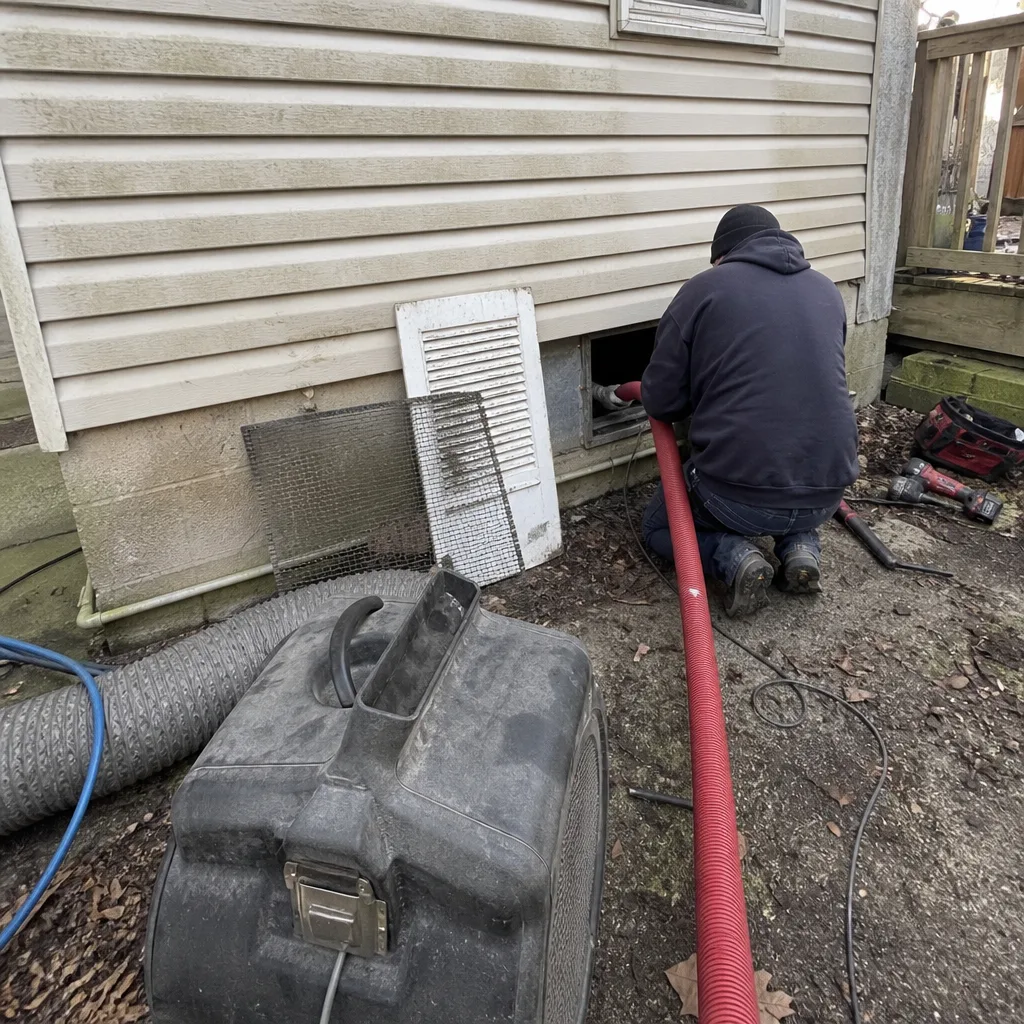
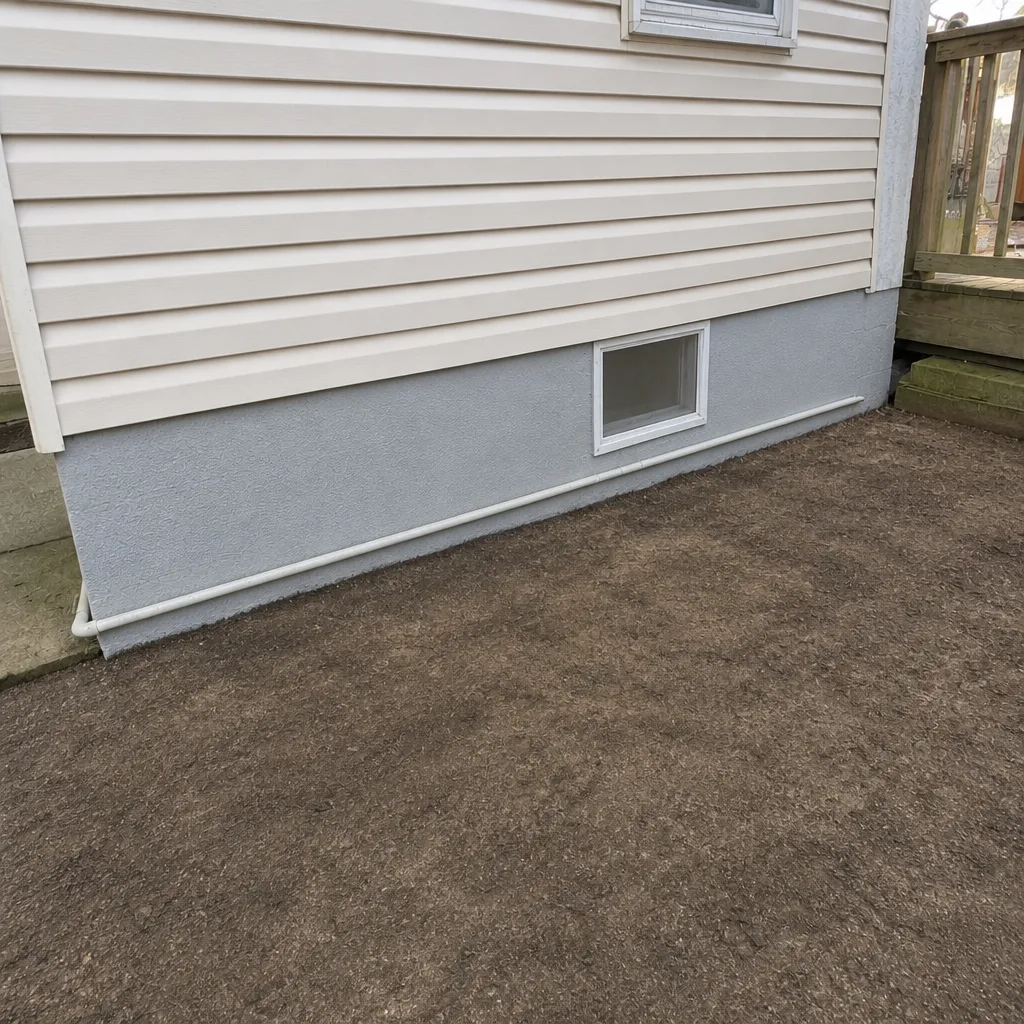
For dryer vent cleaning, we handle it through the same visit at our dryer vent cleaning page – duct cleaning, repair, and dryer vent service are all part of our scope.
How to Read a Post-Cleaning Report
The single most important way to know your duct cleaning was actually done: ask for before-and-after photos of the interior of your own ductwork. Not stock photos, not a generic report – photos of your system.
Here’s what a proper post-cleaning report should contain, so you know what to expect:
- Before-and-after photographs of the main trunk and several branches, showing interior duct walls, seams, and transitions.
- A written list of every duct section serviced with locations matched to your home’s layout.
- Notes on any contamination found – including material type, location, and severity.
- Condition notes for any damaged duct sections requiring repair follow-up.
- System check results – airflow verified at registers after reinstallation.
The reference standard for commercial duct cleaning in the U.S. is NADCA – the National Air Duct Cleaners Association. A report structured around NADCA principles includes source removal documentation, before-and-after imaging, and inspection findings. If a company can’t provide before-and-after photos of your own ducts, ask why.
Two specific things to check in the report:
- Do the photos actually match the ducts in your home? Check for duct material type and layout clues.
- Were all branches serviced, or just the main trunk? Every supply branch and return drop should be listed.
See the difference before we leave is our commitment on every job – the report is part of the work, not an optional extra.
Duct Repair Red Flags Louisville Homeowners Find
Duct cleaning often reveals duct problems that were never visible before. In Louisville’s older housing stock, certain damage patterns come up regularly – and they’re the reason we offer cleaning and repair as a combined capability rather than a one-visit service.
Watch for these red flags in the report:
- Disconnected flexible duct joints above finished ceilings. Original flex duct in older Louisville homes often develops separation at the collar, leaking conditioned air into the wall cavity or attic.
- Torn or crushed flex sections. Undersized chases in tight homes mean duct runs were sometimes crushed to fit, restricting airflow permanently.
- Degraded tape and sealant at joints. Older mastic and foil tape fail over time, leaving gaps that pull in attic or crawlspace air.
- Moisture staining or visible biological growth on interior duct surfaces. More common in Louisville than in dry climates – usually the first sign that a system has a humidity problem.
- Pest intrusion. Rodent entry is more frequent in older homes with crawlspace or attic duct runs.
- Rusted or collapsed sheet-metal sections. Corrosion on trunk line panels in older systems that were never sealed properly.
Any of these means cleaning alone won’t solve the problem. Cleaning removes contamination, but if the ductwork is leaking or disconnected, the system will re-contaminate. Repair addresses the root cause.
If you’re in an older Louisville neighborhood and you’ve never had the ducts inspected, ask for an assessment of duct integrity alongside cleaning. It’s the difference between clean air and clean-for-now air.
How Often Louisville Homes Need Duct Cleaning
The general industry guidance is every three to five years for a typical home, but Louisville’s climate and housing stock push that toward the shorter end for many properties. Here’s what actually tips the decision:
- Pets in the home. Pet dander accumulates rapidly in the return system and mixes with Louisville’s humid air to feed biological growth.
- Allergy or asthma symptoms that worsen when the HVAC system is running.
- Recent renovation – drywall dust and construction debris get pulled into the return system during any remodel, and Louisville’s older homes undergo renovation frequently.
- Visible dust at registers or streaks on supply grilles.
- Musty odor when the system kicks on – a sign of moisture-related contamination in the ducts.
- Pre-1980 home with original or partially-updated ductwork and no known cleaning history.
- Long dryer vent runs that have never been cleaned – related but separate from duct cleaning, and worth doing at the same visit.
If none of these apply and your ducts were cleaned recently, waiting a few more years is reasonable. Duct cleaning is maintenance, not a subscription – it should happen when conditions warrant it, not on a fixed sales calendar.
For an honest assessment of whether you need it, we offer free estimates in Louisville.
Common Mistakes to Avoid
- Hiring on a coupon price alone. The low teaser number is the industry’s most common bait-and-switch setup – once the technician is inside, “conditions” appear. Get the written estimate for the whole job in advance.
- Accepting per-vent pricing. Per-register pricing rewards counting over cleaning. Whole-system pricing is the honest model.
- Skipping the before-and-after photos. If you can’t see the actual ducts before and after, you have no way to verify the work. Insist on it.
- Cleaning a damaged duct system without repairing it. Disconnected joints in older Louisville homes will re-contaminate clean ducts quickly. Repair and cleaning usually belong together.
- Forgetting the dryer vent. In Louisville’s older homes, long dryer vent runs through wall cavities build up lint slowly. This is a fire risk separate from duct cleaning and worth addressing at the same visit.
- Assuming any vacuum counts as professional equipment. Consumer blowers and portable shop vacs can’t generate the negative pressure needed to clean a full Louisville duct system properly.
- Ignoring the humidity angle. Louisville’s summers create biological growth in ductwork that requires more than a dry dust pass. Ask how the company handles moisture-related contamination.
See the difference
 Before
 After
 Before
 After
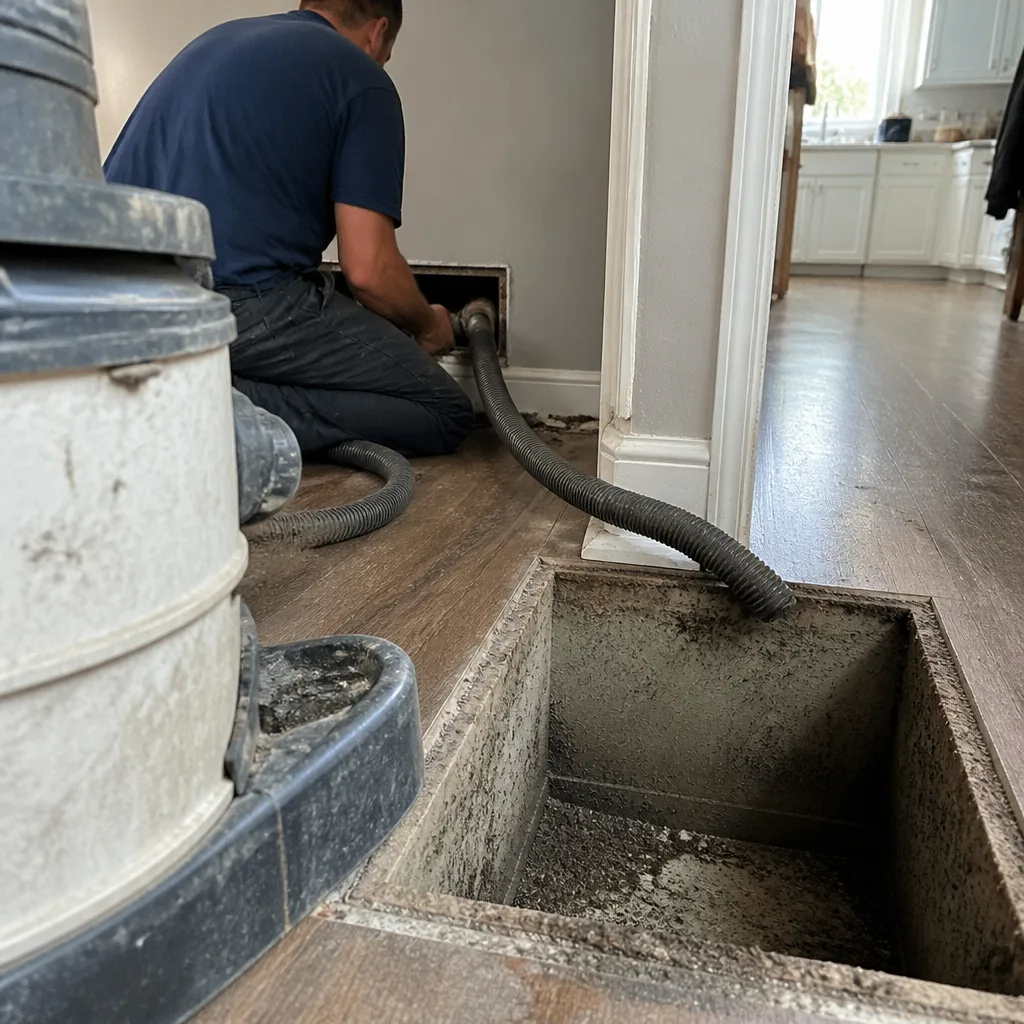 Before
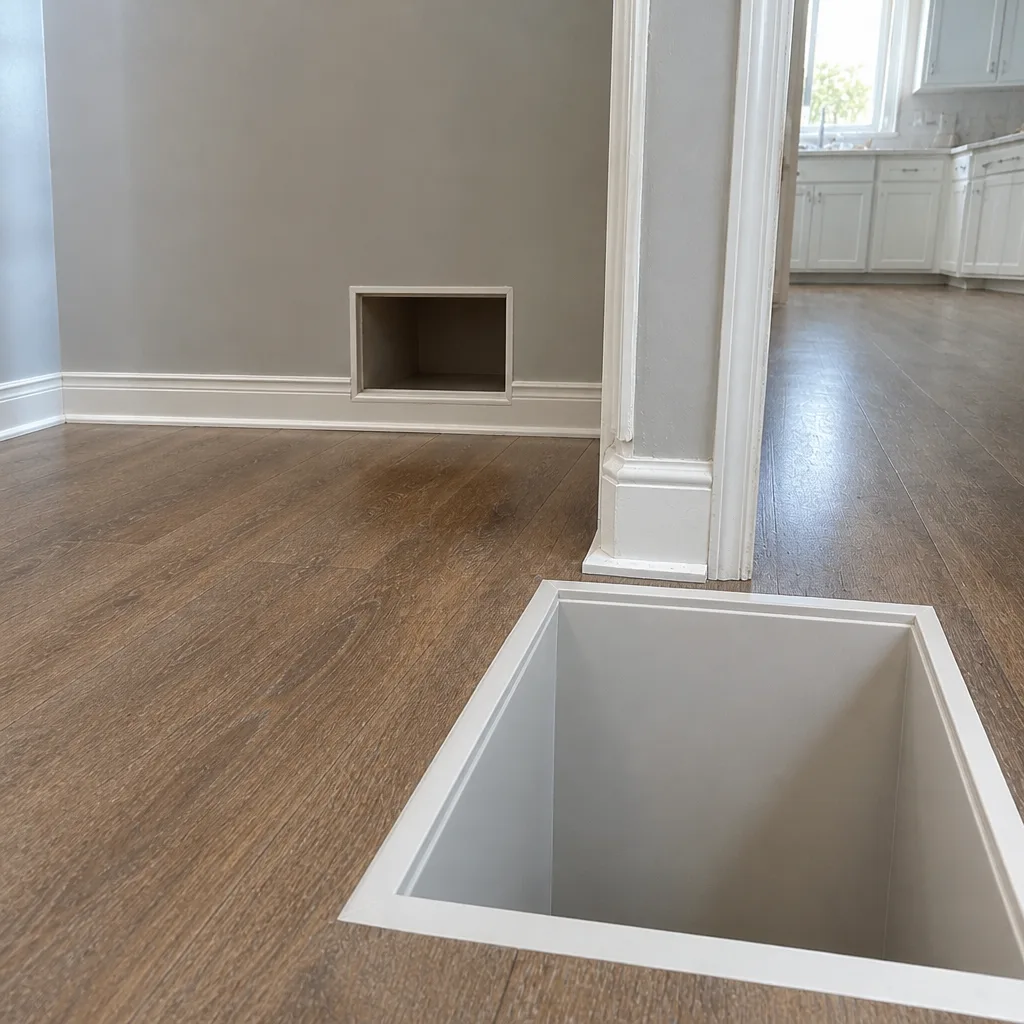 After
When to Call a Professional
Some duct problems are obvious. Others hide inside the system. Call a professional if you notice any of these: visible puff of dust from the registers when the system kicks on; a musty or dusty smell each time the HVAC starts; someone in the household with consistently worse allergy symptoms indoors than outdoors; a home older than about 1980 with no known duct cleaning history; a recent renovation, mold issue, or pest problem; a dryer that takes more than one cycle to finish; or a visible disconnect anywhere in the visible ductwork. Also call if you notice whistling or reduced airflow – that can point to duct damage more than contamination. Thrive Air Duct Cleaning offers free estimates in Louisville – call (866) 875-5603. We answer 24/7. Fast dispatch from 7am to 7pm, Sunday through Friday.
Frequently Asked Questions
Air duct cleaning in Louisville typically costs $300 to $700 for a whole-system cleaning on a typical single-family home, depending on home size, number of registers, and duct condition. The written estimate you receive before work starts sets the final price. Call (866) 875-5603 for an exact quote – estimates are free.
Every three to five years is a reasonable baseline, but Louisville’s humid summers and heavy spring pollen push many homes toward the shorter end. Homes with pets, allergy sufferers, older ductwork, or recent renovation often need it closer to every two to three years. The honest signal is symptoms and visible conditions, not a sales calendar. Call (866) 875-5603 and we’ll give you a straight assessment – estimates are free.
Low quotes usually reflect a per-vent pricing model or a teaser price that gets revised once the technician is inside. The advertised price rarely matches the final invoice. A whole-system price quoted in writing before work begins is the honest comparison. Call (866) 875-5603 for a written whole-system estimate – estimates are free.
Before-and-after photos of your own ductwork, taken during the job, are the proof. Every report should include them, along with a section-by-section list of what was serviced. If your technician can’t show you the interior of your ducts, ask why. Call (866) 875-5603 and we’ll walk through how we document every job – estimates are free.
Yes. Pre-1980s Louisville homes often have original sheet-metal trunk lines with retrofitted flex sections, looser joints, and contamination that’s been in place much longer. The cleaning needs more careful rotary agitation to avoid tearing aging flex, and repair is often needed alongside cleaning. Call (866) 875-5603 to discuss what your home’s duct system likely needs – estimates are free.
Significantly. Louisville’s humid continental summers create condensation inside cool metal ducts, which supports dust mite and biological growth that drier climates don’t see at the same rate. Duct cleaning here needs to address bonded contamination, not just surface dust, and proper HEPA containment during cleaning is more important. Call (866) 875-5603 to talk through what your home needs – estimates are free.
The Bottom Line
Louisville is not a generic duct cleaning market. The Ohio River Valley’s humid summers, heavy spring pollen, and older housing stock produce contamination patterns that need more than a quick dust pass. The right job uses professional-grade equipment – negative-pressure setup, rotary agitation, HEPA containment – and shows you before-and-after photos of your own system when it’s done. Price should be a written whole-system figure agreed before any work starts, not a coupon teaser that changes once the technician is inside. If you’re in an older Louisville home with original ductwork, plan for cleaning and inspection together, because repair and cleaning usually belong in the same visit. Thrive Air Duct Cleaning does ductwork – cleaning, repair, and dryer vent service – and that’s all we do. Call (866) 875-5603 for a free estimate on Thrive Air Duct Cleaning. We answer 24/7. Fast dispatch from 7am to 7pm, Sunday through Friday.
Written by the team at Thrive Air Duct Cleaning.