
Last updated November 14, 2026
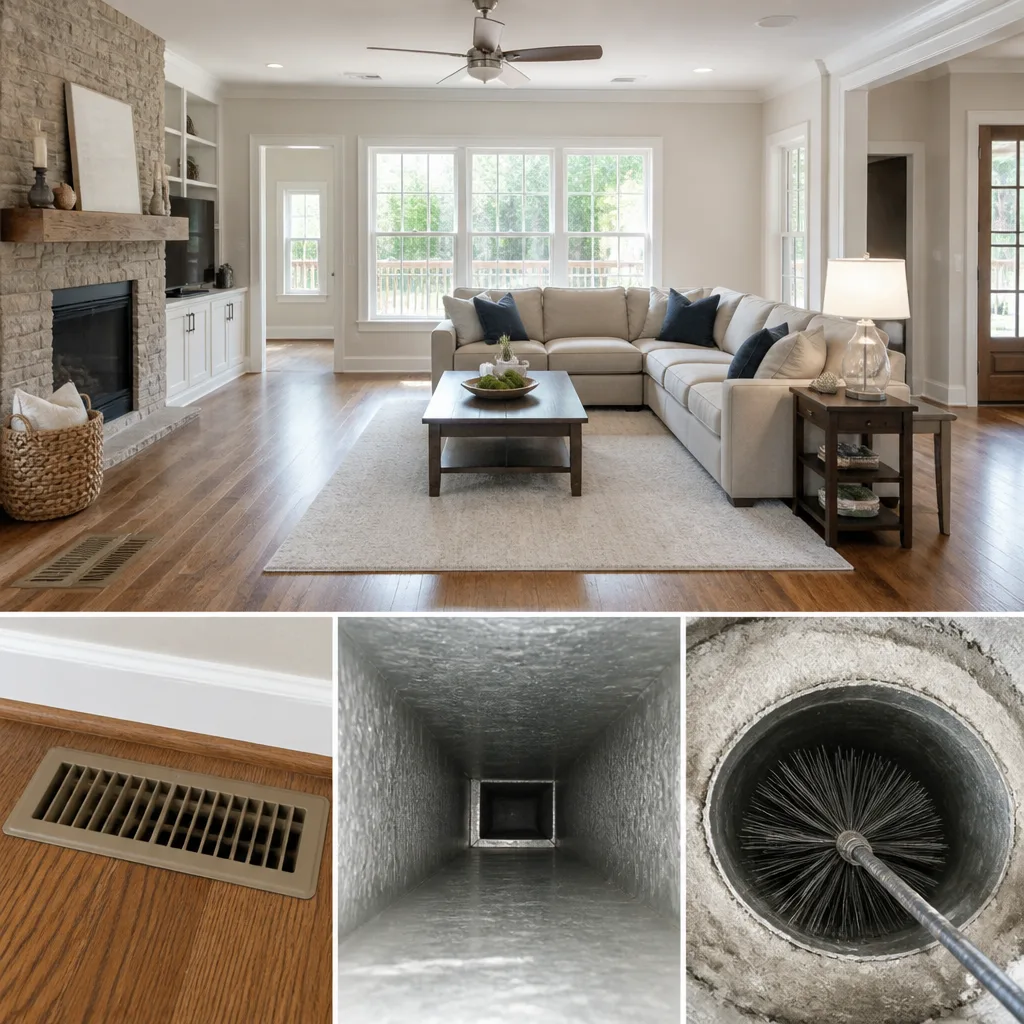 Whole-home duct cleaning
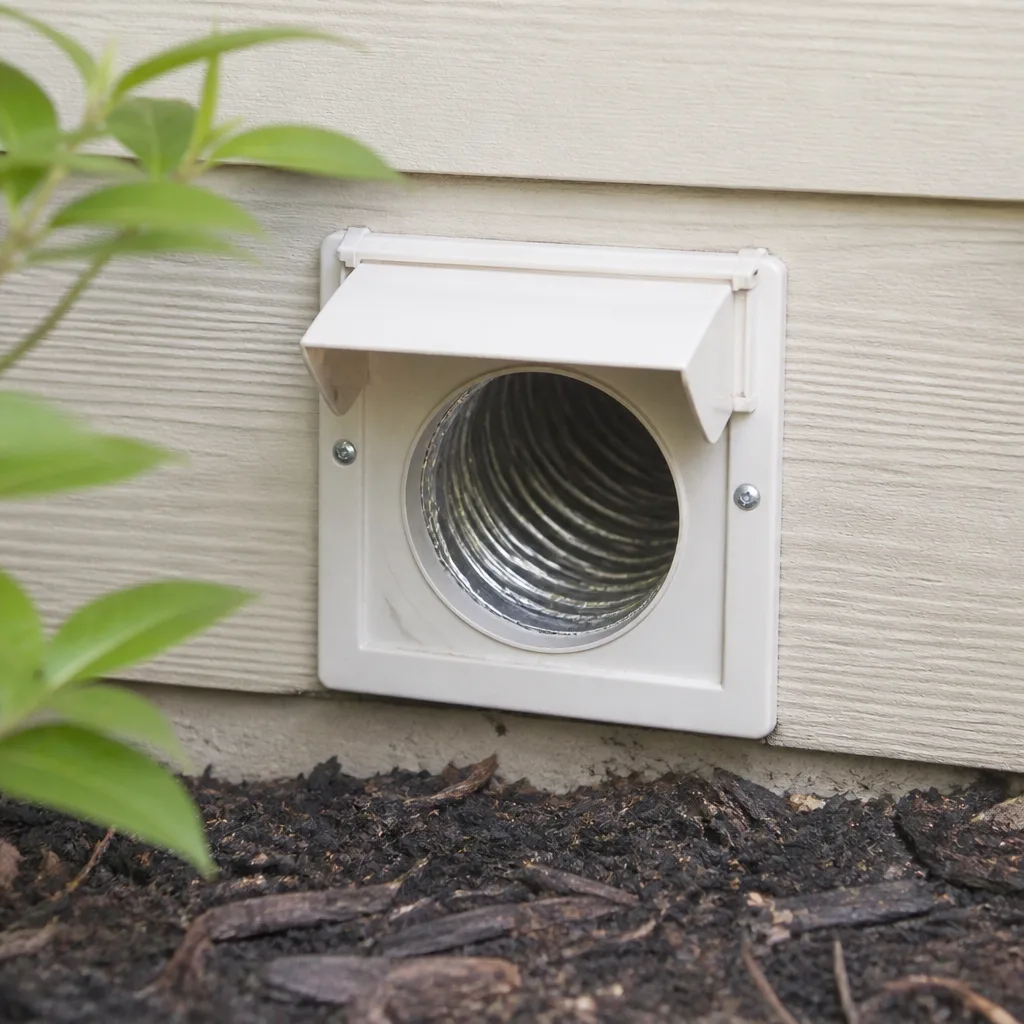 Dryer vent cleaning
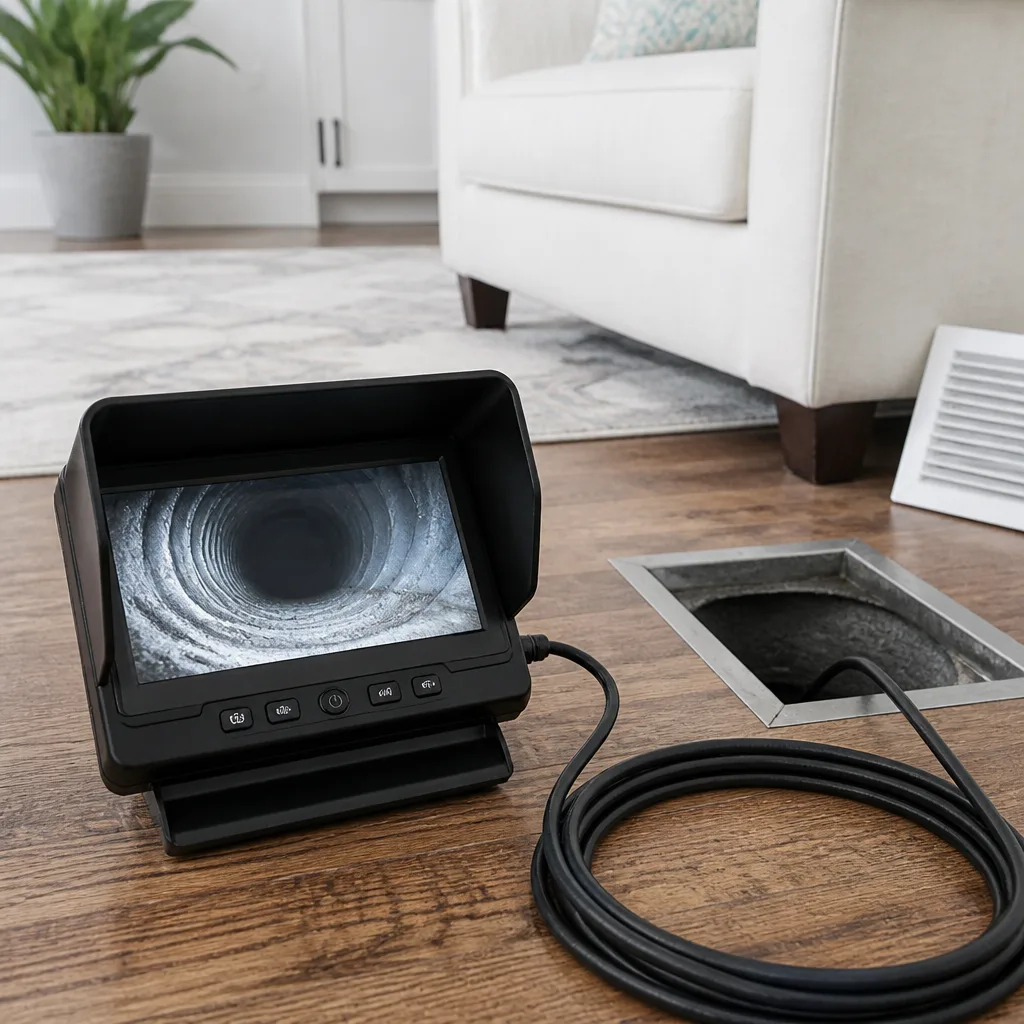 Camera inspection
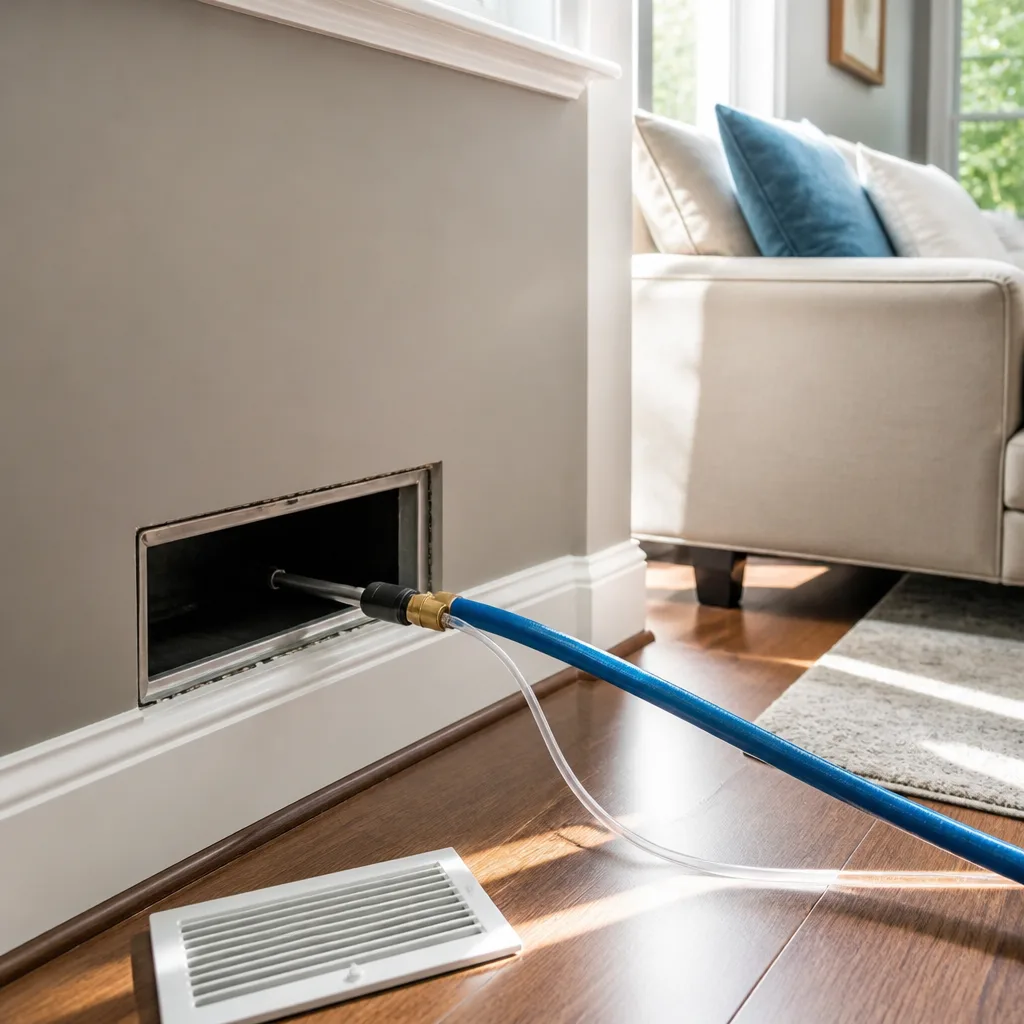 Sanitizing & deodorizing
Whole-system duct and dryer vent check with before-and-after photos - you see exactly what came out of your vents
That "$99 whole-house special" is a bait ad - the real number appears once they are in your hallway, or the "clean" is a shop-vac at the register. We photograph the inside of your ducts before and after instead.
Seasonal Air Duct Cleaning Care for Louisville: Year-Round Homeowner’s Guide
Most homeowners treat duct cleaning as an annual checkbox, and that’s the first mistake. Louisville doesn’t have an “annual” climate. It has four genuinely different seasons, and each one leaves something different inside your ductwork. Spring loads the system with tree pollen. Summer feeds it with humidity that never quite dries out. Fall pulls leaf debris and a season’s worth of dust toward the return grilles. Winter bakes everything dry and loose so it can lift back into the air you breathe. If you schedule cleaning in January, you’ve already spent months breathing what fall and heating season deposited. This guide shows you how to time duct care around Louisville’s seasonal transitions so you’re protecting your air before the stress hits, not after.
Quick Answer
The best time to clean air ducts in Louisville is late fall, just before you switch from cooling to heating, and again in late spring after pollen season, with filters changed far more often than the usual 90-day rule during those transition months. If your home has never had a professional cleaning, a first deep clean followed by a two-cleaning seasonal rhythm is the most effective schedule. Cleaning more than twice a year is usually unnecessary unless you’re renovating or have shedding pets.
Styles & brands we work with
- Whole-home duct cleaning
- Dryer vent cleaning
- Camera inspection
- Sanitizing & deodorizing
Table of Contents
- Why Louisville’s Four Seasons Stress Your Ducts Differently
- The Best Times of Year to Schedule a Cleaning in Louisville
- What Each Season Deposits in Your Ductwork
- How to Adjust Filter Changes by Season (Not the 90-Day Rule)
- Summer Humidity and Your Duct Lining
- The Fall Transition Checklist Before You Switch to Heat
- The Spring Reset: What to Do After Heating Season
- When Cleaning Isn’t Enough: Duct Repair as Seasonal Maintenance
Why Louisville’s Four Seasons Stress Your Ducts Differently
Louisville sits in a climate where both heating and cooling run hard for long stretches. The system that cools your home in July is the exact same network of ducts that heats it in January. That shared ductwork sees every seasonal load you can throw at it. A house in a mild coastal climate might run the heat for a few weeks and call it a winter. Here, the heating season is long enough to dry out the entire house, and the cooling season is humid enough to keep the system wet in ways that matter.
That cycle of wet and dry is what most people miss. Ductwork doesn’t just collect dust. It collects what the seasons carry into it, and each season carries something different. In our experience, a Louisville duct system that gets cleaned once in early fall reads very differently from one that hasn’t been touched since spring.
There’s also the housing side. Louisville has a deep stock of older homes in neighborhoods like the Highlands, Clifton, and Germantown, many with duct systems that have been added to, taped together, or retrofitted over time. Older flexible duct and aging joints are more vulnerable to the seasonal wet-dry cycle than a new system is. That means timing matters more here, not less. When you understand what each season deposits, you can schedule around it instead of guessing.
- Spring: pollen and fine outdoor particulate pulled in through returns
- Summer: humidity that can condense on cold duct surfaces
- Fall: leaf debris, dust, and whatever the fan pushed around all summer
- Winter: dry, loose dust that stays airborne longer
Each of those gets its own section below, plus the practical checklist for handling it. If you want the general service overview first, our air duct cleaning page covers what a professional cleaning actually involves.
The Best Times of Year to Schedule a Cleaning in Louisville
Two windows work best, and both are transitions rather than arbitrary dates. The first is late October to early November, before the furnace runs consistently. The second is late May to early June, after the spring pollen push has settled. Cleaning at those moments means you’re clearing the system right before a heavy-use season, not in the middle of one.
Here’s why the timing matters more than the frequency. If you clean in the middle of the heating season, you clear out dust that the dry furnace air then starts lifting again within weeks. If you clean right before the furnace kicks on for the winter, you’re starting the season clean and the dry air has nothing much to lift. Same service, better placement on the calendar.
A practical annual rhythm looks like this:
- Late fall (October into November): deep clean before the first sustained heating, so the winter season starts with clear ducts.
- Late spring (late May into early June): a second cleaning after pollen season if you have allergies, pets, or a renovation in the works.
- Filter changes: more often than twice a year, which the filter schedule section covers in detail.
Homes with heavy shedding pets, recent renovations, or occupants with allergies usually benefit from both cleanings. Homes with no pets and no allergy concerns can often get by with the fall cleaning plus disciplined filter changes. If you’re unsure which category you’re in, a free estimate is the fastest way to find out. Thrive Air Duct Cleaning serves Louisville and the surrounding area, and we’ll tell you honestly whether you need one cleaning or two.
What Each Season Deposits in Your Ductwork
Breaking it down season by season makes the timing decisions obvious. This is the section to come back to when you’re deciding whether to book now or wait.
Spring: Pollen and Fine Particulate
Louisville’s tree canopy is one of its best features, and it’s also one of the reasons spring is hard on ductwork. As trees leaf out, fine pollen drifts into returns and settles on duct surfaces. Once it’s inside, it doesn’t blow back out. It sits there, and when the cooling season starts, it lifts into the air you breathe. This is the season that pushes allergy sufferers to book a cleaning, and it’s the right instinct. Cleaning after the pollen peak, not during it, gives you the most benefit.
Summer: Humidity and Condensation
Louisville summers are humid, and cold cooling coils plus humid air equals condensation. That moisture can collect on duct surfaces and lining, especially in basements and crawls where ducts run through unconditioned space. Wet duct lining is where the problems start: it holds onto dust and doesn’t dry out. We’ll come back to this in the humidity section, because it’s the single most overlooked duct issue in Louisville homes.
Fall: Leaf Debris and Settled Dust
When the furnace fan runs for the first time in months, it pushes everything that settled over the summer toward the grilles. Leaf debris and outdoor particulate find their way in through returns and gaps in the system. If you haven’t cleaned since spring, this is when you notice dust coming off the vents. Cleaning before that first heat run means the fan has nothing nasty to push around.
Winter: Dry Air and Loose Dust
Furnace air is dry air, and dry dust is light dust. It stays airborne longer and settles on surfaces you notice. Interior dryness also cracks skin and makes dust more visible on furniture and floors. Winter is the season when a dirty system is most obvious to a homeowner, which is ironic, because it’s also the hardest season to schedule a cleaning for a meaningful reason. Clean before winter, not because of it.
How to Adjust Filter Changes by Season (Not the 90-Day Rule)
The flat 90-day filter rule is a manufacturer’s rough average, not a schedule for your home in this climate. Louisville’s seasonal workload means some months take a much heavier toll on the filter than others. Here’s how to think about it instead.
- Spring (March-May): change every 4 to 6 weeks. Pollen is the heaviest loading of the year for many homes.
- Summer (June-August): change every 6 to 8 weeks. Cooling runs constantly, and humidity can affect how a filter performs.
- Fall (September-November): change every 4 to 6 weeks. Heating season startup and leaf debris mean the filter is doing extra work.
- Winter (December-February): change every 6 to 8 weeks. Dry furnace air lifts loose dust that the filter needs to catch.
Three factors adjust those numbers upward. If you have shedding pets, shorten every interval. If anyone in the home has allergies or asthma, shorten them again. If you’re renovating, change the filter more than once during the project, no matter the season. The filter’s job is to protect the system, and a saturated filter just lets the dust through.
Two things to check beyond the calendar. First, look at the filter itself: if it’s visibly grey and holding dust, it’s done. Second, check the MERV rating against your system’s spec. Higher isn’t automatically better; a filter too restrictive for your blower can reduce airflow and strain the system. Match the rating to what your equipment calls for. A proper professional cleaning paired with disciplined filter changes is what keeps the whole system healthy. If you’re buying filters this month, this is the right time to book the cleaning too.
Summer Humidity and Your Duct Lining
Louisville’s summer humidity is the quiet threat to your duct system, and it’s the issue most homeowners never think about. When cold air moves through ducts in a humid house, moisture can condense on cold surfaces. In basements and crawls where ducts run through unconditioned space, that condensation can soak into duct lining and stay wet. Wet lining holds dust, doesn’t dry out, and creates a persistent problem that cleaning alone can’t always fix.
Homes without whole-home dehumidification are the most exposed. If your basement smells musty in late summer, that’s worth paying attention to. So is condensation you can see on duct surfaces in a crawl space or basement. We’re not in the mold remediation business, and we’ll tell you plainly when a moisture problem is beyond duct work. But the ductwork itself can be cleaned, and in many cases repaired, so the system isn’t holding moisture it can’t shed.
What you can do between professional visits:
- Keep indoor humidity in check with a dehumidifier in the basement or crawl if you have one.
- Change filters more often in humid months, since a wet, loaded filter is worse than a dry one.
- Look for visible condensation on ducts in unconditioned spaces and note where it appears.
- Book a fall cleaning so the system starts the heating season dry and clear.
If you’ve noticed moisture on or around your ducts, it’s worth having the system looked at before fall. Our team uses professional-grade equipment, including Abatement Technologies systems, to control containment and air quality during service. Summer is the season to ask questions about moisture, not the season to ignore it.
The Fall Transition Checklist Before You Switch to Heat
This is the most important seasonal step in Louisville, and it’s the one most people skip. Before the furnace runs for the first time in months, the system should be clear. Otherwise you’re burning through months of settled debris and circulating it through the house all winter. Here’s the checklist we’d walk a homeowner through.
- Inspect the return grilles: look for dust and debris visible at the grilles. If you see it there, it’s worse inside.
- Change the filter: a fresh filter before heating season starts protects the system from day one.
- Check for visible debris at supply registers: dust blowing off the vents on the first heat run is a sign of accumulated debris.
- Look at ducts in basements and crawls: check for moisture, loose or disconnected joints, and lining that looks wet or damaged.
- Book the cleaning before the first sustained heat, not after. The window is late October into early November.
- Note any odors on startup: a dusty smell on first heat is normal briefly; a persistent smell is worth investigating.
The reason this checklist matters is simple physics. Heat lifts dust. If the ducts are clear when the heat comes on, the dry air has little to lift. If they aren’t, you spend the whole winter breathing what was sitting there all summer. Fall is also the season when we see the most homes that skipped the transition and are now trying to catch up in January. The cleaning works either way, but the timing determines what you actually experience.
The Spring Reset: What to Do After Heating Season
Spring is the season people think about duct cleaning, but the right spring task is a reset after the heating season, not a reaction to pollen in the air. Here’s how to think about the spring window.
- Wait for the pollen peak to pass. Louisville’s tree pollen is heaviest for a stretch of weeks in spring; cleaning before the peak wastes the effort.
- Change the filter going into cooling season. The filter that got you through winter is loaded; start the cooling season fresh.
- Book the post-pollen cleaning in late May or early June if you have allergies, pets, or a renovation on the calendar.
- Check the system for any winter damage: loose joints, disconnected runs, ducts that shifted over the cold months.
- Consider a repair assessment if you’ve noticed poor airflow in some rooms, which is often a duct problem rather than a cleaning problem.
Spring is also when the seasonal wet-dry cycle starts again, so a check for duct damage after winter is worthwhile. A duct system that ran through the coldest months may have loose joints or sagging runs that are easy to fix now and harder to fix when the cooling season is in full swing. Cleaning and repair done together in spring sets the system up for the summer ahead.
When Cleaning Isn’t Enough: Duct Repair as Seasonal Maintenance
Cleaning addresses contamination, but it can’t fix a torn liner, a disconnected joint, or a run that’s been crushed or sagging since some past retrofit. Louisville’s older housing stock has a lot of duct systems that have been modified over time, and those modifications are where damage tends to show up. The result is uneven airflow, rooms that never heat or cool properly, and ducts that keep collecting debris no matter how often they’re cleaned.
That’s why we treat repair as part of seasonal maintenance, not a separate specialty. A cleaning that doesn’t address a torn liner or a disconnected run leaves the root cause in place. The fall checklist in particular should include a look at any ducts you can see, because a wet or damaged liner going into winter is a problem that’ll get worse before it gets better. Guardsman-associated standards guide how we protect finished surfaces and materials during service, and a repair-first view of the system is how we approach any job.
Look for these signs that repair is needed, not just cleaning:
- Uneven temperatures between rooms that used to be consistent
- Weak airflow at registers in certain parts of the house
- Visible tears, kinks, or disconnects in duct runs
- A musty smell that returns soon after a cleaning
- Dust reappearing faster than it should after a cleaning
When a repair makes sense, fixing it during the same visit as a cleaning is the efficient path. One call can resolve multiple hidden air-system problems, and it saves a separate trip. We clean it, we repair it, we clear it: that’s the full scope, and it’s what lets us address a seasonal issue at the source.
Common Mistakes to Avoid
- Following the 90-day filter rule in a Louisville climate. Spring and fall demand more frequent changes; a flat quarterly schedule lets the filter run saturated through the heaviest months.
- Cleaning in January instead of before heating season. By then you’ve already spent months circulating what fall and early winter deposited. Clean in late fall so the heating season starts clear.
- Cleaning during pollen season instead of after it. Cleaning before Louisville’s pollen peak means the ducts get loaded again almost immediately.
- Ignoring duct lining after a humid summer. Wet lining in basements and crawls is where persistent duct problems start, and it’s easy to miss if you don’t look.
- Treating a cleaning as a repair. If joints are loose or a run is disconnected, cleaning alone won’t fix the airflow problem. Ask about repair when the signs are there.
- Booking the cheapest coupon crew and getting a shop-vac pass. A consumer-grade vacuum doesn’t contain the dust it disturbs. Professional-grade equipment is the difference between a real clean and a cosmetic one.
- Skipping the fall transition checklist. Starting the furnace without checking ducts first is the most common Louisville mistake, and the one that costs you through the whole winter.
See the difference
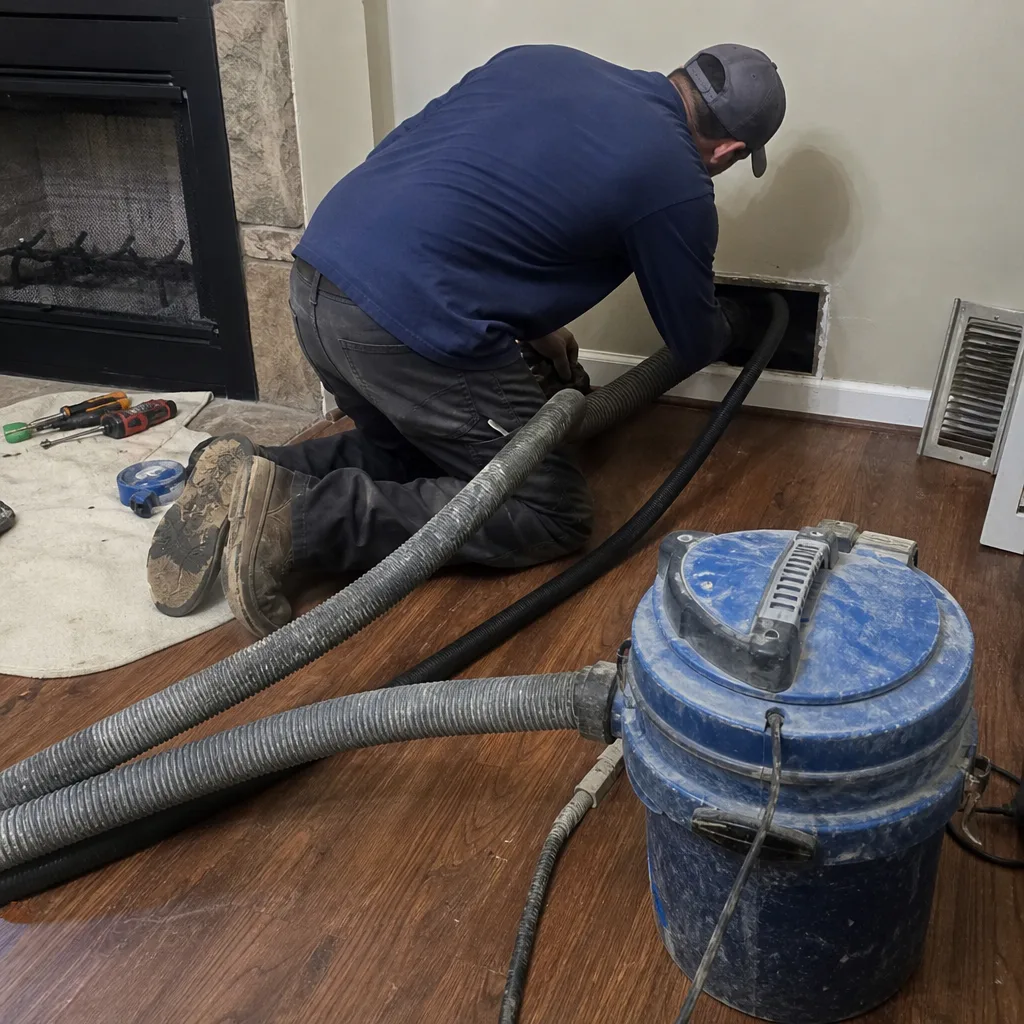 Before
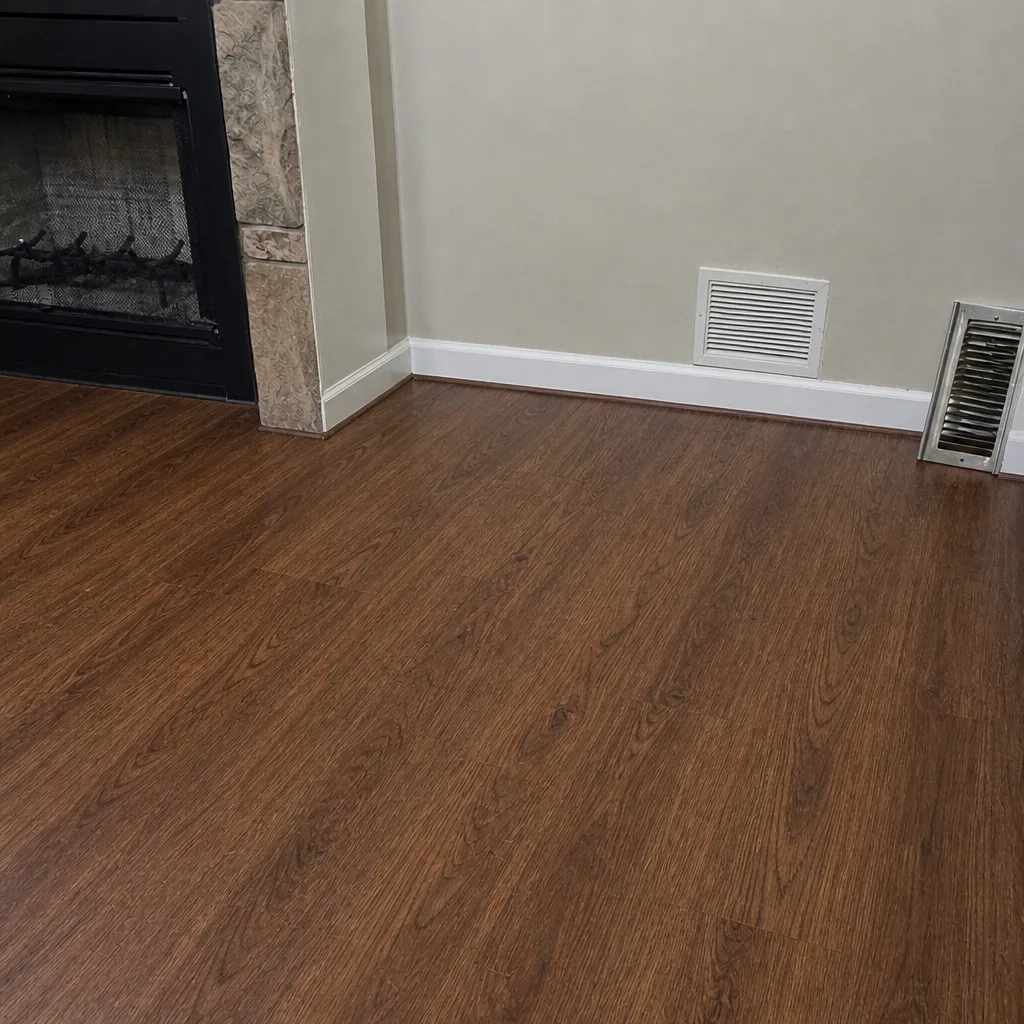 After
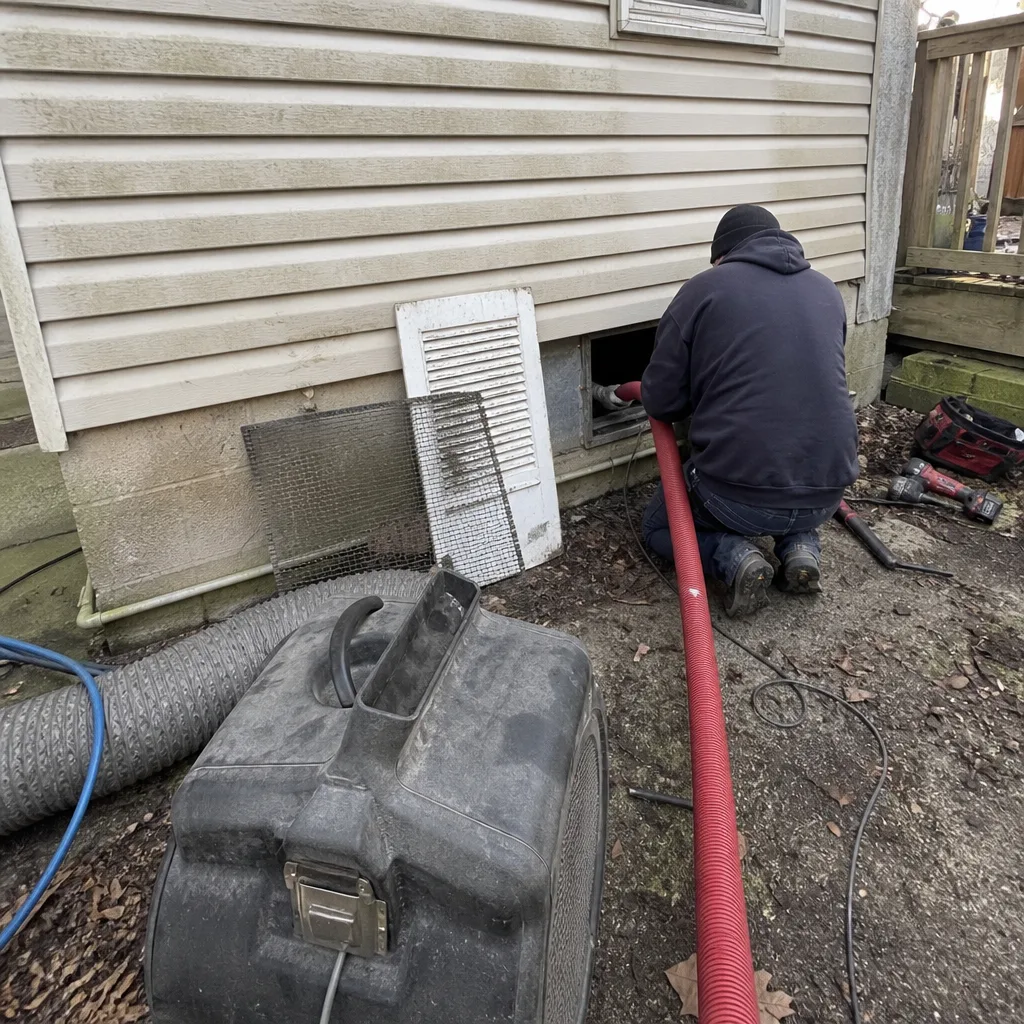 Before
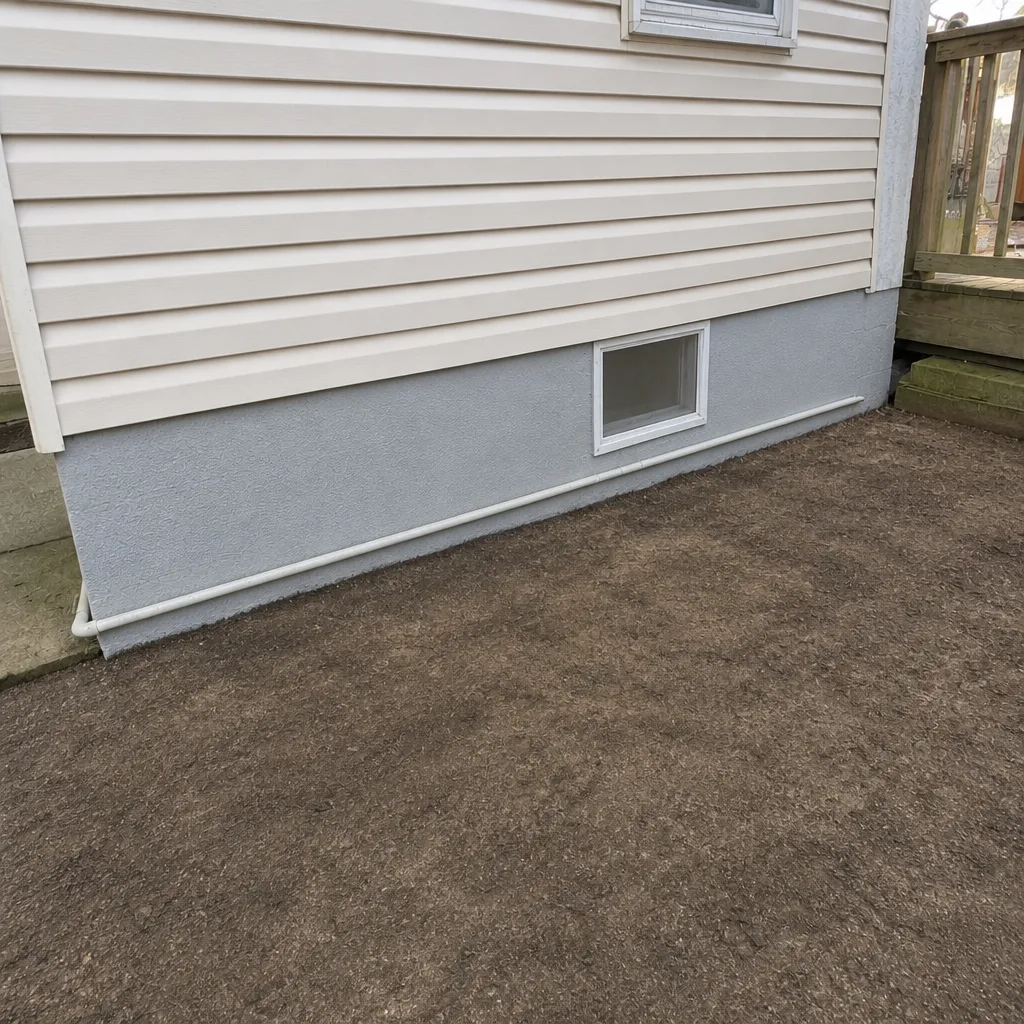 After
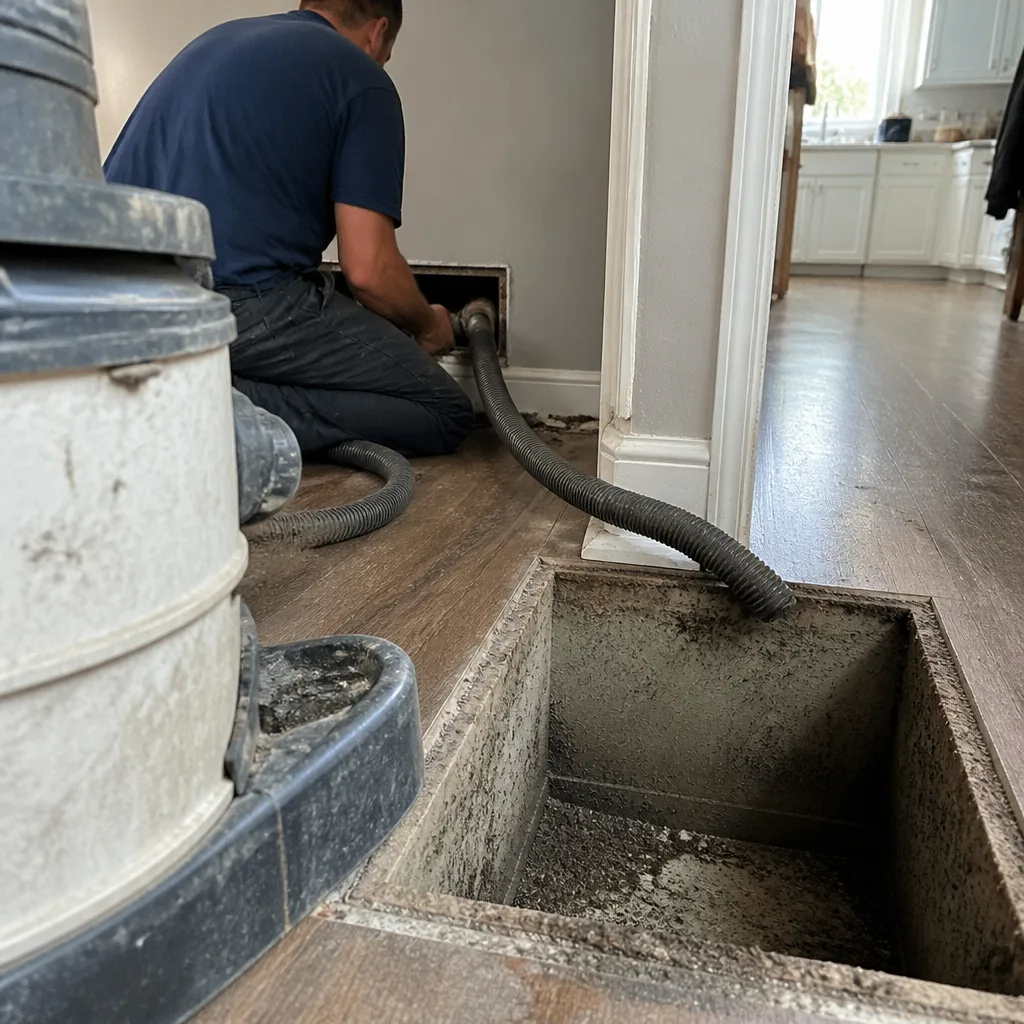 Before
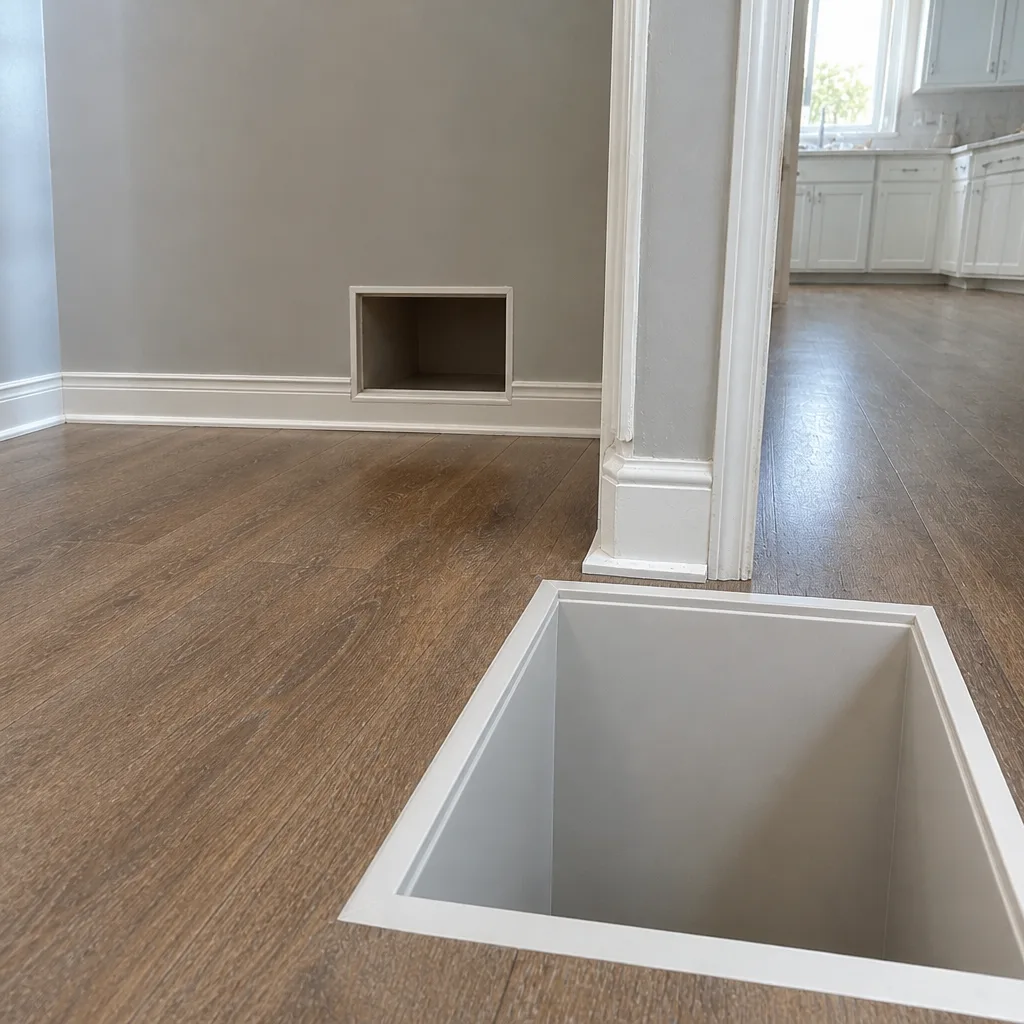 After
When to Call a Professional
Some seasonal duct work is a DIY filter change; some is a phone call. Call a professional if you’ve never had the system cleaned, if anyone in the home has allergies or asthma, if you’ve recently renovated, if you have shedding pets, or if you’re seeing dust blow off supply registers. Call if you’ve noticed visible condensation on ducts in a basement or crawl, or a musty smell that returns after cleaning. Call if some rooms never heat or cool properly, because that’s often a duct repair issue rather than a cleaning one. Thrive Air Duct Cleaning offers free estimates in Louisville. Call (866) 875-5603 and we’ll tell you what your system actually needs this season. See the difference before we leave.
Frequently Asked Questions
For most Louisville homes, twice a year during the seasonal transitions, late fall and late spring, is the right rhythm. Homes with no pets, no allergies, and no recent renovation can often get by with the fall cleaning plus disciplined filter changes. The seasonal timing matters more than the raw number: a clean before heating season does more for your air than a clean in the middle of winter.
Fall is the more important of the two. Clearing the system before the first sustained heating means the dry furnace air has nothing much to lift all winter. Spring is the useful second cleaning for allergy sufferers and homes with pets, timed after the pollen peak. If you can only do one per year, late October into early November is the window.
Louisville’s spring pollen load is heavy, and the filter is the first thing that catches it. A filter that lasts 8 weeks in winter can load up in 4 to 6 weeks during spring. If you have pets or allergies, shorten that further. That’s normal for the season, not a sign something’s wrong with your system.
Some condensation on cold ducts in a humid Louisville summer is common, but ducts that stay wet are a problem worth addressing. Wet duct lining holds dust and doesn’t dry properly. A fall cleaning plus a look at the ducts in unconditioned spaces is the right response. If a moisture problem turns out to be beyond ductwork, we’ll tell you so.
Yes, especially when you clean at the right time. A fall cleaning before heating season means the system starts the heavy-use months clear, and that’s a visible difference in dust and air quality through the winter. Cleaning at a random time of year makes far less difference. Timing is the lever here.
A shop vac can’t contain the dust it disturbs, so it tends to push contamination back into the house rather than removing it. Professional-grade equipment, including Rotobrush and Nikro systems, is built to capture what it loosens. Cleaning is about removal, and removal requires containment. That’s the difference that matters.
The Bottom Line
Louisville’s four seasons each leave something different in your ductwork: pollen in spring, humidity in summer, debris in fall, and dry loose dust in winter. Timing your cleaning around those transitions, rather than following a flat annual reminder, is how you actually protect indoor air quality. Clean in late fall before the furnace runs. Clean again in late spring after the pollen peak if your home needs it. Change filters by season, not on a 90-day rule. Watch humidity in the summer and inspect for damage before heating season. And when cleaning isn’t enough, repair the root cause in the same visit. Filters, temperature, humidity, and duct integrity all work together, and every one of them responds to timing.
If you’re not sure which season is the right one to book, call and we’ll tell you honestly. Call (866) 875-5603 for a free estimate from Thrive Air Duct Cleaning. We answer 24/7, with fast dispatch from 7am to 7pm, Sunday through Friday. We clean it, we repair it, we clear it, and we show you the difference before we leave.
Written by the team at Thrive Air Duct Cleaning.