
Last updated November 14, 2026
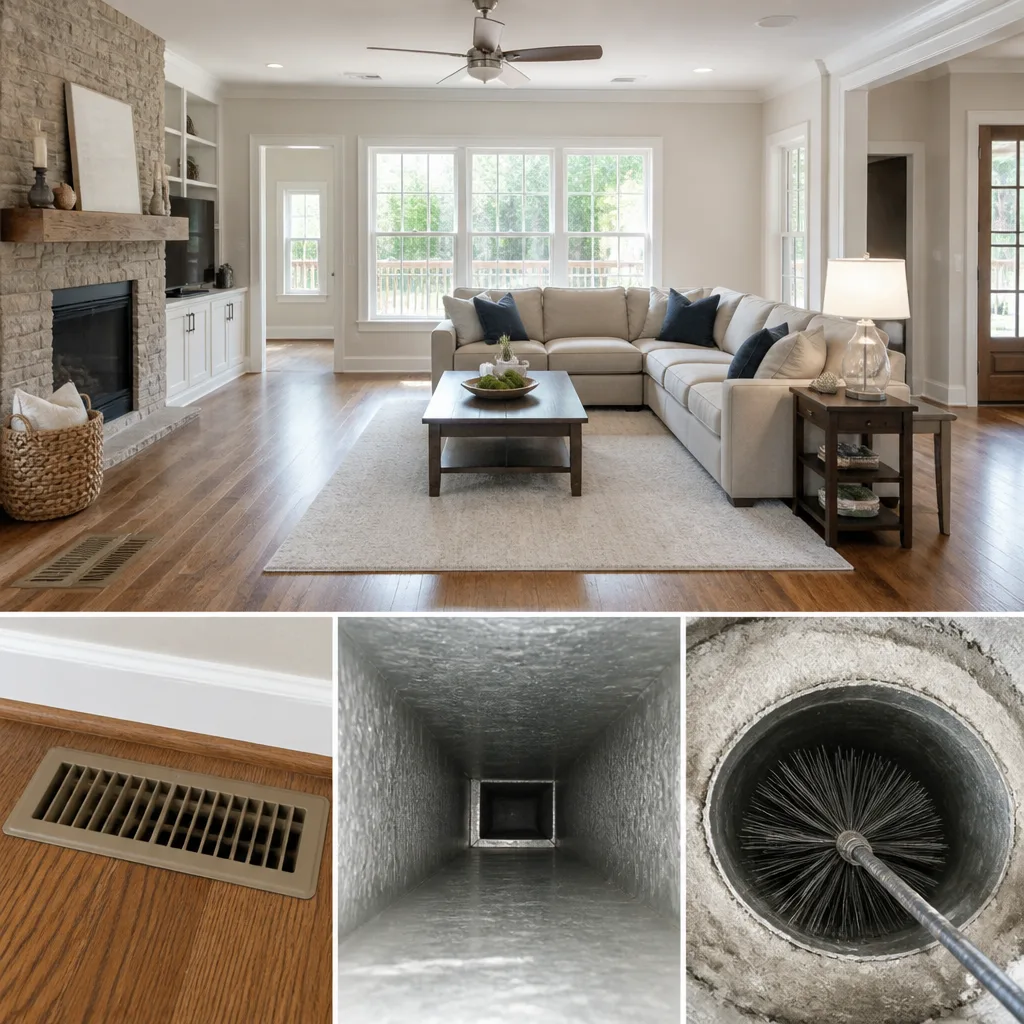 Whole-home duct cleaning
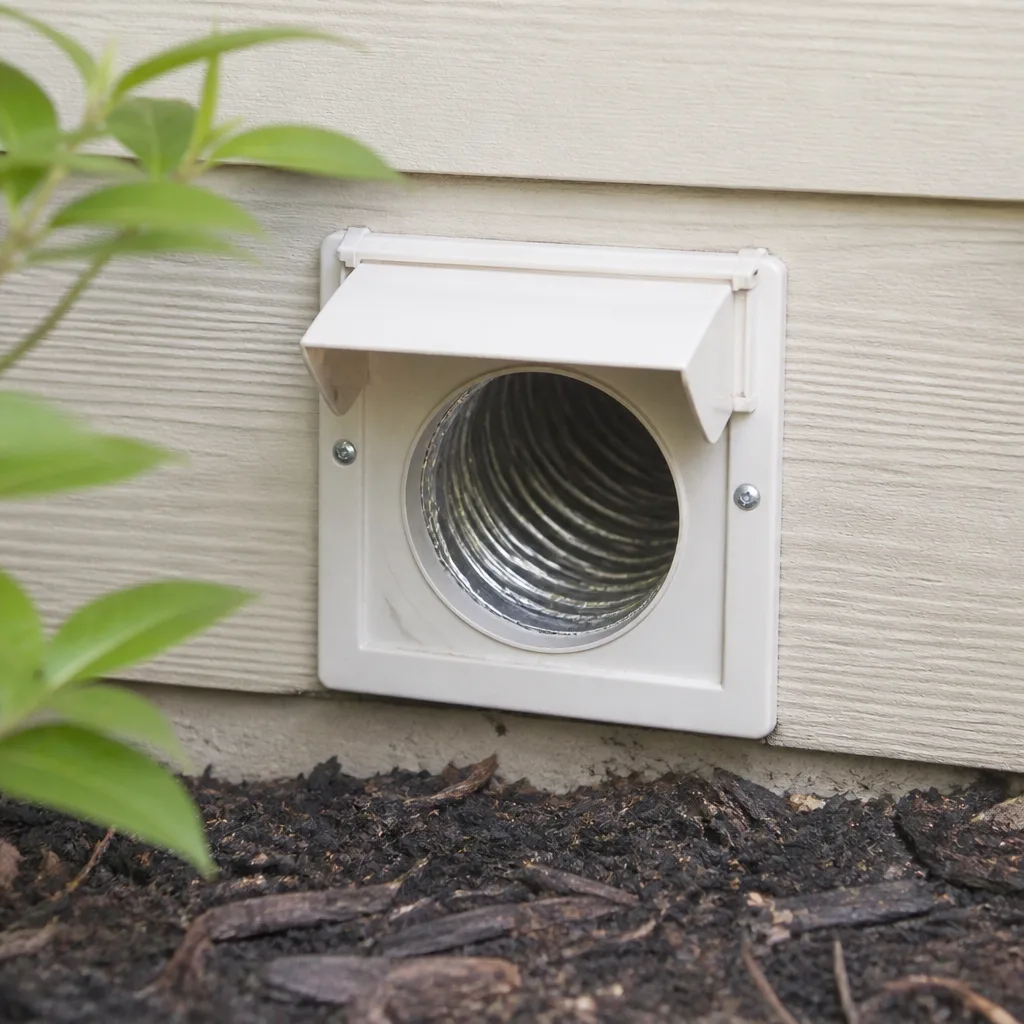 Dryer vent cleaning
 Camera inspection
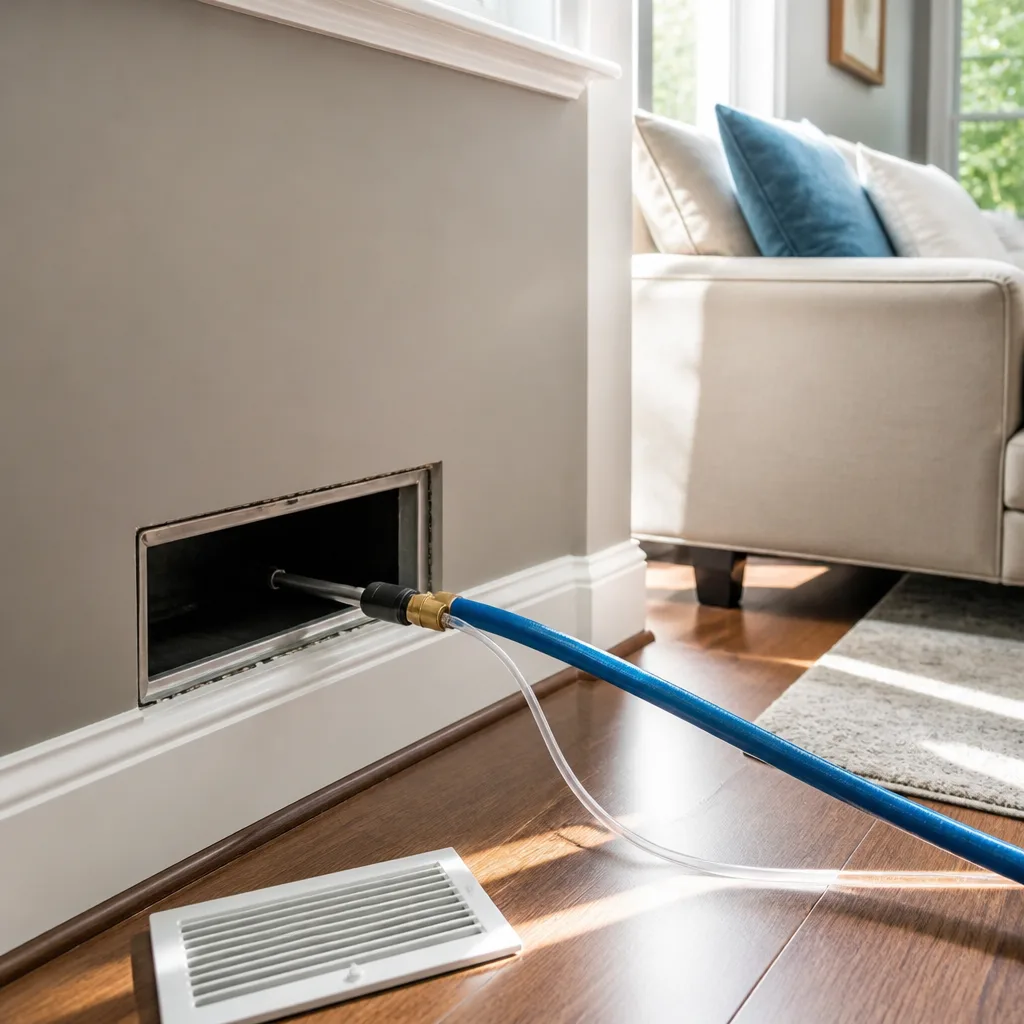 Sanitizing & deodorizing
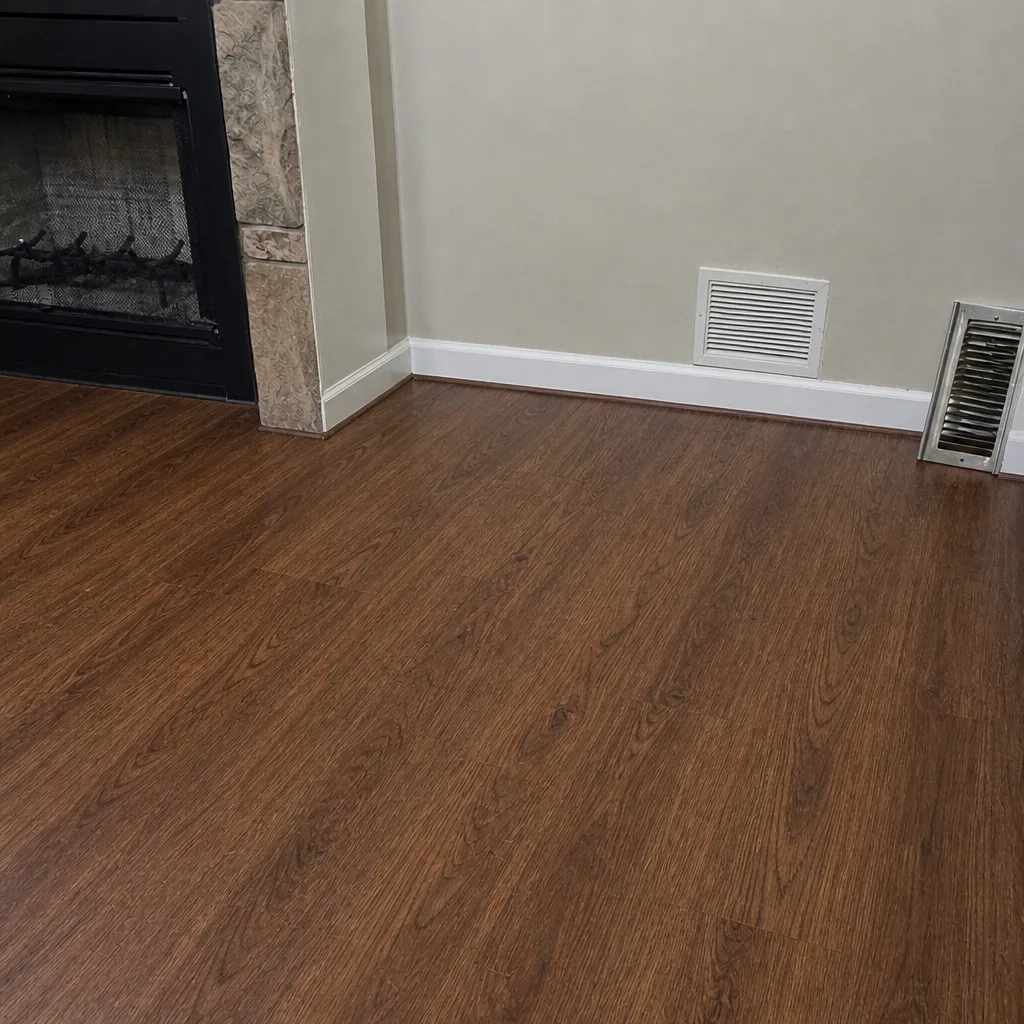
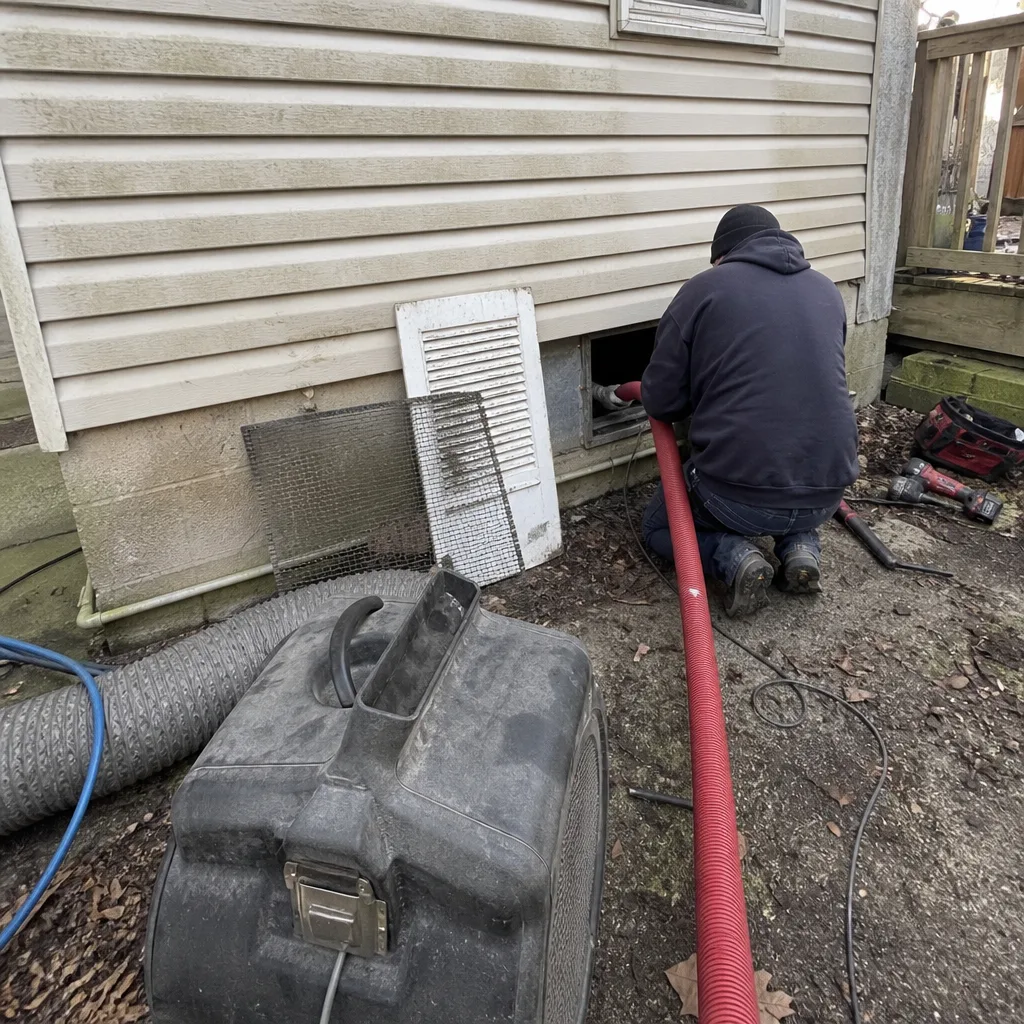
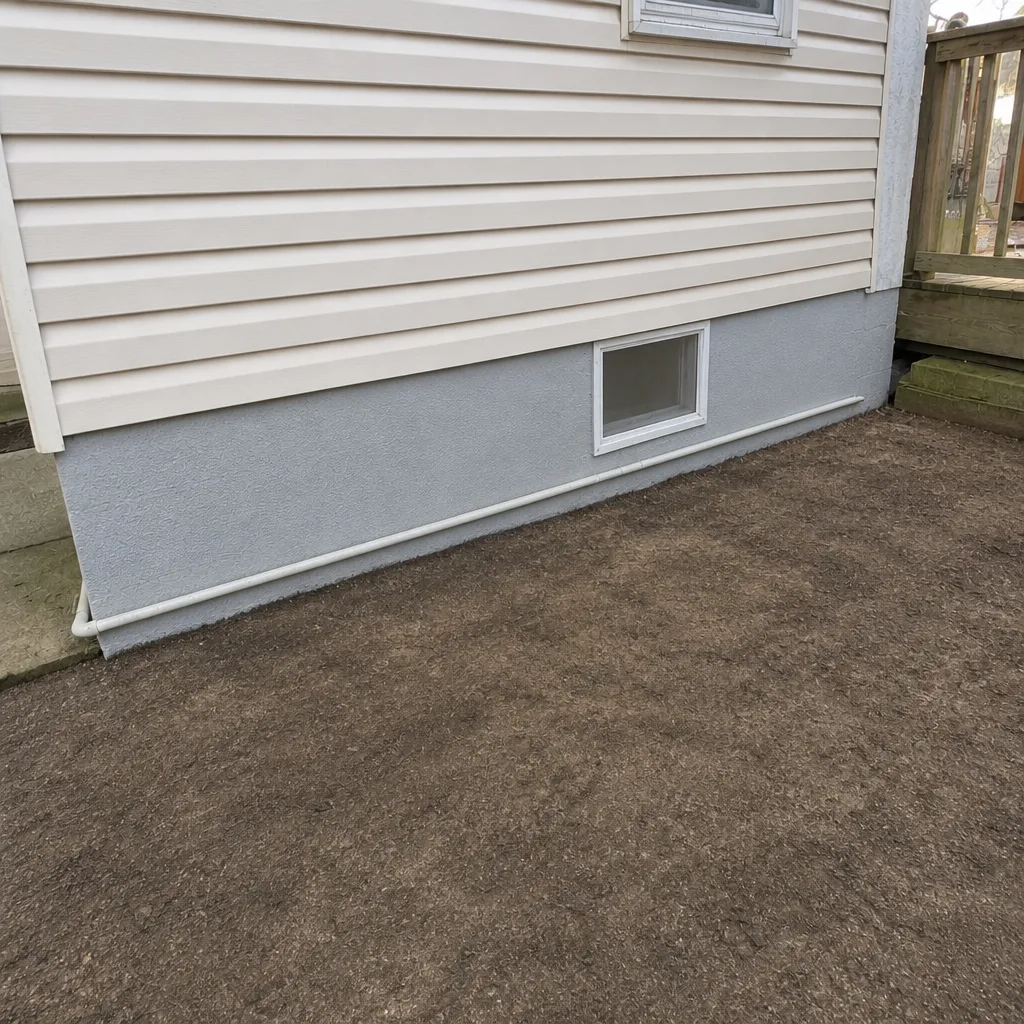
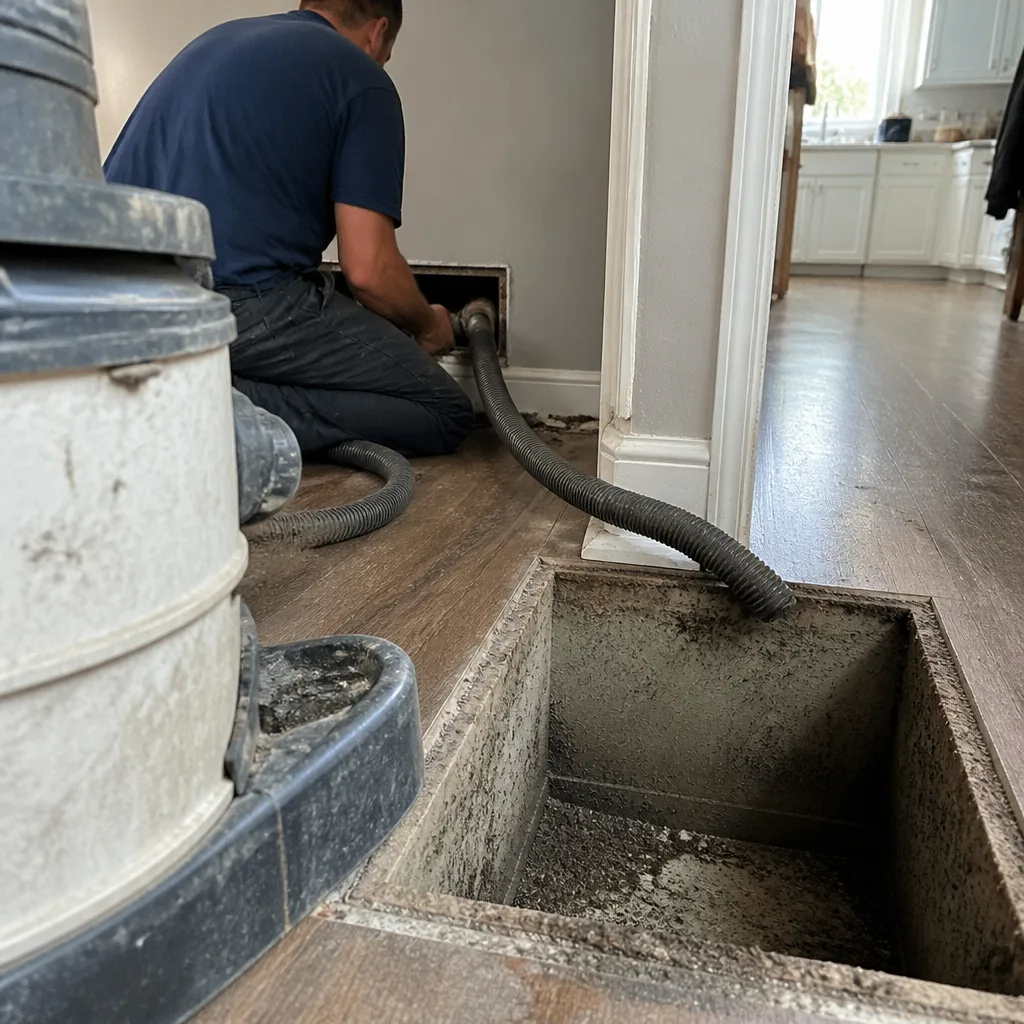
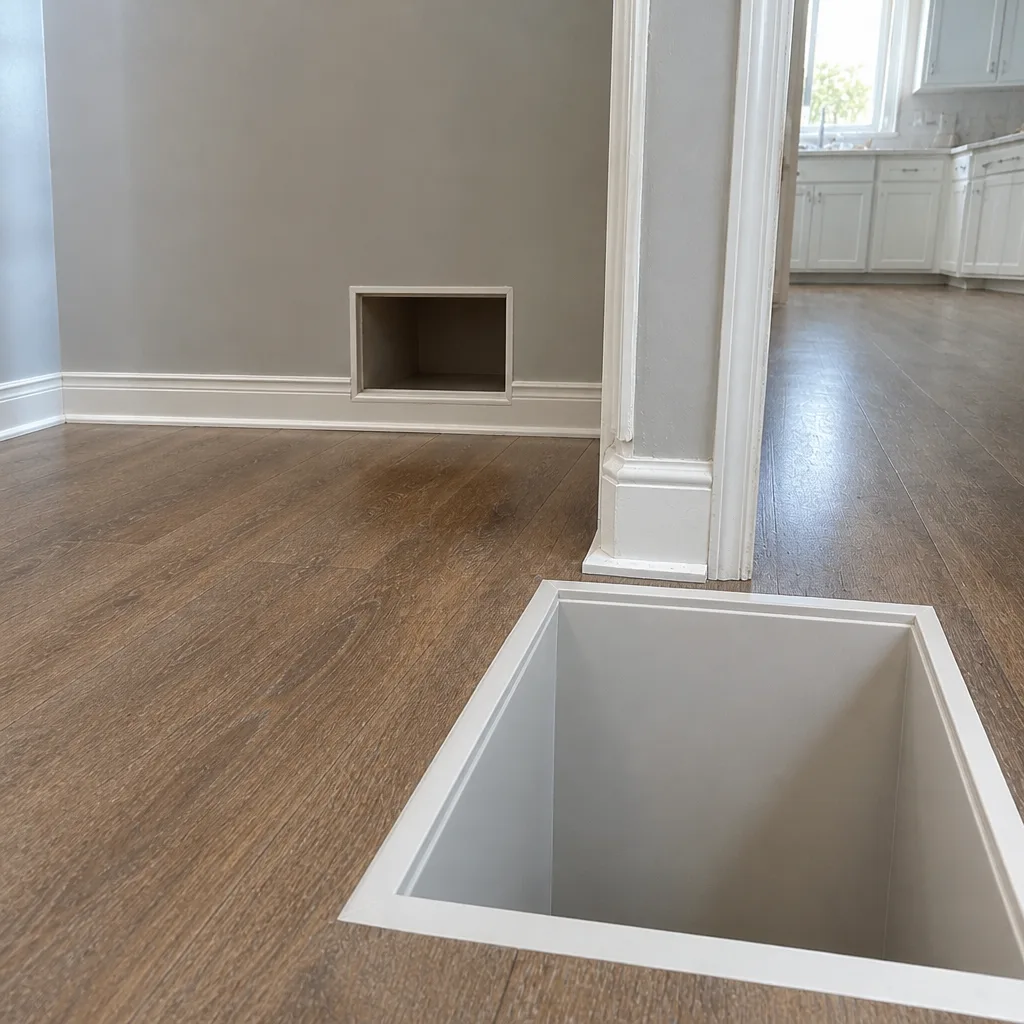
Whole-system duct and dryer vent check with before-and-after photos - you see exactly what came out of your vents
That "$99 whole-house special" is a bait ad - the real number appears once they are in your hallway, or the "clean" is a shop-vac at the register. We photograph the inside of your ducts before and after instead.
Air Duct Cleaning Emergency Preparedness Guide for Louisville Homes
Most homeowners in Louisville treat ductwork as an afterthought until something forces the issue. Here’s the counterintuitive part: the moment right after a storm is when your ducts are most vulnerable to lasting damage, and it’s also the moment when most people make their worst decisions about them. Turn the system back on too soon after an ice storm cracks a roof jack or a tornado peels back a soffit, and you can pull insulation fibers, water, and outdoor debris deep into runs that were clean a week ago. Wait too long, and a damp basement flood becomes a mold problem inside the ducts themselves. This guide walks through how Louisville’s tornadoes, ice storms, and flooding each stress your ductwork differently, when cleaning is enough and when it isn’t, how to document damage for an insurance claim, and what a realistic post-storm timeline actually looks like.
Quick Answer
After a storm, flood, or ice event in Louisville, don’t run your HVAC system until the ductwork has been inspected for breaches, standing water, and debris intrusion. Surface debris and water can often be resolved with professional cleaning and drying, but duct runs that have been submerged or colonized by mold usually need replacement. Document everything with photos, notes, and a contractor report before any cleaning starts so your insurance claim has a paper trail.
Styles & brands we work with
- Whole-home duct cleaning
- Dryer vent cleaning
- Camera inspection
- Sanitizing & deodorizing
Table of Contents
- Why storm damage hits ductwork hardest
- How tornadoes, ice storms, and flooding each affect your ducts
- The rule that matters most: don’t run the system after a breach
- Post-flood protocol: cleaning versus replacement
- How to document duct damage for insurance
- Response timelines and what to expect in Louisville
- Staying comfortable while you wait for service
- Preparing your ducts before the next storm
Why Storm Damage Hits Ductwork Hardest
Ductwork is the one part of your home’s air system that’s almost entirely hidden, which means it takes the longest to notice when something goes wrong. A damaged roof gets a tarp the same week. A breached supply run buried above a ceiling might not show any sign at all until you notice a musty smell, a wheeze in the vents, or an allergy flare-up that won’t quit.
In Louisville, we’ve seen duct systems take on problems from three directions after a weather event. From above, roof and soffit damage lets wind-driven rain and insulation get into attic runs. From below, basement and crawlspace flooding soaks flex duct, plenum connections, and floor boots. And from outside, the pressure change of a tornado or severe straight-line wind can compromise sealant at joints, flex duct connections at the plenum, and return chases in ways that aren’t visible until air starts moving through them again.
The reason this matters for indoor air quality is simple: anything that enters a breached duct gets distributed throughout the house every time the system runs. Insulation fibers, drywall dust, lawn debris, and water vapor don’t stay put. They ride the airflow into bedrooms, kitchens, and living rooms. That’s why the first inspection after a storm is really about containment, not cleaning.
One more factor Louisville homeowners often miss: the spring and fall window when severe weather tends to arrive lines up with the season when HVAC systems are cycling most. That means a damaged duct that sits unnoticed for a few weeks gets dozens of activation cycles before anyone calls about it. Catching contamination early is almost always less involved than dealing with it after weeks of circulation. You can see the full scope of what our air duct cleaning service covers if you want to understand the inspection piece before something happens.
How Tornadoes, Ice Storms, and Flooding Each Affect Your Ducts
Not all storm damage is the same, and the fix depends on which event you’re dealing with. Louisville sees all three of the events below, and each one leaves a different signature in your ductwork.
Tornado and severe wind events
Wind events are structural for ducts. The damage isn’t debris blowing into a vent – it’s the system pulling apart at the connections. Flex duct that’s been pulled tight for years can slip off a plenum or collar when a roof shears or an attic truss shifts. Sealant at hard-duct joints cracks. Return chases in older Louisville homes get pulled out of alignment. The visible structure can look fine while the duct has a gap of several inches hidden above the ceiling.
Debris intrusion is the secondary concern. Lifted shingles, attic insulation, and blown-in dust all end up in the highest pressure zones of the system, which are almost always the return side.
Ice storms
Ice events bring a slower, wetter kind of damage. The weight of ice on a roof can crack a roof jack or separate flashing where the condensate line or furnace flue exits. The water that gets in then finds its way down into ceiling runs, dampening insulation, sealant, and duct wrap. Ice damming along the eaves does the same thing from a different angle. Because the leak is slow, the duct can stay wet for days before anyone notices – and that’s when mold colonization starts.
Basement and crawlspace flooding
Flooding is the most serious of the three for indoor air quality. Flex duct, plenum boots, and the lower runs of a basement system can sit in standing water for hours, absorbing moisture into the duct lining and flex material. Once that material is saturated, it’s very difficult to dry thoroughly enough to prevent mold. Floor boots that fill with water also carry silt and sediment that gets pushed through the whole system the moment the HVAC turns back on. If you want the wider picture on moisture and ductwork, our Thrive Air Duct Cleaning overview explains how the three services – cleaning, repair, and dryer vent work – fit together.
The Rule That Matters Most: Don’t Run the System After a Breach
This is the hardest thing to ask of anyone after a storm, because it’s the week you most want your home to feel normal. Turn the HVAC on, though, and you’re doing two things at once: pulling outside air and debris directly into your ductwork, and pushing water that’s sitting in a duct run into the rest of the system. Both are far more expensive to fix than the disruption of a few cool nights.
Here’s how to handle the wait in order:
- Shut the system down at the thermostat if you know or suspect roof, attic, basement, or crawlspace damage. Don’t cycle it “just to see” if it still works.
- Close the vents and registers in the affected zones if you can safely reach them. This limits the pathway between a contaminated run and a clean room.
- Poke your head into the attic or basement only from a safe, dry spot and look for visible standing water, sagging flex duct, or insulation that’s clearly wet. Don’t climb into a damaged attic – that’s a job for a trained inspector.
- Document what you see with photos and notes before anyone touches the ductwork. More on that below.
- Call for an inspection before you turn anything back on. A proper check includes the plenum, boots, flex runs, and return chases – not just the registers you can see from inside.
If the weather is extreme and the house would be unlivable without HVAC, the safest temporary answer is usually a portable room AC or space heater for the affected rooms rather than running the central system. Get the inspection scheduled and treated as urgent so the wait is short.
One more thing worth flagging: never run a system that has water actively in the ducts, even briefly. That’s the scenario where mold can take hold within days, and a duct that could have been cleaned becomes one that has to be replaced.
Post-Flood Duct Protocol: Cleaning Versus Replacement
The single question that decides most post-flood duct jobs is this: did water reach the ducts, and did the material stay wet long enough to grow mold? That’s the fork in the road between a cleaning job and a replacement job.
When cleaning is sufficient
- Water reached the basement or crawlspace but not inside the ductwork
- Debris, silt, or dust got into the ducts but the material stayed dry
- Flex duct got splashed but not submerged, and it’s been dried within a short window
- Mold isn’t present, and there’s no musty smell inside the ducts
- The duct material is sound – no crushed runs, no separated joints, no visible mold growth
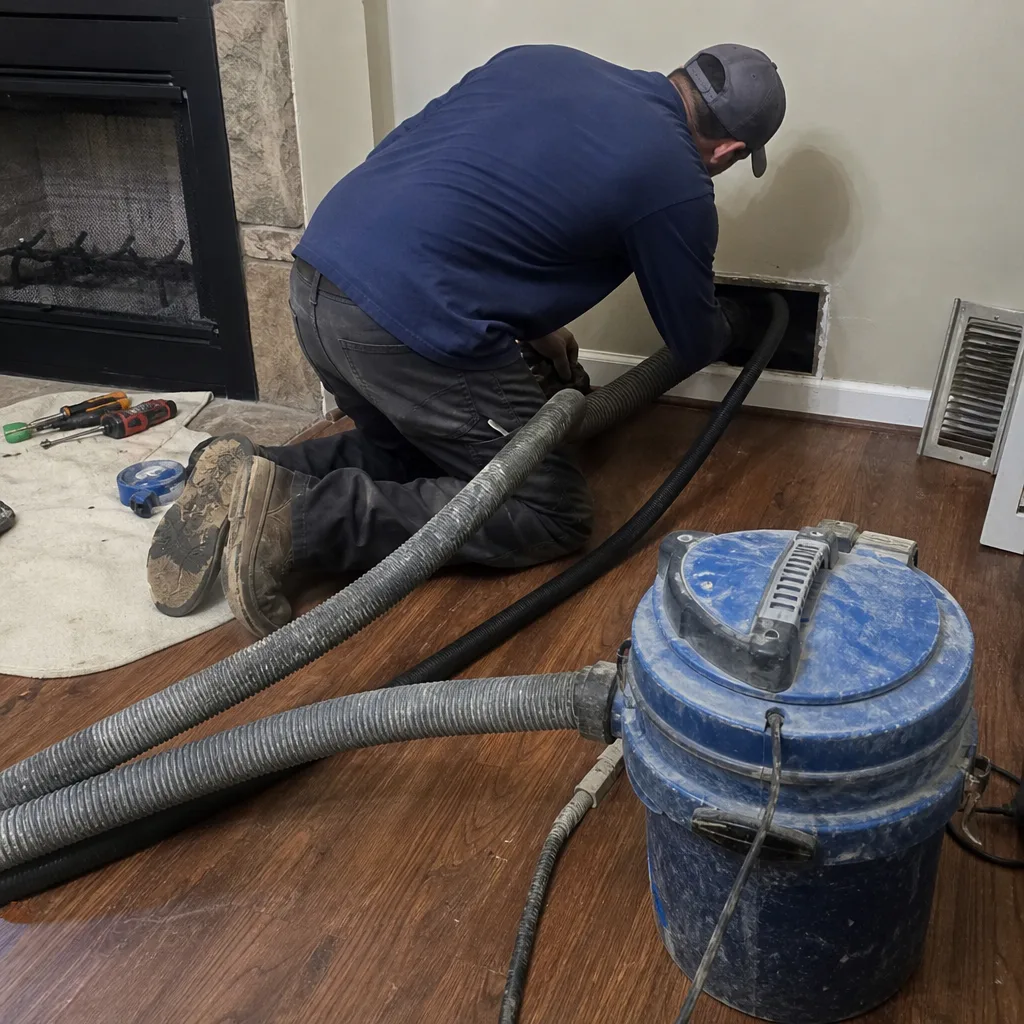
In these cases, professional-grade equipment matters. Pro-grade vacuums with HEPA filtration and agitation tools lift sediment out of flex and sealed duct, and containment equipment keeps the disturbance from spreading contamination into the rest of the home during the work. The same systems used on restoration jobs – Rotobrush or Abatement Technologies equipment, for instance – are what a real post-flood clean requires.
When replacement is the right call
- Duct runs were fully submerged or sat in standing water for hours
- Mold has visibly colonized the duct lining or flex material
- The smell doesn’t leave even after a cleaning pass
- Flex duct is porous and has taken on water – it can’t be reliably dried
- Runs are crushed, detached, or physically compromised by the event
Replacing individual runs is often cheaper and more effective than trying to clean duct material that has already been colonized by mold. It also protects the rest of the system: once a run is replaced, downstream contamination stops spreading. If you want to understand what the cleaning side looks like in detail, and why a whole-system approach matters for Louisville homes, the same logic applies to your dryer vent cleaning – saturated material on that side is always a replacement call, never a cleaning one.
How to Document Duct Damage for Insurance
Insurance claims for duct damage succeed or fail on documentation, and we’ve seen more than a few Louisville homeowners lose out because the ductwork was cleaned before anyone had a chance to record the state it was in. The rule is straightforward: document first, clean second.
Here’s what to gather in the first 24 to 48 hours:
- Photos of the water line. If there was standing water in the basement or crawlspace, photograph the high-water mark against a fixed object (drywall, foundation wall, support post) before it dries.
- Photos of any visible duct damage. Sagging flex duct, separated connections, crushed runs, and visible water in floor boots all deserve close-up shots with something for scale.
- A written timeline. Note when the event happened, when you noticed each issue, and when you shut the system off. Dates and times matter to adjusters.
- A contractor report. A written report from an inspection that lists each affected run, describes the condition, and recommends either cleaning or replacement is far more persuasive than photos alone.
- Receipts and records for any temporary measures. Room AC units, fans, dehumidifiers, and similar items used while the system was shut off belong in the file.
- Before-and-after documentation of any cleaning done after the claim is opened, so the adjuster can see what was removed and what was left.
One extra note specific to Louisville: Jefferson County homes with finished basements often have ductwork routed through soffits or chases that take on water without any interior sign. Ask your inspector to check those runs specifically before ruling them out.
Response Timelines and What to Expect in Louisville
After a major weather event in Louisville, the honest answer is that duct inspection and cleaning get busy. When tornadoes cross Jefferson County or an ice storm knocks out power across a wide area, every HVAC and duct company in the region fills up, and the homes with active water in the ducts need to come first. Here’s what a realistic timeline looks like in order of priority.
First 24 hours
- Shut the system down. Document everything.
- Call your insurance company to open the claim if there’s visible water damage.
- Call a duct specialist to schedule an inspection.
Days 2 through 7
- Inspection. This is when you find out whether the fix is cleaning or replacement.
- If replacement is recommended, get the contractor report into the insurance file before scheduling the work.
- If cleaning is the call, get it scheduled. The sooner the better – a dry duct with debris in it can stay a dry duct with debris in it, but a damp one doesn’t wait.
Weeks 2 through 4
- Most cleanings and simpler replacements can be completed in this window outside of a mass-damage event. During a regional event, delay is normal and not a sign your provider is dropping you.
For Louisville homes, one detail is worth knowing: calls come in fastest from the east side of the city after a wind event, because that’s where a lot of older housing stock sits under mature trees. If you’re in that kind of neighborhood, expect a service queue that reflects it, and plan your temporary comfort measures for a longer window.
We answer 24/7. Fast dispatch from 7am to 7pm, Sunday through Friday. If you’re navigating the timing while waiting, you can Louisville based scheduling questions go through the same number as everything else.
Staying Comfortable While You Wait
The wait between “system off” and “ducts inspected” is where most people give in and turn the HVAC back on. You don’t have to. There are ways to keep a Louisville home livable for a few days without risking the ducts.
- Use room AC units and box fans in the rooms you actually live in. Close doors between conditioned and unconditioned zones to contain the effect.
- Seal off floor vents in the affected zone with plastic sheeting and painter’s tape if the vents are feeding rooms that are usable.
- Run a standalone dehumidifier in the basement or crawlspace if it flooded. Drying that space fast is the single most effective thing you can do to protect the ductwork that runs through it.
- Don’t open windows to “air out” a house next to a torn-up yard. Outdoor debris is exactly what you’re trying to keep out of the ducts right now.
- For heat, use space heaters safely – plugged directly into a wall outlet, kept clear of fabric and furniture, away from water. Don’t run a fuel-burning heater indoors.
If the weather is truly extreme and no amount of room-level equipment will do, call a specialist and treat it as urgent rather than running the system blind. Depending on where the breach is, some duct systems can be run with specific zones closed off; that’s a decision for the inspector, not a guess.
Preparing Your Ducts Before the Next Storm
The best time to prepare ductwork for a Louisville storm is months before it happens. Regular professional cleaning isn’t only about the air you’re breathing now; it also means that if a storm does breach your system, there’s less baseline debris to get caught up in the contamination.
A few useful habits:
- Know where your ductwork runs. Note every attic, basement, and crawlspace path so that after a storm you can check the affected zones quickly.
- Keep photos of the system on file. A clear “before” photo from a routine cleaning appointment is a strong reference for any insurance adjuster.
- Fix small duct leaks now. A duct with a poor seal is a duct that will pull in outdoor air the moment the roof is compromised. Repair before the next storm is easier and cheaper than repair after.
- Have an air-quality plan for the interim. A portable air purifier and a small room AC go a long way when the central system is off.
- Enroll your ducts in a regular cleaning rhythm – the homes that come through storms best are usually the homes where duct contamination was already limited going into the event.
The same logic applies to your dryer vent side. Saturated lint in a dryer vent is a fire hazard, and the best time to have it cleaned is well before a storm hits. A single call can cover all three of our services, and it’s a cheaper habit than a post-storm emergency.
Common Mistakes to Avoid
- Running the HVAC “just to see if it works” after a breach. Every cycle moves debris and water deeper into the system. If you suspect a breach, keep the thermostat off until an inspector has looked at the ducts.
- Cleaning the ducts before documenting. An adjuster can’t evaluate a claim on a duct that’s already been vacuumed. Photograph, note, and get a contractor report first, then clean.
- Assuming the roof is the only thing to check. Louisville’s finished basements and crawlspaces are where ductwork often takes the real damage. Visible interior damage doesn’t tell you whether the ducts took on water.
- Trusting a coupon crew with a shop vac for a post-flood job. Surface-level vacuuming doesn’t remove silt from flex duct or contain mold spores. Post-flood duct work needs professional-grade equipment and proper containment.
- Running a system that sat in standing water for hours. Water in the ducts means mold is a matter of days, not weeks. Get an inspection before the system runs again.
- Cleaning porous flex duct that was submerged instead of replacing it. Saturated flex material can’t be reliably dried. Replacement of the affected runs is often less expensive than a repeated cleaning attempt.
- Waiting for the next storm to check on duct health. Ducts that were already loaded up with debris before the storm get far worse after. Pre-storm cleaning is cheap insurance against post-storm contamination.
See the difference
 Before
 After
 Before
 After
 Before
 After
When to Call a Professional
You should call a duct specialist the moment any of the following is true: your system was running when a breach happened; a basement or crawlspace duct run sat in standing water; you smell something musty in a specific room or from a specific register; visible flex duct is sagging or disconnected; a floor boot filled with water; or your allergy symptoms got noticeably worse after a weather event. These are the calls that can’t wait for a “next cleaning” appointment.
Thrive Air Duct Cleaning offers free estimates in Louisville for air duct cleaning, dryer vent cleaning, and duct repair – all three handled by the same team, so a single visit can resolve multiple post-storm issues at once. Our technicians have up to 10 years of experience, and we use professional-grade equipment from Rotobrush and Abatement Technologies, the same systems restoration contractors rely on. Call (866) 875-5603 for a free estimate. We answer 24/7. Fast dispatch from 7am to 7pm, Sunday through Friday.
Frequently Asked Questions
No. What you can see from the vents tells you almost nothing about what’s happening in the flex runs, plenum connections, or return chases. If the home flooded at the basement or crawlspace level, or if the roof was breached, keep the system off until an inspector has checked the hidden runs. Running it first is how surface debris gets distributed through the whole house.
Mold can start colonizing wet duct lining and flex material within a few days, especially in Louisville’s humid months when indoor moisture stays elevated. That’s why drying the affected space quickly – and getting an inspection fast – matters. Duct material that was only damp for a short window can often be cleaned and dried; material that sat wet for a week usually has to be replaced.
It depends on the policy and the event, and every claim is different. What helps in every case is thorough documentation: photos of the water line, photos of visible duct damage, a written timeline, and a contractor’s report recommending cleaning or replacement. Cleaning done before documentation is in place usually complicates the claim.
The deciding question is whether water reached the duct material and whether it stayed wet long enough to grow mold. Debris and dry contamination can usually be cleaned. Submerged, saturated, or visibly moldy duct runs are usually a replacement job, because porous flex material can’t be reliably dried. An inspection tells you which situation you’re in.
Any neighborhood with older housing stock under mature trees tends to see the most wind and ice damage – homes on the east side of Jefferson County, older sections of the Highlands, and similar areas where rooflines and attic runs are more exposed. Basement flooding is more about the site than the neighborhood, so lower-lying properties anywhere in the city should be checked first.
Professional-grade equipment with HEPA filtration and containment, plus agitation tools that lift sediment out of flex duct. Consumer blowers and shop vacs don’t operate at the airflow or containment levels a post-flood job requires. Brands like Rotobrush, Nikro, and Abatement Technologies are what restoration contractors and specialist duct cleaners use for these jobs.
The Bottom Line
Louisville’s storms hit ductwork from three angles – wind damage at connections, ice storm moisture in ceiling runs, and basement flooding at floor boots – and each one has its own fix. The rule that matters most is universal: don’t run the system after a breach until the ducts have been inspected. Document before you clean, get a contractor’s report into your insurance file, and let the inspection tell you whether you’re looking at cleaning or replacement. Pre-storm duct health is what decides how well your home comes through the next event. If you’re preparing or recovering, call (866) 875-5603 for a free estimate. We answer 24/7. Fast dispatch from 7am to 7pm, Sunday through Friday.
Written by the team at Thrive Air Duct Cleaning.