
Last updated November 14, 2026
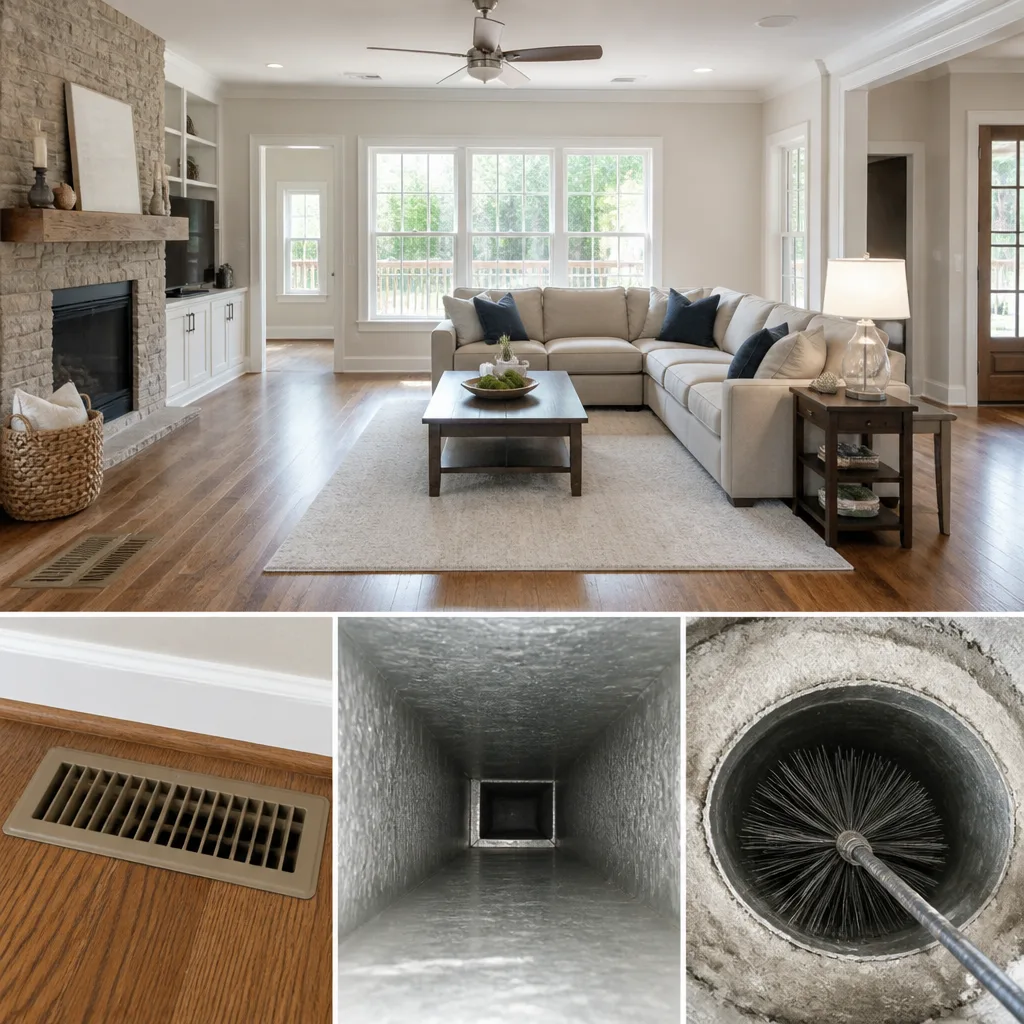 Whole-home duct cleaning
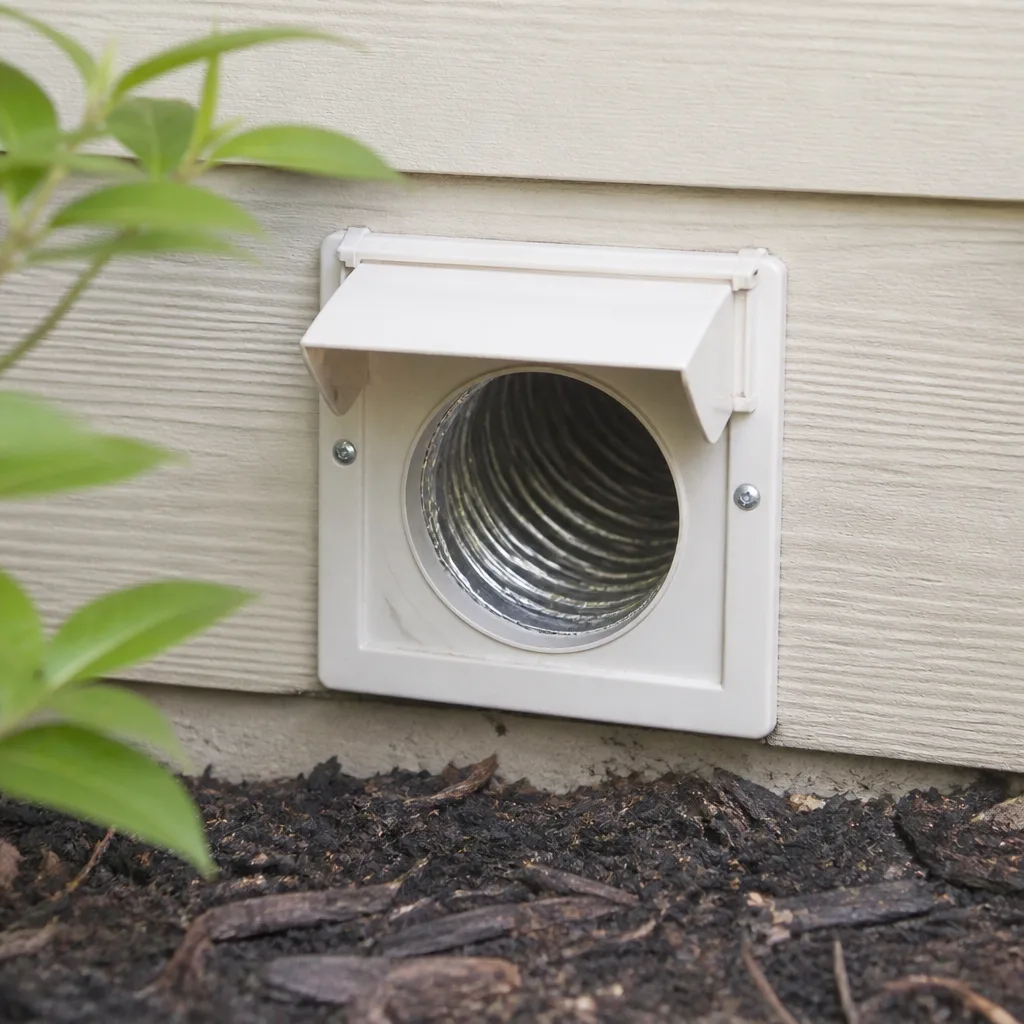 Dryer vent cleaning
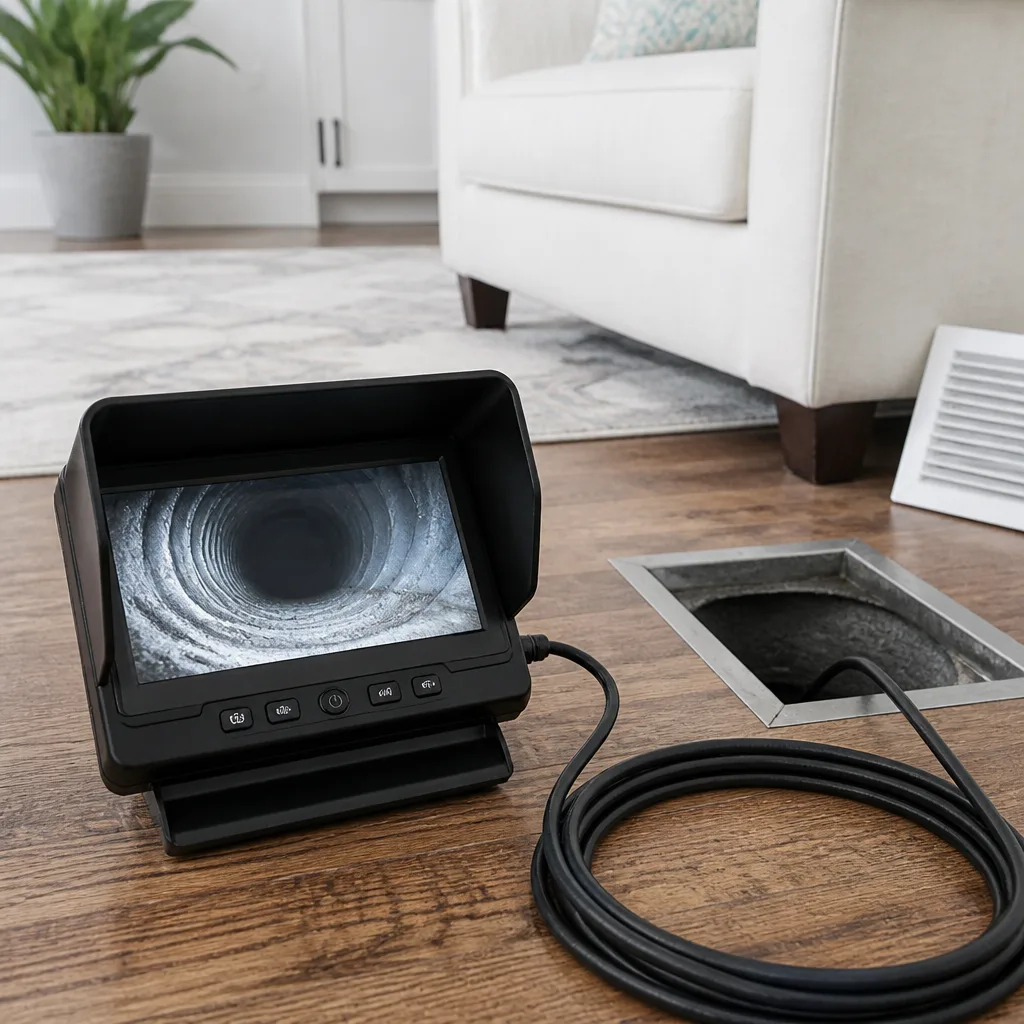 Camera inspection
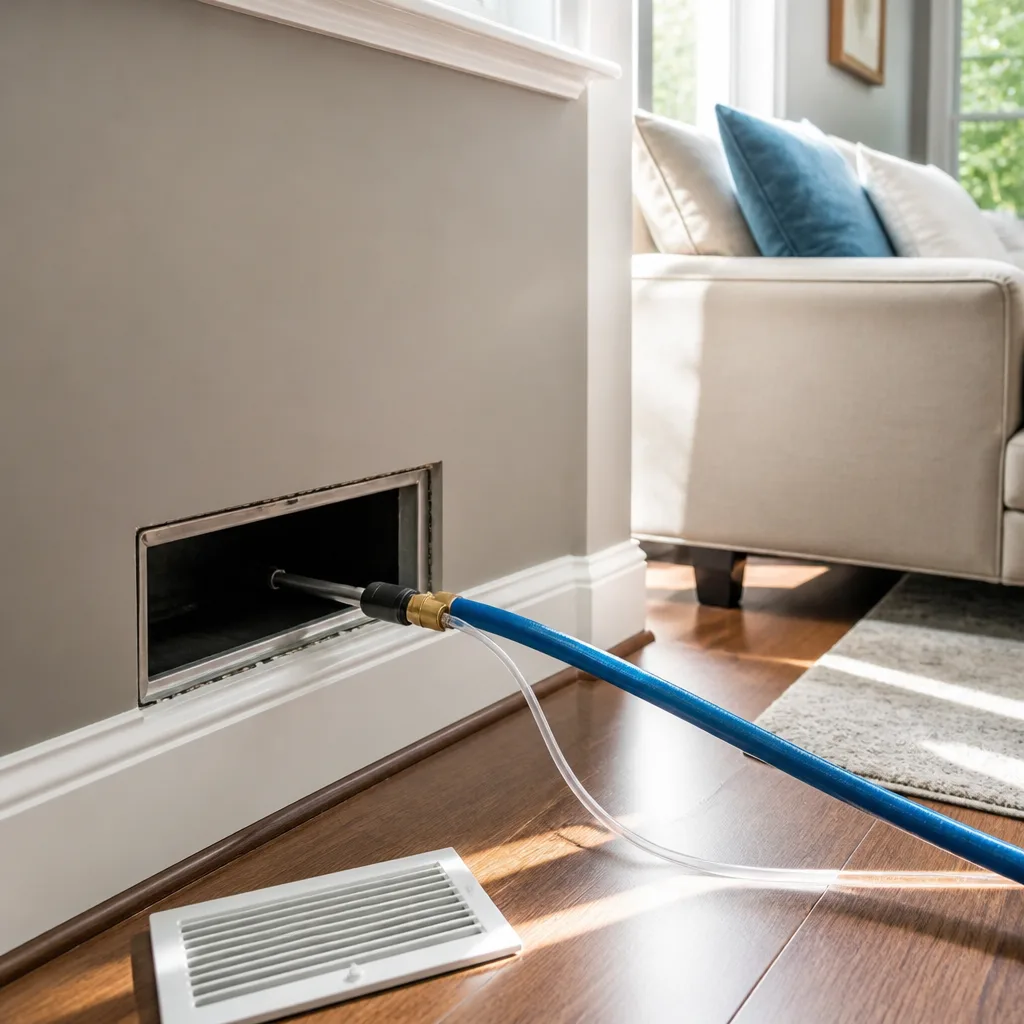 Sanitizing & deodorizing
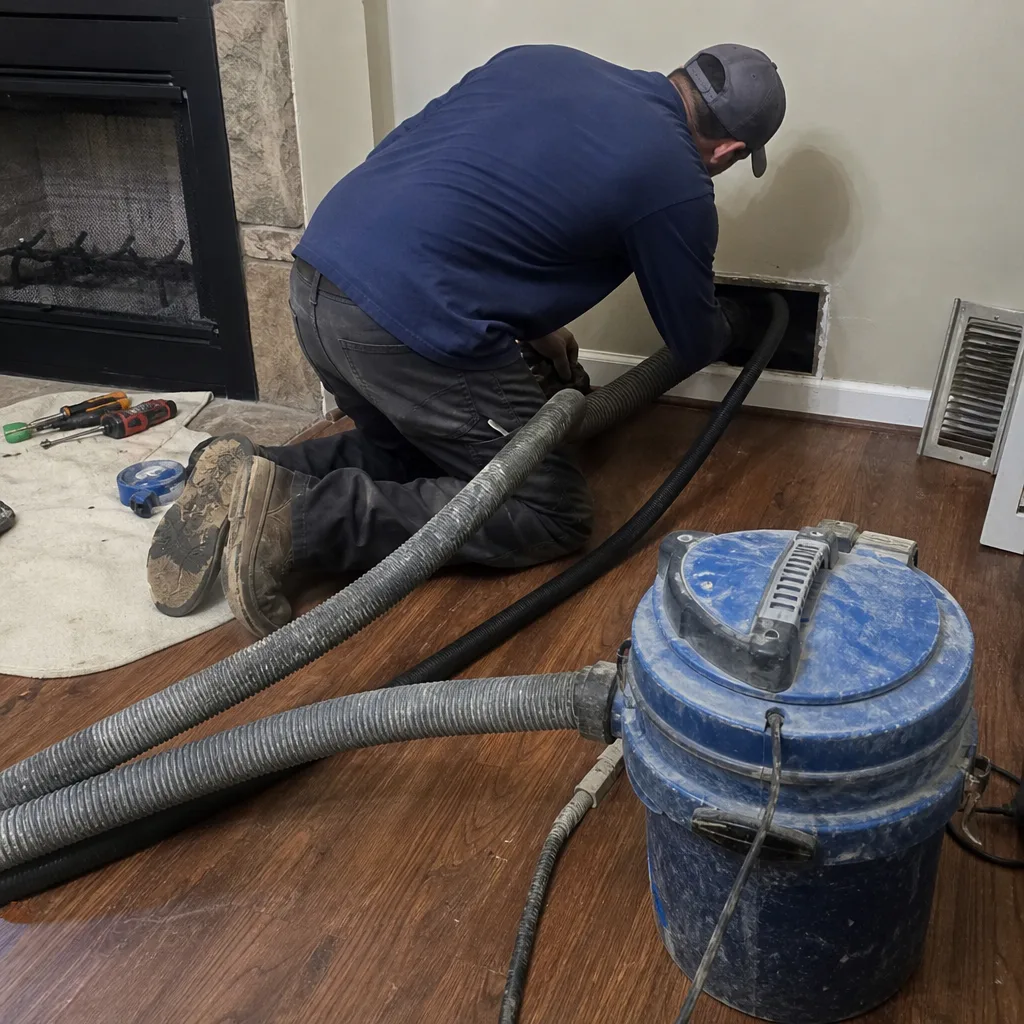
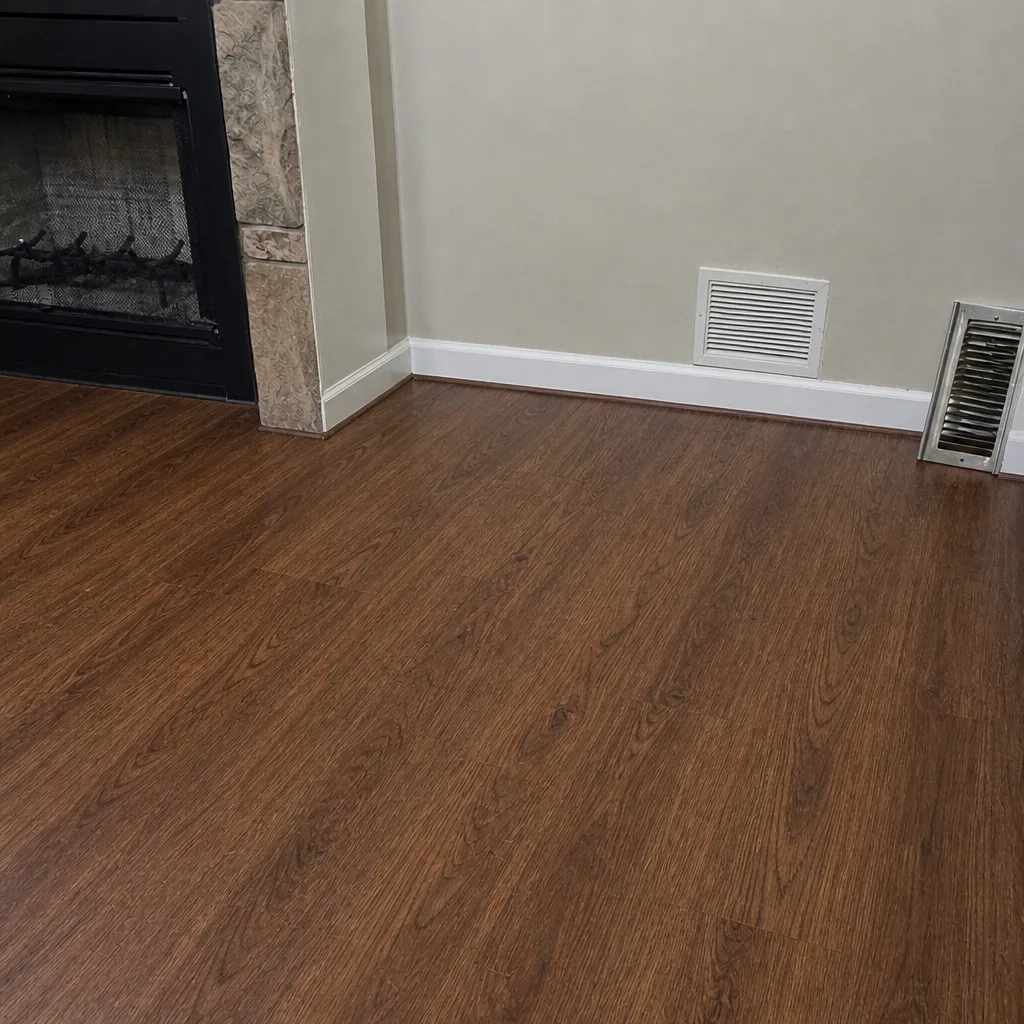
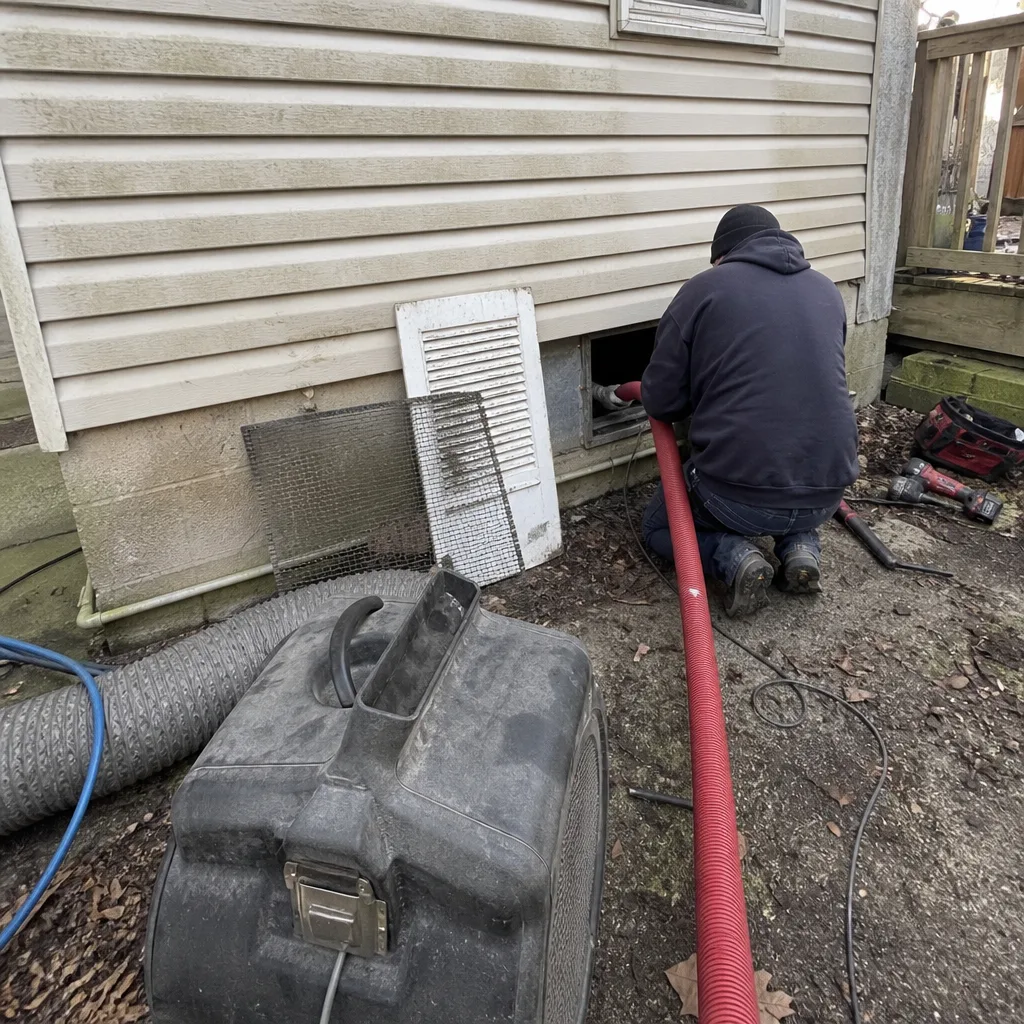
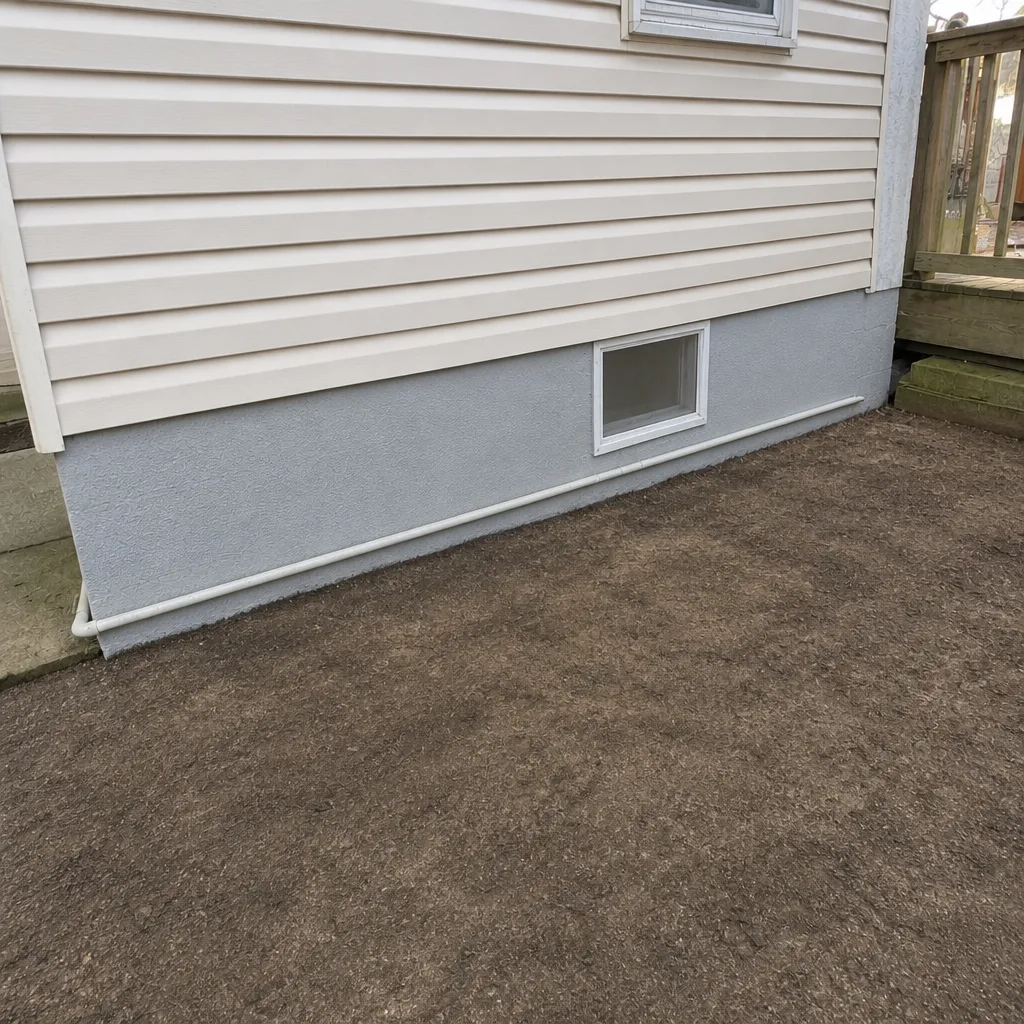
Whole-system duct and dryer vent check with before-and-after photos - you see exactly what came out of your vents
That "$99 whole-house special" is a bait ad - the real number appears once they are in your hallway, or the "clean" is a shop-vac at the register. We photograph the inside of your ducts before and after instead.
Air Duct Cleaning Maintenance Schedule: What to Do and When
The EPA doesn’t publish a fixed cleaning interval for residential ductwork. It says to clean when conditions warrant it. That’s an honest answer, and it’s also the one most duct cleaning companies quietly ignore, because a subscription is easier to sell than a judgment call. Here’s the problem with the generic “every 3 to 5 years” advice: it treats a house with two shedding dogs and a recent kitchen remodel the same as a two-person household with a high-MERV filter changed on schedule. Those are not the same system, and they don’t degrade at the same rate. In Louisville, where spring pollen and fall mold spore counts swing hard, the calendar matters less than what’s actually in your ducts. This guide replaces the generic timeline with a condition-based schedule you can build around your own home.
Quick Answer
Most Louisville homes need professional air duct cleaning every 3 to 5 years, but that’s a baseline, not a rule. Homes with pets, smokers, recent renovation dust, or allergy sufferers in the household often need cleaning every 2 to 3 years, while a clean, well-filtered home with no pets can stretch to 5 to 7 years. The right interval depends on your home’s specific risk factors, not a fixed calendar date.
Styles & brands we work with
- Whole-home duct cleaning
- Dryer vent cleaning
- Camera inspection
- Sanitizing & deodorizing
Table of Contents
- Why There’s No Universal Cleaning Schedule
- The Condition-Based Checklist: Score Your Home
- What to Do Between Professional Cleanings
- Timing Cleanings Around Louisville’s Allergy Seasons
- How Duct Repair and Sealing Extends Your Cleaning Interval
- What a Post-Cleaning Inspection Report Should Document
- Common Mistakes to Avoid
- When to Call a Professional
Why There’s No Universal Cleaning Schedule
A duct system is not a sealed, static thing. It pulls air from your living space, pushes it through a filter, moves it through a network of branches and returns, and dumps it back into rooms where people breathe. Every stage of that cycle introduces variables. The filter catches some particles and lets others pass. The ducts themselves accumulate dust on interior surfaces over time, and the rate of accumulation depends on what’s floating in the air, how often the system runs, and whether the ductwork is sealed properly.
That’s why the “clean every 3 to 5 years” advice you see everywhere is really just an average. It’s a reasonable starting point, but averages hide the homes at either end of the spectrum. A house with three cats and a wood-burning stove isn’t average. Neither is a new construction home where drywall dust settled into the supply trunks before the system was ever balanced.
We’ve seen systems in Louisville that were visibly loaded with dust after two years, and we’ve seen systems that were still in decent shape at the six-year mark. The difference wasn’t luck. It was the combination of pets, filtration, renovation history, and whether the ducts had any leaks pulling in unconditioned attic or crawlspace air.
At Thrive Air Duct Cleaning, we don’t sell cleaning on a subscription model. We use professional-grade equipment from Rotobrush and Nikro, and we approach every home as a system to be assessed, not a calendar to be filled. That means the schedule you build should reflect your home’s actual conditions. The next section gives you a way to score those conditions.
The Condition-Based Checklist: Score Your Home
This is the part most cleaning schedules skip. Instead of asking “how many years has it been,” ask “what’s actually happening in this house.” Go through the list below and count how many apply to you. The more that apply, the shorter your cleaning interval should be.
Score Your Home’s Cleaning Frequency Need
- Pets in the household. One or more dogs or cats that shed. Pet dander and hair are among the fastest-accumulating contaminants in residential ductwork. Add one point per pet, up to three.
- Smokers in the home. Any indoor smoking adds residue and fine particulate to the air stream. Add two points.
- Recent renovation or construction. Drywall dust, sawdust, insulation fibers, and paint fumes all migrate into the return system during a remodel. Add two points if work happened in the last two years.
- Allergy or asthma sufferers. If anyone in the household takes daily allergy medication or has diagnosed respiratory sensitivity, the margin for accumulated dust is much smaller. Add two points.
- Low-grade filtration. A basic fiberglass filter (the kind that catches large debris but lets fine particles pass) adds one point. A MERV 8 to MERV 11 pleated filter adds nothing. A high-MERV filter with a properly sized return adds nothing and may reduce frequency.
- Visible dust at supply registers. If you see a gray film or dust streaks around the supply vents, add one point.
- Musty or stale smell when the system starts. Add one point. This can also indicate moisture intrusion, which is a separate issue worth investigating.
- Recently moved into a home with unknown duct history. Add one point. You don’t know when the last cleaning happened, and the previous owner’s habits are a mystery.
How to Read Your Score
- 0 to 2 points: Low need. Clean every 5 to 7 years, and focus on filter discipline in between.
- 3 to 5 points: Moderate need. Clean every 3 to 4 years.
- 6 to 8 points: High need. Clean every 2 to 3 years.
- 9 or more points: Very high need. Consider an annual inspection and clean every 18 months to 2 years.
This scoring isn’t scientific in the lab sense, but it reflects the variables that actually drive accumulation in Louisville homes. If you’re unsure, a professional assessment is worth more than a guess. Thrive’s technicians have up to 10 years of experience assessing residential duct systems, and a free estimate gives you a baseline.
What to Do Between Professional Cleanings
The interval between professional cleanings is where most homeowners lose ground. Duct cleaning resets the system, but what happens in the months that follow determines how quickly it degrades again. These are the tasks you can handle yourself, and none of them require special equipment.
1. Change Your Filter on Schedule
This is the single highest-leverage maintenance task you own. A clogged filter restricts airflow, forces the system to work harder, and allows bypass around the filter frame where unfiltered air enters the ducts. Change a basic fiberglass filter monthly. Change a pleated MERV 8 to MERV 11 filter every 60 to 90 days, or more often during heavy pollen season or after a renovation.
Filter grade matters, but there’s a tradeoff. Higher MERV ratings capture finer particles, but they also create more resistance. If your system wasn’t designed for a high-MERV filter, the blower may struggle. The right filter is the one that fits your return grille correctly and matches your system’s airflow capacity. When in doubt, ask during your cleaning estimate.
2. Vacuum Supply and Return Registers
Pull the register covers off and vacuum the visible interior with a brush attachment every few months. This won’t clean the ducts, but it removes the surface dust that would otherwise get pulled into the air stream the next time the system kicks on. It also gives you a clear view of what’s accumulating, which is useful information for deciding when to schedule the next cleaning.
3. Check for Visible Dust Streaks
Dust streaks around a register cover usually mean air is escaping from a poorly sealed boot or gap. That’s a duct repair issue, not a cleaning issue, and it matters because unsealed ducts pull in attic or crawlspace air. We’ll cover this more in a later section.
4. Keep an Eye on the Return Grille
The large return grille is where the system pulls air back in. If it’s visibly coated, the filter behind it is likely past due. Vacuum the grille face and check the filter behind it. If the filter looks gray and matted, replace it.
5. Note Any Changes in Airflow or Smell
Weak airflow from some vents and strong from others can mean a duct has come loose or collapsed. A musty smell can mean moisture. Both are worth writing down and mentioning at your next service call. Small observations add up to better maintenance decisions.
If you want a professional to handle air duct cleaning and check the system’s condition, Thrive’s single-specialty focus means every technician is trained specifically for air systems, not plumbing or general repairs.
Timing Cleanings Around Louisville’s Allergy Seasons
Louisville sits in a climate zone where spring tree pollen arrives hard and fall mold spore counts spike as leaves drop and moisture lingers. Those two seasons are when indoor air quality complaints peak, and they’re also when a dirty duct system is most likely to make allergy symptoms worse. Scheduling a cleaning around those peaks, rather than on an arbitrary calendar date, gives you better air quality outcomes for the months that matter most.
Spring: Tree Pollen Peak
Tree pollen in the Louisville area typically peaks from late March through May. Pollen enters the home on shoes, clothing, and through open windows and doors, and the HVAC system pulls it into the return. A cleaning scheduled in late winter or early spring, before the peak, means the system starts the season clean and the filter can do its job without fighting an already-loaded duct network.
Fall: Mold Spore Peak
Fall brings leaf litter, moisture, and rising mold spore counts outdoors. Mold spores that enter the return system can settle on duct surfaces, especially in humid conditions. A cleaning in late summer or early fall, before the spore peak, reduces the organic material available for spores to settle on. It also gives you a chance to check for moisture issues before winter.
Avoiding the Arbitrary Calendar
Fixed-date reminders ignore both your home’s conditions and Louisville’s seasonal patterns. A cleaning scheduled for “every October” doesn’t account for a spring renovation that loaded the system with drywall dust. A schedule built around your condition score, adjusted for local allergy peaks, does. That’s the difference between maintenance and a subscription.
If you’re in the Louisville area and want a timing recommendation based on your home’s specific conditions, call Thrive Air Duct Cleaning at (866) 875-5603. We answer 24/7. Fast dispatch from 7am to 7pm, Sunday through Friday.
How Duct Repair and Sealing Extends Your Cleaning Interval
Cleaning removes what’s already in the ducts. Repair prevents new contamination from getting in. That distinction matters more than most homeowners realize, because a leaky duct system will refill with dust faster than a sealed one, no matter how good the cleaning was.
Where Ducts Leak
Residential duct systems have dozens of joints, seams, and connections. Over time, tape fails, mastic cracks, and flexible duct connections loosen. In Louisville homes with attic or crawlspace duct runs, those leaks pull in unconditioned air that carries dust, insulation fibers, and in some cases moisture. That air bypasses the filter entirely.
Why Sealing Changes the Cleaning Math
When a duct system is sealed, the only air entering it comes through the return grille and filter. That means the accumulation rate drops significantly, and the interval between cleanings stretches. In practical terms, a sealed system in a pet-free home with good filtration might go 5 to 7 years between cleanings. The same home with unsealed attic ducts might need cleaning every 3 years because it’s pulling in unfiltered air constantly.
What Repair Looks Like
Duct repair covers a range of fixes: resealing joints with mastic or foil tape, reconnecting loose flex runs, replacing damaged sections, and correcting crushed or kinked ducts that restrict airflow. Because Thrive handles both cleaning and repair, a single visit can address the contamination and the source. We clean it. We repair it. We clear it. That three-part scope is the reason we can solve a system’s problems in one call rather than referring you to a separate contractor for the ductwork side.
Guardsman Standards and Surface Protection
Duct repair often happens in finished spaces, which means protecting floors, walls, and furnishings during the work. We follow Guardsman-associated standards for surface protection, which is a materials-first approach to keeping your home intact while we work. It’s a small detail that separates a professional job from a rushed one.
If you’re not sure whether your ducts need repair or just cleaning, our team can assess both during a single visit. Learn more about our Thrive Air Duct Cleaning approach to system-wide air quality.
What a Post-Cleaning Inspection Report Should Document
A cleaning without documentation is a cleaning you can’t verify. The inspection report is what gives you a baseline for the next service cycle, and it’s what separates a professional job from a crew that runs a vacuum for 20 minutes and hands you a bill. Here’s what a proper report should include.
1. Before-and-After Photos of Your Ducts
Photos of the interior duct surfaces before and after cleaning are the clearest proof that the work was done. We show you the difference before we leave, because visible results are the only results that matter. If a company won’t show you photos of your own system, ask why.
2. A Written Description of the System
The report should note the number of supply and return runs, the type of duct material (sheet metal, flex, or a mix), and any areas that were inaccessible. That description becomes the baseline for the next visit.
3. Condition Notes on Ductwork
Any loose joints, crushed sections, or moisture staining should be documented with a note on whether repair is recommended. This is where cleaning and repair connect. A report that says “cleaned, no issues” without noting a disconnected flex run in the attic isn’t a complete report.
4. Filter Condition and Recommendation
The report should note the filter size, the filter grade currently in use, and whether the filter is properly seated in the frame. A filter that’s too small for the slot lets air bypass it entirely.
5. The Date and the Recommended Next Interval
The report should include the service date and a recommended next cleaning interval based on your home’s conditions. That recommendation is your baseline for the next cycle. It should be specific to your home, not a generic “see you in three years” card.
What a Report Should Not Be
A report shouldn’t include scare language, invented health claims, or pressure to schedule additional services you didn’t ask about. It should be a factual record of what was found and what was done. That’s the standard we hold ourselves to, and it’s the standard you should expect from any company you hire.
Common Mistakes to Avoid
- Treating the “3 to 5 year” rule as fixed. That number is an average, and it ignores pets, renovation dust, and filter grade. Score your home’s conditions instead of watching the calendar.
- Skipping filter changes between cleanings. A clogged filter forces the system to bypass air around the frame, which sends unfiltered air straight into the ducts. The filter is the cheapest maintenance you own, and skipping it shortens the interval between professional cleanings.
- Ignoring duct leaks because the cleaning “fixed” the dust. Cleaning removes what’s there, but an unsealed duct system will refill faster. In Louisville homes with attic or crawlspace runs, unsealed joints pull in unconditioned air year-round.
- Scheduling a cleaning at the wrong time of year. Cleaning in the middle of Louisville’s spring pollen peak or fall mold spore peak means the system starts accumulating contamination immediately. Schedule before the peak, not during it.
- Hiring a company that won’t show before-and-after photos. If you can’t see the inside of your own ducts before and after, you have no way to verify the work. Ask for photos of your system, not stock images.
- Choosing a quote based on the lowest number alone. A very low price often means a shorter visit, less equipment, and no documentation. The written estimate should cover the whole system, not a per-vent count.
- Forgetting the dryer vent. Dryer vents are part of the same air-system maintenance picture, and lint accumulation is a separate fire risk. If you’re scheduling duct service, have the dryer vent checked at the same time. Our dryer vent cleaning service handles that in the same visit.
When to Call a Professional
Some signs point to a cleaning need. Others point to a problem that needs repair. Call a professional if you notice any of the following:
- Visible dust or debris blowing out of supply registers when the system starts
- A musty or stale smell that appears when the HVAC kicks on
- Weak airflow from some vents and strong from others, which can mean a disconnected or crushed duct
- Recent renovation or construction that generated significant dust
- Persistent allergy symptoms that don’t improve with medication or filter changes
- It’s been more than 5 years since the last cleaning, or you don’t know the duct history
- Dust streaks around register covers, which suggest a leak at the boot or connection
Thrive Air Duct Cleaning offers free estimates in Louisville. Call (866) 875-5603. We answer 24/7. Fast dispatch from 7am to 7pm, Sunday through Friday. Our technicians have up to 10 years of experience, and we use professional-grade equipment from Rotobrush and Nikro, the same systems trusted by restoration and HVAC contractors. We clean it. We repair it. We clear it.
See the difference
 Before
 After
 Before
 After
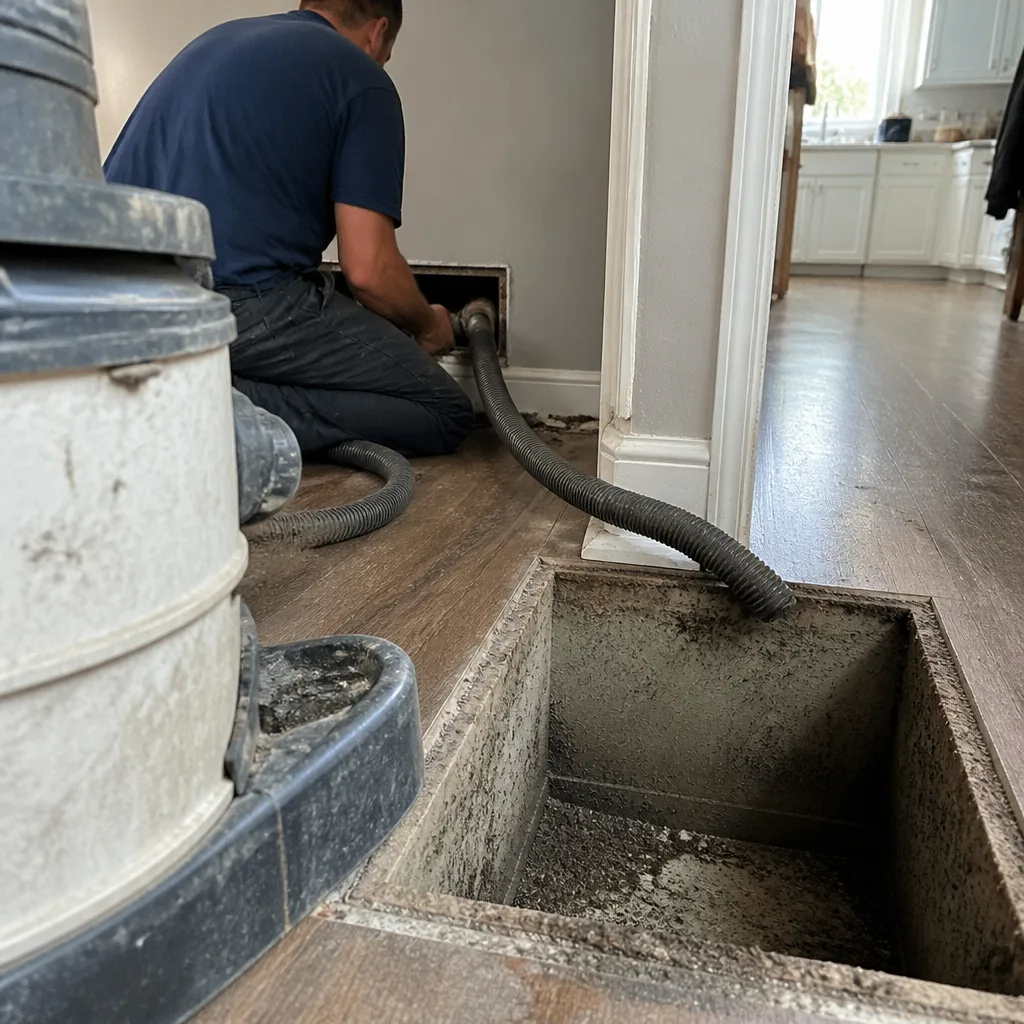 Before
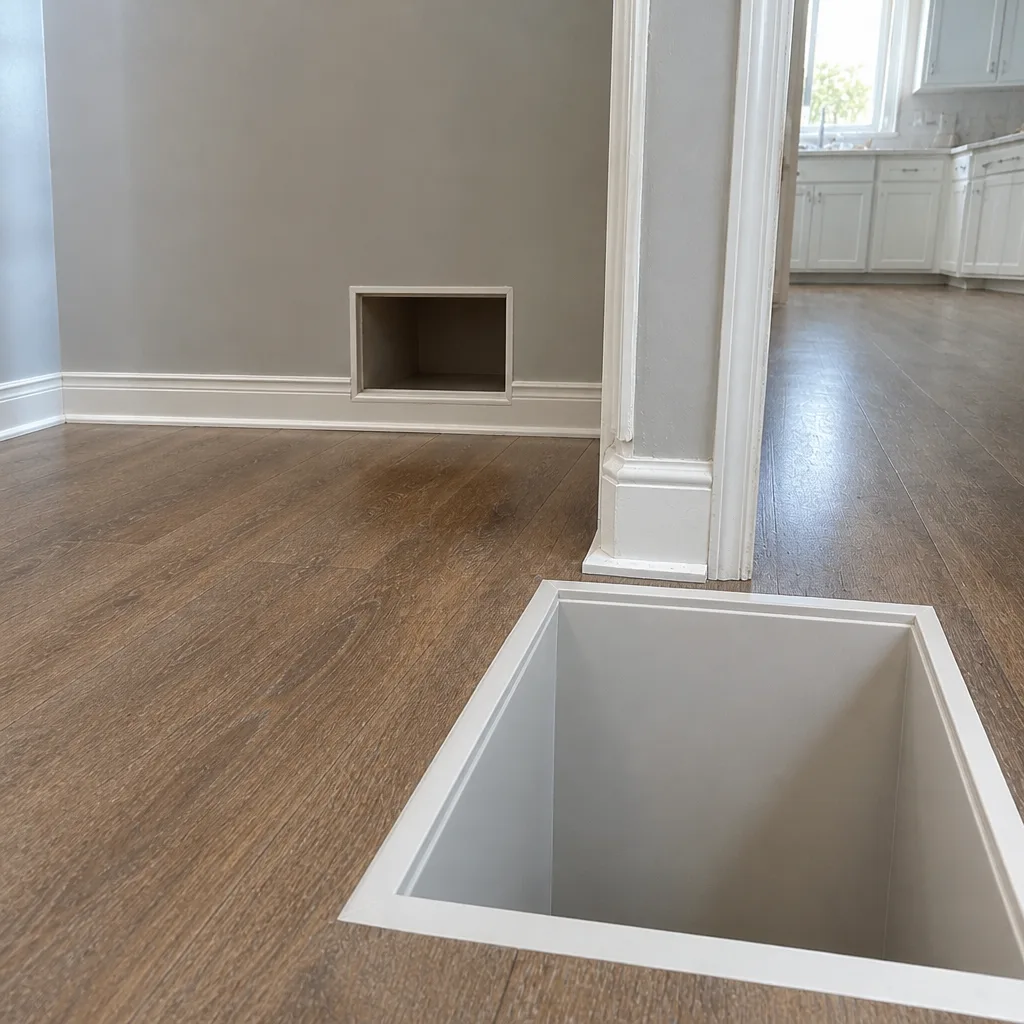 After
Frequently Asked Questions
Most Louisville homes need professional air duct cleaning every 3 to 5 years, but that’s a baseline, not a fixed rule. Homes with pets, smokers, recent renovation dust, or allergy sufferers often need cleaning every 2 to 3 years, while a clean, well-filtered home with no pets can go 5 to 7 years. The right interval depends on your home’s specific conditions, and a free estimate can give you a baseline.
Low quotes often reflect a shorter visit, less equipment, and no documentation. A very low price may mean the company runs a vacuum for a short time without addressing the full system, and it may not include before-and-after photos or a written report. A proper quote should cover the whole system, not a per-vent count, and it should specify what will be cleaned and documented.
Ask for before-and-after photos of your own ducts, not stock images. A professional cleaning should include a written report with photos, a description of the system, condition notes on the ductwork, and a recommended next interval. We show the difference before we leave, because visible results are the only results that matter.
Yes. Louisville’s spring tree pollen peak and fall mold spore peak both increase the volume of particulates entering the return system. Scheduling a cleaning before those peaks, rather than during them, means the system starts the season clean and the filter can do its job without fighting an already-loaded duct network. A condition-based schedule timed around local allergy seasons gives better outcomes than a fixed calendar date.
Yes. Sealed ducts prevent outside contaminants from entering the system, which slows accumulation and stretches the interval between cleanings. A leaky duct system in an attic or crawlspace pulls in unfiltered air constantly, which shortens the interval. Because Thrive handles both cleaning and repair, a single visit can address the contamination and the source.
Duct cleaning addresses the HVAC system’s supply and return network, while dryer vent cleaning addresses the exhaust line from the dryer to the exterior. Dryer vents accumulate lint, which is a fire risk and a separate maintenance item from your HVAC ducts. If you’re scheduling duct service, it’s worth having the dryer vent checked at the same time.
Call (866) 875-5603 for an exact quote on either service. Estimates are free. We answer 24/7. Fast dispatch from 7am to 7pm, Sunday through Friday.
The Bottom Line
There’s no universal cleaning schedule that fits every home, and the “3 to 5 year” rule is an average, not a prescription. The better approach is to score your home’s conditions, schedule cleanings around Louisville’s spring pollen and fall mold peaks, keep your filter changed between visits, and address duct leaks so the system stays sealed. When you do schedule a cleaning, ask for documentation: before-and-after photos, condition notes, and a recommended next interval. That report becomes your baseline, and it’s how you know the work was actually done. If you’re not sure where your home falls on the schedule, a free estimate from Thrive Air Duct Cleaning gives you a clear starting point. We serve the Louisville area with a single-specialty focus on cleaning, repair, and dryer vent service.
Contact Thrive Air Duct Cleaning
Ready to build a maintenance schedule around your home’s actual conditions? Call Thrive Air Duct Cleaning at (866) 875-5603 for a free estimate. We answer 24/7. Fast dispatch from 7am to 7pm, Sunday through Friday. We clean it. We repair it. We clear it. Professional-grade equipment, residential pricing, and a written report that shows the difference before we leave.
Written by the team at Thrive Air Duct Cleaning.